
Amy Adams shut down Andy Samberg’s graphic SNL sketch to protect “Enchanted” young viewers
The actor says she refused a “graphic” pitch in 2008 to avoid disturbing the kids watching her new fairytale hit.
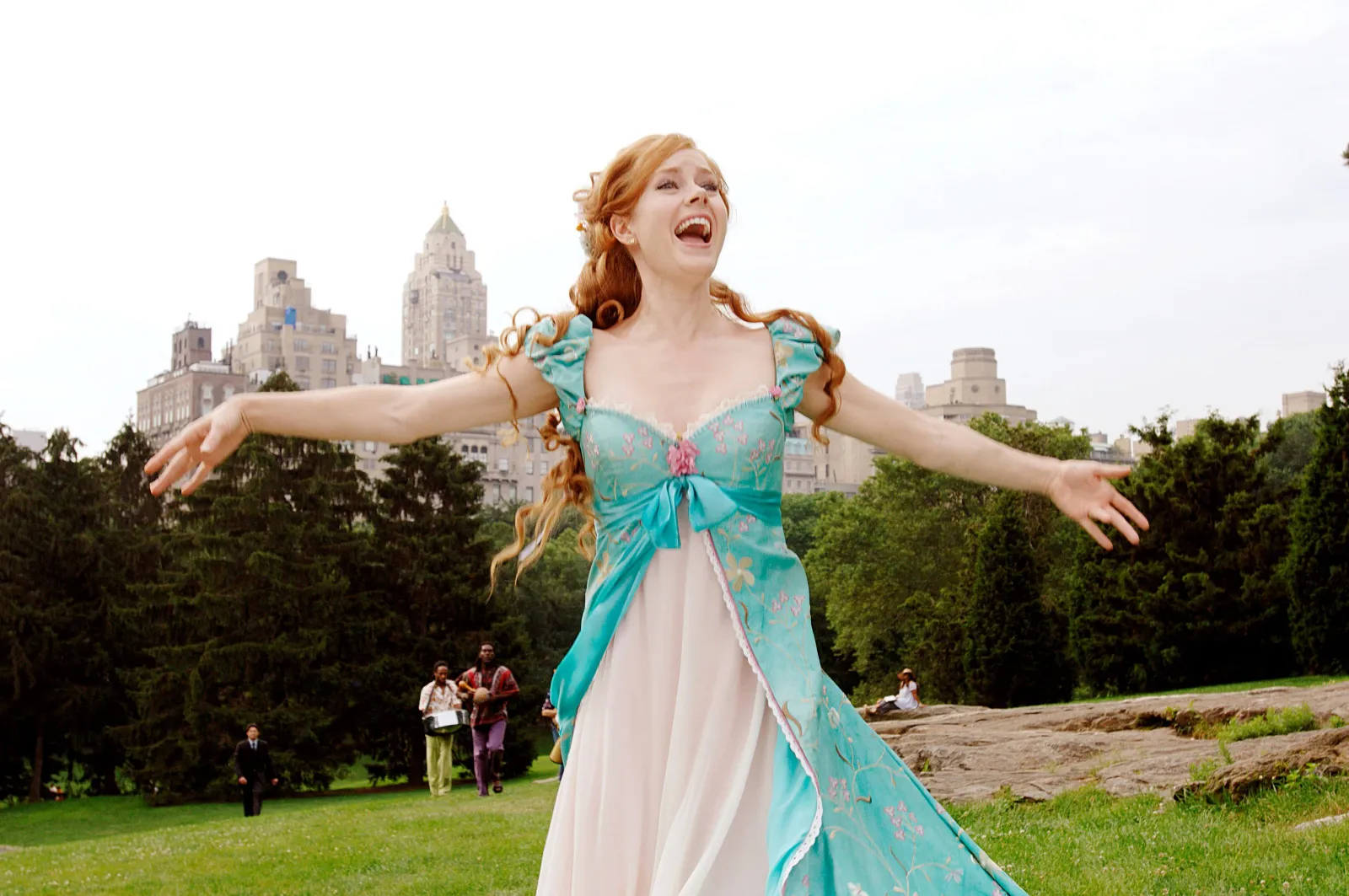
Amy Adams said on “Late Night With Seth Meyers” that in 2008, while hosting “Saturday Night Live,” she turned down a “graphic” sketch idea from Andy Samberg. Her reason: to protect young fans of “Enchanted,” released four months earlier.
Amy Adams’ “no” on “Saturday Night Live” in 2008 was not subtle. On “Late Night With Seth Meyers,” the actor said she turned down a “graphic” sketch idea from Andy Samberg while hosting, because she wanted to protect the young viewers she believed were watching her fairytale comedy, “Enchanted,” which hit theaters four months earlier.
That means the decision was not about creative disagreement or comic timing. It was about audience safety and brand responsibility in real time. Adams said she would “give you the gist without telling you...” which signals that even describing the sketch content was sensitive. The key point, though, is clear: she chose not to move forward with the “graphic” premise, even in the famously boundary-pushing environment of SNL.
To understand why this matters beyond Hollywood trivia, zoom out to how mainstream media manages risk when the audience includes kids. A family-adjacent film like “Enchanted” is built to be accessible, and that accessibility creates an expectation. If a performer invites a sketch that is “graphic,” you risk breaking the unspoken social contract with the people most likely to be in the room. Even if the show’s adult humor is meant to fly over younger heads, it only takes a few uncomfortable moments for a brand narrative to wobble.
There is also an incentives problem hiding in plain sight. SNL and its cast operate under an on-set pressure system: write fast, rehearse faster, land the joke. Comedians and writers like Andy Samberg thrive on escalation. A host, meanwhile, has incentives tied to public perception, future casting, and long-term trust. When Adams said she shut down the sketch idea, it looks like her role as the “host” came with a power to steer content away from something she believed would harm young fans.
Boards and executives across entertainment, tech, and consumer products face the same underlying question, just with different paperwork: what happens when your audience is mixed, and the content team is optimized for maximum punch? In many industries, there are formal guardrails, like ratings, content policies, and compliance review. On a live comedy stage, those guardrails can be looser. That makes performer judgment and editorial control more important. Adams’ account is essentially a reminder that governance often happens at the edges, in moments where someone can still say “no.”
This is where regulatory framing comes in, even if the source does not cite specific rules. The film world uses ratings to approximate how “graphic” or otherwise mature content should be handled. Television has standards too, but the practical reality is that live comedy can drift. When a host publicly anchors their decision around “young girls that were watching ‘Enchanted,’” it is an explicit statement about who the content should not harm. That language matters because it turns a content choice into a safeguarding rationale, which is exactly what regulators and platforms tend to look for when they evaluate the “why” behind restrictions.
Now add the second-order effect that every operator should care about: reputational risk is contagious. If a “graphic” sketch had run during a host segment tied to a family film, it could have created an impression that “Enchanted” was less wholesome than marketed. That is not just a PR issue. It can influence partnerships, advertising deals, and future audience trust, which in turn affects revenue. In other words, the sketch might have been funny, but it could have been expensive in ways you do not immediately see on the live broadcast.
Adams’ comment also highlights how collaboration can work when priorities collide. SNL is collaborative. Writers pitch. Performers improvise. But her description frames a clear boundary. She turned down a “graphic” idea from Samberg. That tells you there was enough trust for her to intervene, and enough reason to do so immediately. Executives in any creative business know this pattern: the best teams do not pretend everyone wants the same thing. They build decision points where values can override pure momentum.
Finally, the strategic stakes for peers are straightforward. If you lead a brand that attracts young or mixed-age audiences, you need content governance that travels with the product. Ratings and marketing are not the only layers. Adams’ story shows that safeguarding can be a real-time editorial function, executed by the person closest to the moment. That is a governance lesson, whether you run a studio, a media platform, or a consumer app: when the audience includes children, the “joke” question is never only creative. It is also ethical, reputational, and operational.
This story's Key Insights and Take-aways are locked.
Create a free account to unlock Executive Actions for one credit.
Register to UnlockAlways free for Executives Club members. Join the Club
More in Entertainment

Olivia Rodrigo’s third album blasts past Spotify’s all-female first-day streaming record
Billions Club era hits a new peak: Spotify and Amazon cite top single-day and 24-hour global debuts after June 12.
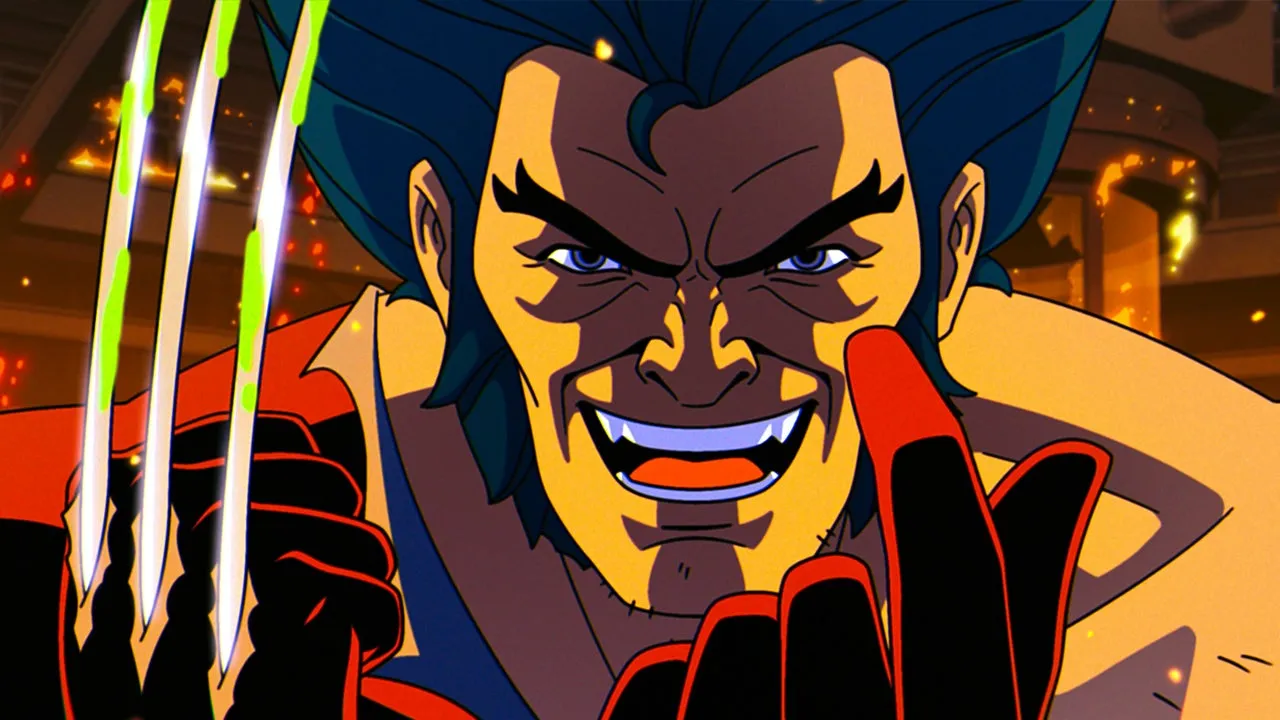
X-Men '97 Season 2 opens July 1 with Apocalypse time-splits and sharper character stakes
IGN’s spoiler-free first four-episode review shows how Season 2 builds a darker status quo across three timelines.

Lil Uzi Vert teases new album at Summer Smash 2026 after a 45-minute sprint
They arrive late, run an unreleased set, and still end night one with “New album on the way.”