
X-Men '97 Season 2 opens July 1 with Apocalypse time-splits and sharper character stakes
IGN’s spoiler-free first four-episode review shows how Season 2 builds a darker status quo across three timelines.
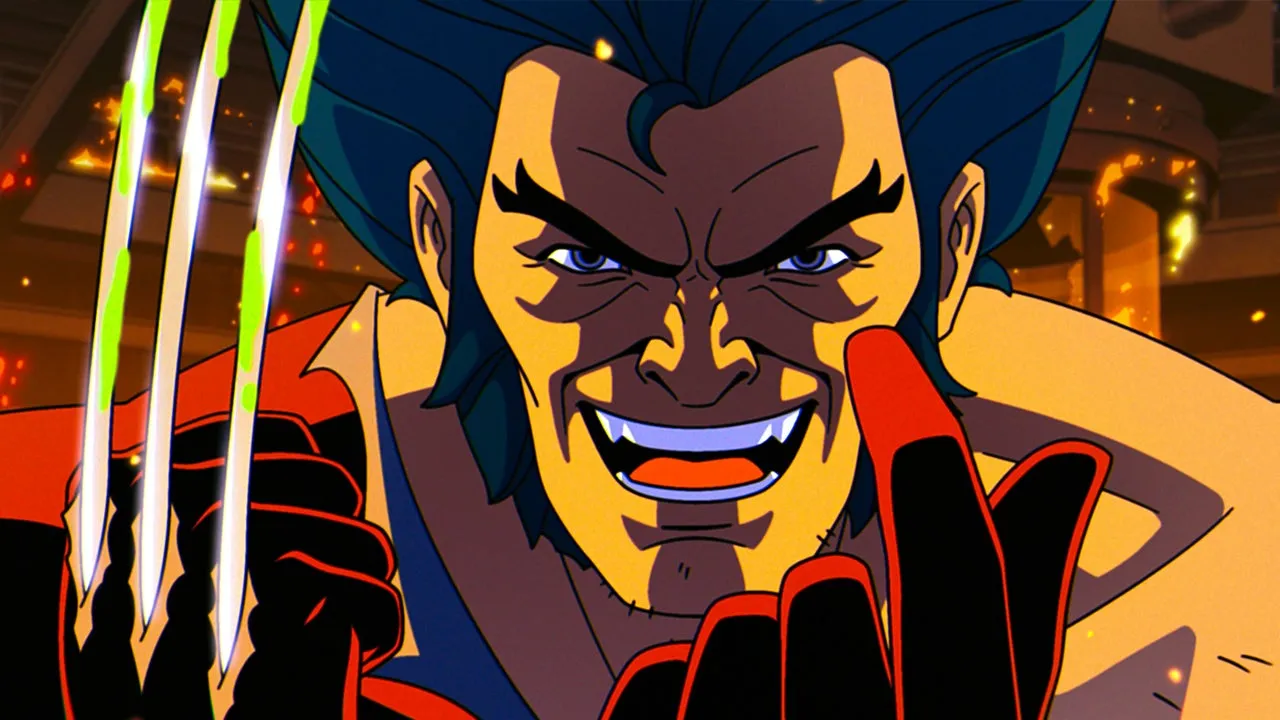
X-Men '97 Season 2 premieres on Disney+ on July 1, and IGN’s spoiler-free review praises the first four episodes for escalating the Apocalypse-driven conflicts. For decision-makers, the real takeaway is how the series manages complex narrative load while still deepening character-driven momentum.
X-Men '97 Season 2 premieres on Disney+ on July 1, and the first four episodes immediately confirm what fans of Season 1 have been waiting for: a darker, more foreboding status quo that moves fast without losing its emotional center. IGN frames the gap between seasons as a potential risk, but argues it “doesn’t suffer one bit” because Season 2 builds directly off the fallout of Season 1 and establishes its new “overarching conflict” and main villain quickly.
The key operational trick is also the biggest plot lever. As IGN explains, Season 2 is divided along three parallel points in time, all tied to the tyrannical villain Apocalypse, voiced in different eras by Ross Marquand and Adetokumboh M'Cormack. Half the X-Men are dragged into the future, where Apocalypse reigns over mankind and the nomadic Clan Askani is the only resistance left. The other half lands in Ancient Egypt, when Apocalypse is still a young mutant waging war on Rama-Tut (John de Lancie). The show then threads those twin conflicts together through a “haphazard band” of mutant heroes including Bishop (Isaac Robinson-Smith), Forge (Gil Birmingham), Jubilee (Holly Chou), and Cable (Chris Potter), all while tackling the ever-present human/mutant coexistence question.
From a business lens, this is basically narrative portfolio management: multiple storylines running at once, but not all of them are asked to carry the same weight in every episode. IGN says the writers avoid the mistake of “keeping all these plates spinning simultaneously” by dedicating story space to each character group across its own dedicated episode (or episodes). That structure keeps pacing brisk, but it also gives each conflict room to breathe. The result is a series that stays thrilling while still investing in character drama. It is the difference between shipping a lot of content and shipping content that users care about.
Still, IGN flags a familiar pressure point for long-running franchise adaptations: when you have momentum, you can also outpace the material. They compare the pacing downside to Season 1, where the series sometimes “blew through classic X-Men source material in the span of a single episode.” Examples cited include “Fire Made Flesh,” which gave a stripped-down version of Inferno, and “Remember It,” which abruptly cut short fascinating potential on Genosha. In Season 2, IGN notes a similar feeling in “particularly in Episode 1,” where the show seems “still pushing forward a little too rapidly” and not giving the material full breathing room.
But the review’s core argument is that the series is still earning its speed because it leans into what X-Men '97 does best: making you care. IGN emphasizes that, beneath the time travel spectacle and colorful comic-book trappings, the series is “really concerned with the very real and personal struggles” of its heroes. Cyclops (Ray Chase) and Jean Grey (Jennifer Hale) have reunited with their time-displaced son Nathan (Michael Johnston), raising a clean, high-stakes parenting versus world responsibility tension. Jubilee’s arc intersects with Cable’s war, forcing the question of how much she is willing to compromise for survival of her people. And at the center, Professor Xavier (Marquand) and Magneto (Matthew Waterson) are pulled into another ideological collision, this time over the fate of the man who will become Apocalypse.
If there is a standout “momentum engine” in these episodes, IGN points directly at the Xavier/Magneto storyline. It becomes the highlight of the early run, with Xavier, Magneto, and also Rogue (Lenore Zann), Beast (George Buza), and Nightcrawler (Adrian Hough) stranded in the past amid En Sabah Nur’s first great war. IGN says the series thrives here because it explores Magneto’s “complex moral code and worldview” and avoids a simple villain label. Magneto is not described as a villain in the strict sense; instead, the show widens the gulf between his actions and those of his old friend. By setting part of the series during Apocalypse’s early years, the show also has room to portray Apocalypse as still “malleable” and capable of great good, before the tyrant identity locks in. This is the kind of character work that, in franchise terms, reduces downstream risk. When audiences understand the people, the timeline gymnastics feel like drama, not distraction.
IGN also credits the Cable/Jubilee storyline as a “surprisingly entertaining” palate cleanser. It is fun, sure, but it also spotlights how grim 1997 has become after Bastion and Operation: Zero Tolerance, which is framed as “hardly the end of mutantkind’s woes.” The review notes that this material leans into more “colorful trappings” of the '90s X-Men milieu and helps flesh out characters that were previously more “glorified cameos” in the original series. But it also admits tradeoffs: Morph (J. P. Karliak) and Nightcrawler are underutilized, Rama-Tut receives far less focus than his devilishly voiced setup suggests, and Wolverine (Cal Dodd) remains a lower priority. For executives and creative leads, that is the recurring resource allocation issue: every additional main character you elevate is a character you might sideline.
Finally, the review ties all of this back to production execution. Visually and sonically, IGN says the series modernizes the original with “fluid, colorful, and dynamic” animation, plus extra variety in costumes and environments because of the new eras. They call out an especially impressive action scene early in Episode 1 that uses fog and ethereal lighting, and they note Episode 4 reminds viewers how massive the scope can get. The voice cast is also described as impressive, with veterans like Dodd, Buza, and Zann alongside replacements like Chase and Hale. Waterson is highlighted as an MVP for Magneto’s grandiose dialogue, and de Lancie is praised as Rama-Tut, even if the villain voice work overall leaves some ambivalence. IGN says Ross Marquand’s evolved Apocalypse does not quite capture the booming menace of John Colicos from the original animated series, though it suggests the role may settle as the season continues.
For peers watching what is likely to be a high-visibility streaming release, the strategic stakes are straightforward: Season 2 has to keep audiences loyal through both narrative complexity and franchise expectations. IGN’s spoiler-free take suggests it is doing that by structuring three timelines cleanly, escalating Apocalypse to a clear central threat, and still spending screen time on relationships that drive stakes beyond the plot. In other words, it is not just faster. It is sharper.
This story's Key Insights and Take-aways are locked.
Create a free account to unlock Executive Actions for one credit.
Register to UnlockAlways free for Executives Club members. Join the Club
More in Entertainment

Olivia Rodrigo’s third album blasts past Spotify’s all-female first-day streaming record
Billions Club era hits a new peak: Spotify and Amazon cite top single-day and 24-hour global debuts after June 12.

Amy Adams shut down Andy Samberg’s graphic SNL sketch to protect “Enchanted” young viewers
The actor says she refused a “graphic” pitch in 2008 to avoid disturbing the kids watching her new fairytale hit.

Lil Uzi Vert teases new album at Summer Smash 2026 after a 45-minute sprint
They arrive late, run an unreleased set, and still end night one with “New album on the way.”