
Android 17 launches on Pixel today, adds Gemini Intelligence and tightens app privacy defaults
Here’s what changes on day one, what arrives later on other brands, and why the privacy switch matters.
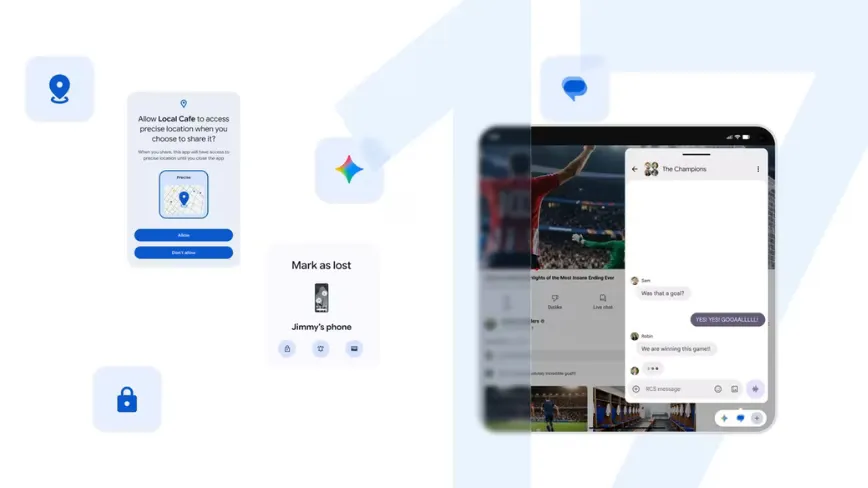
Google is rolling out Android 17 to Pixel devices starting today, bringing multitasking tools, a dedicated foldable gaming mode, and Gemini Intelligence, plus privacy changes that limit default data collection by apps. Decision-makers at phone makers, app platforms, and ad-tech businesses need to plan for a slower path to data access as the rollout expands through 2026.
Google is rolling out Android 17 to Pixel devices starting today, and it is not just a routine OS bump. The update includes Gemini Intelligence, multitasking tools, and a dedicated foldable gaming mode. It also introduces a set of privacy changes designed to limit how much data apps can collect by default. In other words: new capability in the front pocket, and a tighter permission leash in the back.
This matters immediately for the companies that build experiences on top of Android. The first wave goes to Pixel phones today, and then expands to devices from Samsung, OnePlus, and other manufacturers throughout 2026. That timing creates a real planning window. Developers and platform stakeholders can’t treat Android 17 like a background patch because privacy default changes can alter user data flows, app behavior, and measurement. Even if the headline features the fun stuff, the privacy switch is the part that reshapes incentives across the ecosystem.
Zoom out for a second, because privacy settings are rarely “just settings.” When an operating system limits how much data apps can collect by default, it effectively raises the bar for apps that rely on broad data access. Some teams will respond by building better on-device experiences, shifting to more explicit user permissions, or redesigning how they request access. Others will need to re-check how their products work when certain categories of data are not available unless users opt in. That is a second-order effect that can ripple into analytics accuracy, attribution models, and even product surfaces that were built around assumptions about what data would be accessible from the start.
And then there is the foldables story, which is where Android 17 gets interesting for a different reason. A dedicated foldable gaming mode signals that Google is treating foldable devices as more than a novelty form factor. Foldables behave differently than traditional slab phones, especially around screen real estate, transitions, and user input patterns. By adding a mode built for foldable gaming, Google is pushing the ecosystem toward device-aware performance and gameplay experiences. If you are a game studio or an app developer, you now have a platform-level feature that may encourage more optimization work for foldable hardware, not just responsive layouts.
The update’s multitasking tools also point to another consistent OS priority: helping users do more without forcing them into constant context switching. Multitasking changes tend to influence everything from app session design to notification strategy and battery impact tradeoffs. When an OS offers better multitasking, developers may update their flows to keep users inside their experiences longer. That can improve engagement, but it also raises expectations. Users notice when multitasking feels smooth and intentional, and they leave when it feels chaotic.
Gemini Intelligence is the other headline item, and it is positioned as a core capability inside Android 17 rather than a separate feature that users have to hunt for. That matters strategically because intelligence features live or die by integration. The better the OS makes it accessible, the more likely it becomes a default interaction style. For decision-makers, the key question becomes: how quickly will Gemini Intelligence drive new app and device usage patterns, and how will those patterns interact with privacy constraints that limit default data collection?
Google’s rollout plan also has an operational implication: Pixel first, then broader expansion to Samsung, OnePlus, and other manufacturers throughout 2026. This staggered path is typical for major Android updates, but the privacy changes make it more consequential. Different device makers and custom UI layers can affect how quickly features land and how consistent user experiences are. For businesses with cross-brand strategies, that can mean maintaining parallel compatibility plans for longer than usual. For the boardroom, it means you should treat Android 17 as an ecosystem shift, not a single-vendor release.
So where does this leave executives and investors? If you are building apps, running ad measurement, or powering device services, Android 17 is a signal that the platform is moving on two fronts at once: more intelligence and better device-specific experiences, while simultaneously tightening default privacy behavior. The companies that plan early for both changes will have smoother launches. The ones that wait will feel it later, when user data access is different than it used to be, and when foldable and multitasking experiences raise the bar for what “normal” feels like on mobile.
This story's Key Insights and Take-aways are locked.
Create a free account to unlock Executive Actions for one credit.
Register to UnlockAlways free for Executives Club members. Join the Club
More in Technology

Nvidia's $89B data center quarter: the 9 companies cashing in
The AI buildout is minting fortunes beyond GPUs, and memory, cloud, and cooling suppliers are riding the same wave.
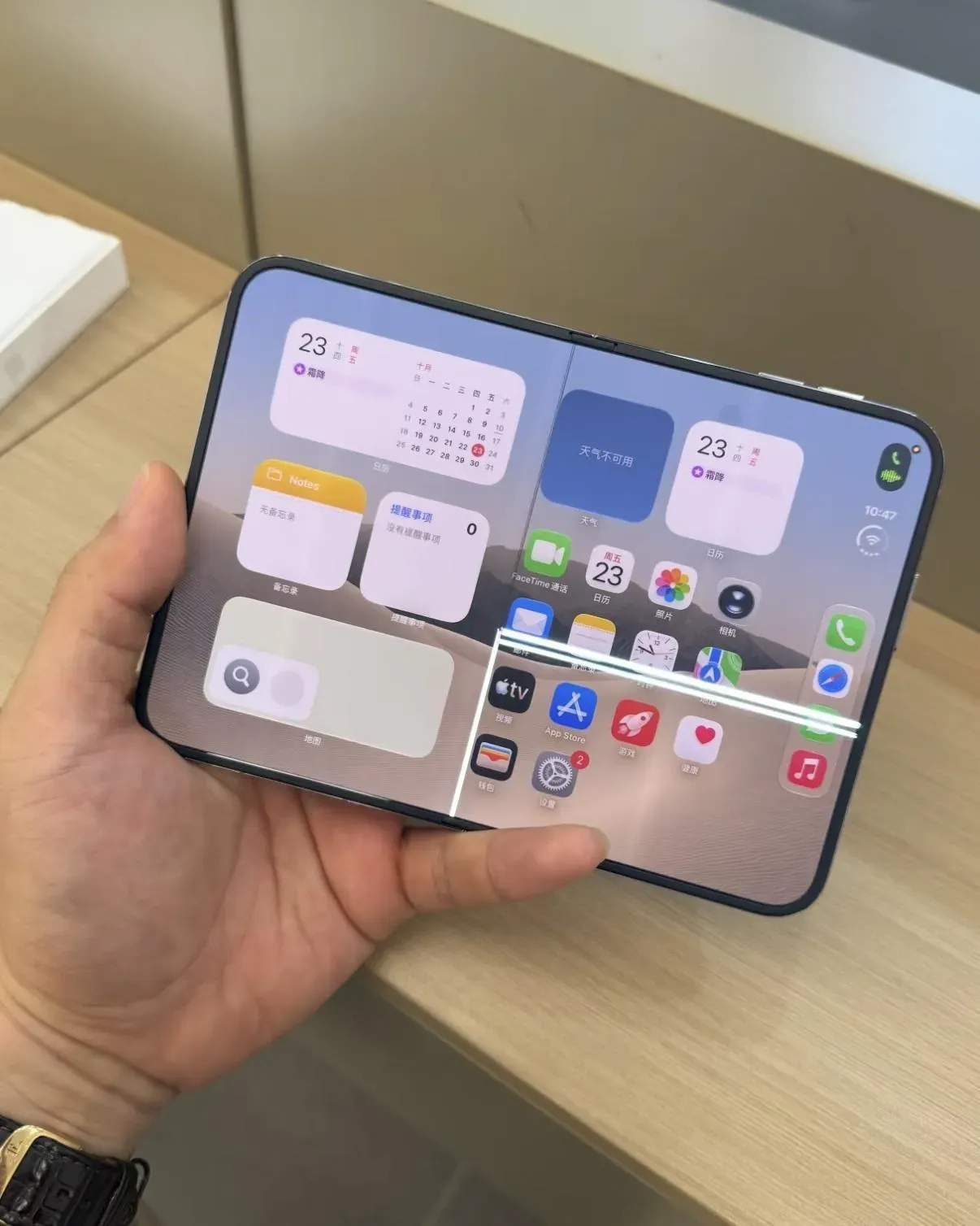
A YouTuber dissected the iPhone Duo and thinks he found crackgate's cause
CuriousHagi's teardown of Apple's foldable reveals a gear-like hinge that may explain why screens crack in the same spot within hours.

Google quietly links your phone number to every Android account on your SIM
Adding a SIM now ties your phone number to all Google accounts - and future accounts inherit it. Here's the security and privacy stakes.