
Andy Burnham slashes UK pub business rates 20% in England, pushing a third relief in 3 days
The Labour leader’s latest cost-of-living move cuts business rates for pubs, clubs, and live venues, aiming to steady high streets.
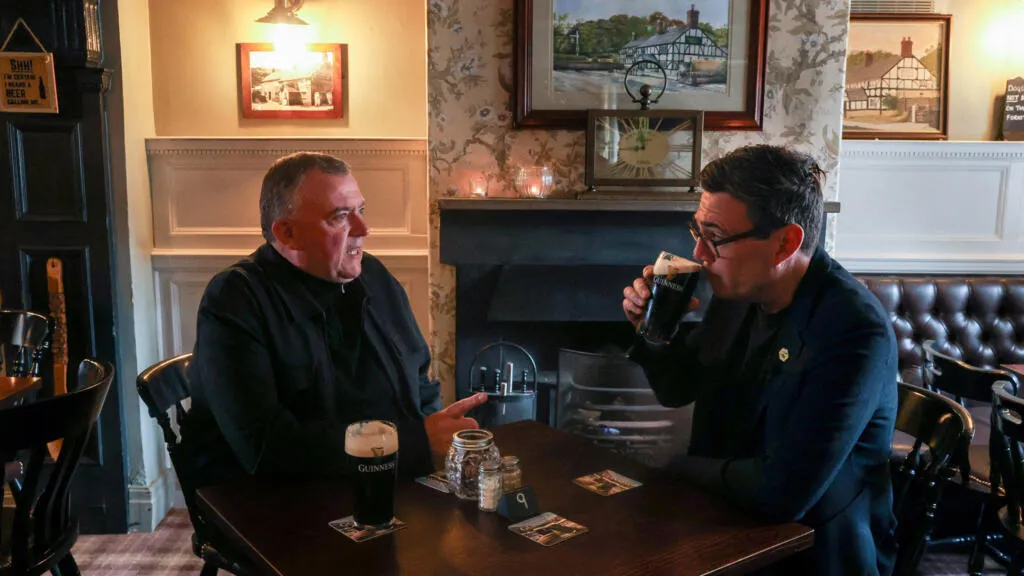
UK Prime Minister Andy Burnham announced a 20% cut to business rates for pubs, clubs, and live music venues in England on Thursday. For decision-makers, the immediate effect is lower operating costs, and the broader signal is a new pace of consumer-facing support measures.
Andy Burnham, the UK’s Prime Minister, announced a 20% cut to business rates for pubs, clubs, and live music venues in England on Thursday. It is his third major cost-of-living measure in just three days. Translation: this is not a slow-burn policy tweak. It is a rapid series of interventions aimed at keeping pressure off struggling high streets and, just as importantly, giving parts of the local economy a breathing window.
For operators and boards, the headline number matters because business rates are one of the more stubborn fixed costs in retail and leisure. When you own or lease a venue, your payroll and inventory swing with demand, but the tax bill often does not. A 20% cut reduces that overhead, which can directly influence whether a venue can absorb quieter trading periods, invest in upgrades, or avoid tough tradeoffs like reducing opening hours. And because this is specifically targeted at pubs, clubs, and live music venues, the policy is acknowledging that these categories tend to be hit early in cost-of-living stress and footfall declines.
This announcement also lands in a meaningful political and economic rhythm. The source frames the move as part of Burnham’s effort, as the new Labour leader, to revive the economy and support high streets. In practical terms, “high street support” tends to be more than symbolism. It can be a way to preserve employment at street-level businesses and stabilize communities that rely on local spending loops. If footfall is down, these businesses feel it quickly; if they can hold on through the downturn, they are more likely to rebound when conditions improve.
There is another reason this series matters: speed changes how the market thinks. A single policy release gives businesses time to wait and see. A third major measure in three days creates an expectation of continued momentum, which can affect planning decisions right now, not later. Executives often have to decide quickly on things like staffing levels for peak weeks, the timing of promotions, and whether to push forward with renovations or marketing. Even without additional details in the source beyond the 20% cut for specific venue types, the cadence itself signals the government is prioritizing cost relief.
From a regulatory perspective, the focus on “business rates” is important. In the UK context, business rates are a property-linked tax, administered through local systems, and often discussed as part of the broader tax-and-spend debate affecting commercial real estate. Businesses do not control the underlying valuation mechanics from day to day, which makes reductions a direct lever on cash flow. For hospitality and live entertainment operators, cash flow is the difference between “survive a bad month” and “make structural changes like staff reductions or closures.” In that sense, a business-rate cut is a more immediate operational input than policies that take time to translate into demand.
Targeting matters too. “Pubs, clubs and live music venues” is a deliberate cluster. These are not purely restaurants; they are venues built around social activity and event calendars, where revenue is frequently seasonal and sensitive to consumer confidence. When customers cut back on discretionary spending, entertainment and social outings can be among the first categories to soften. Cutting the business rate burden for that exact set of establishments attempts to protect a revenue model that is already exposed.
Second-order implications follow quickly. If costs drop, landlords and operators can face pressure to renegotiate expectations around rent affordability, even if the source does not mention rent directly. Boards might also reassess their risk profiles for locations dependent on nightlife and events. Lower business rates could improve the resilience of venues, which can make financing and refinancing discussions easier during negotiations, because lenders and investors typically look closely at stability in fixed-cost coverage.
For executives overseeing portfolios across retail and leisure, the strategic stake is clear: governments can meaningfully reshape operating economics without changing consumer behavior overnight. A 20% reduction in business rates for a defined segment is a tangible lever. The question now is whether peers treat this as a one-off relief measure or as part of a broader package to stabilize the high street. Since this is already the third major cost-of-living intervention in three days, the likely takeaway for boards is that planning horizons are shortening and policy-driven cost changes are moving faster than many operators are used to.
This story's Key Insights and Take-aways are locked.
Create a free account to unlock Executive Actions for one credit.
Register to UnlockAlways free for Executives Club members. Join the Club
More in Politics

LA County: DOJ's 20,000 'noncitizen' voter list is 'unreliable,' includes U.S.-born
Preliminary review by Los Angeles County election officials finds errors in the federal list, raising the stakes for voter roll integrity ahead of November.

Trump's $1.5B Pentagon chip investment lands in North Carolina
A $1.5 billion defense infusion for North Carolina chipmaking signals a new era of Pentagon-backed reshoring - here's what it means for the industry.

Nigeria confirms first Ebola case in Abuja, a woman just off a Uganda flight
Health Minister Muhammad Ali Pate says the patient flew in from Uganda, putting Africa's latest outbreak on Nigeria's doorstep.