
Anthropic and OpenAI IPOs could mint tech millionaires, and nonprofits are chasing the upside
As new ultrawealthy appear, philanthropy groups are preparing for a secondary giving windfall from the next wave of listings.
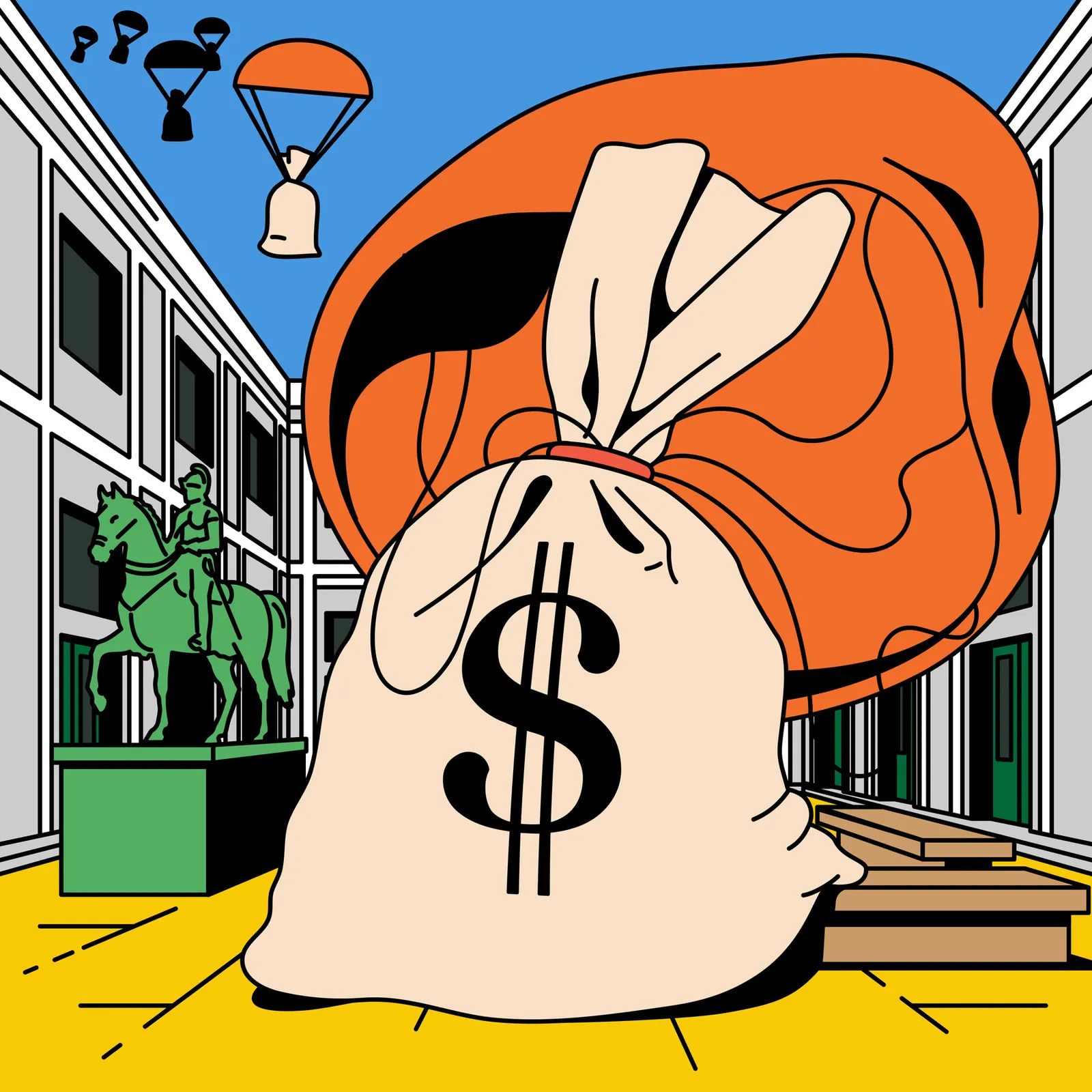
Start-ups like Anthropic and OpenAI, both preparing to go public, are drawing attention not just from investors but from nonprofits expecting a secondary giving windfall. For decision-makers, the question becomes how IPO-driven wealth transfer can reshape donation strategies and governance priorities.
As start-ups like Anthropic and OpenAI prepare to go public, nonprofits are hoping for a secondary giving windfall from the new tech ultrawealthy. Translation: the story is not only about IPO day trading headlines. It is also about what happens after the liquidity event, when new paper wealth can turn into real dollars for charitable work.
That angle matters because the “ultrawealthy” created by blockbuster listings tend to be concentrated, fast. When companies reach the point of going public, they often have founders, early investors, and employees whose stakes become liquid. Nonprofits are essentially positioning themselves to be the recipients of that newly available capacity to give, once the initial market shock settles and giving plans can be executed.
To understand why nonprofits are bullish, it helps to know what secondary giving means in this context. These are not only the early fundraising cycles when companies were private and philanthropists were building relationships. “Secondary” giving is the wave that follows major equity events, like IPOs, when people who never had this level of liquid capital suddenly do. For many organizations, timing is everything. Their budgets, grants, and program expansions often require confidence about how donors will behave after wealth increases.
There is also a governance and incentive dimension that boards and senior leaders should notice, even if they are not running a nonprofit. When a company is heading toward a liquidity event, the people around it move into a different mindset. Wealth becomes measurable in shares and options, and financial planning becomes urgent. That urgency can spill over into how founders think about legacy, how employee benefits and stakeholder relationships are framed, and how directors anticipate reputation and expectations.
At the same time, the public-market pathway changes the “communication surface area” for anything related to giving. Nonprofits are typically trying to align their needs with donors' timelines, but founders and major holders also need to consider privacy, disclosure rules, and internal compliance. In other words, even when giving is motivated by impact, the logistics are influenced by the mechanics of going public. The closer a company gets to an IPO, the more structured and scrutinized every major financial move can become.
Regulatory background also sits quietly underneath this story. IPOs bring increased oversight, and the U.S. legal environment around reporting and material information is built for transparency when companies sell shares to the public. That does not automatically dictate donor behavior, but it does influence the ecosystem around equity holders. When people hold large stakes, their financial planning and charitable strategies often have to be aligned with what they can safely announce, what they should document, and what they can implement without creating governance complications.
The second-order implication is that the philanthropic landscape can change faster than many organizations expect. If startups like Anthropic and OpenAI generate a new set of highly liquid donors, nonprofits may see more than one-off checks. They could attract larger commitments, new scholarship and research funds, and faster-moving partnerships, because new wealth can underwrite multi-year plans. Executives at nonprofits will likely treat the IPO cycle like a fundraising season with a clear arrival date.
For peers in tech, the stake is slightly different but equally real. If you are a founder, investor, or operator watching the next wave of listings, you are watching a redistribution of capital, not just a redistribution of ownership. That redistribution can redefine who gets resources, which causes gain visibility, and how quickly reputations convert into measurable support. Meanwhile, boards and finance leaders should recognize that an IPO can create “post-event” expectations, including expectations around how new wealth might be deployed. Even without inventing motives or outcomes, the structure of the market makes this trend plausible and worth planning for.
In short, the story here is double-layered: Anthropic and OpenAI are preparing to go public, and nonprofits are preparing to catch the secondary giving windfall from the resulting ultrawealthy. If you run a company, raise capital, allocate resources, or lead an institution that depends on donor confidence, the moment to pay attention is before the first trading bell, not after.
This story's Key Insights and Take-aways are locked.
Create a free account to unlock Executive Actions for one credit.
Register to UnlockAlways free for Executives Club members. Join the Club
More in Business

Anthropic’s Levant Alpöge cracks the Jacobian conjecture after 87 years
A Harvard valedictorian used Claude to hit a 1939 breakthrough, but the missing “why” is the real problem.

Uber buys Delivery Hero for nearly $15B, vaulting to top food delivery outside China
The deal doubles Uber's dual-services footprint and pushes a ride-and-eats bundling play into 50 more markets.

Epic and Google drop settlement bid, forcing rival Android app stores by July 22
Google told the court it is ready to carry third-party app stores starting Wednesday, July 22.