

Anthropic's revenue surge ahead of IPO meets AI spending fears
The AI lab is touting growth to investors even as the industry's infrastructure bill sparks fresh unease. Here's what the debut signals for the capex supercycle.
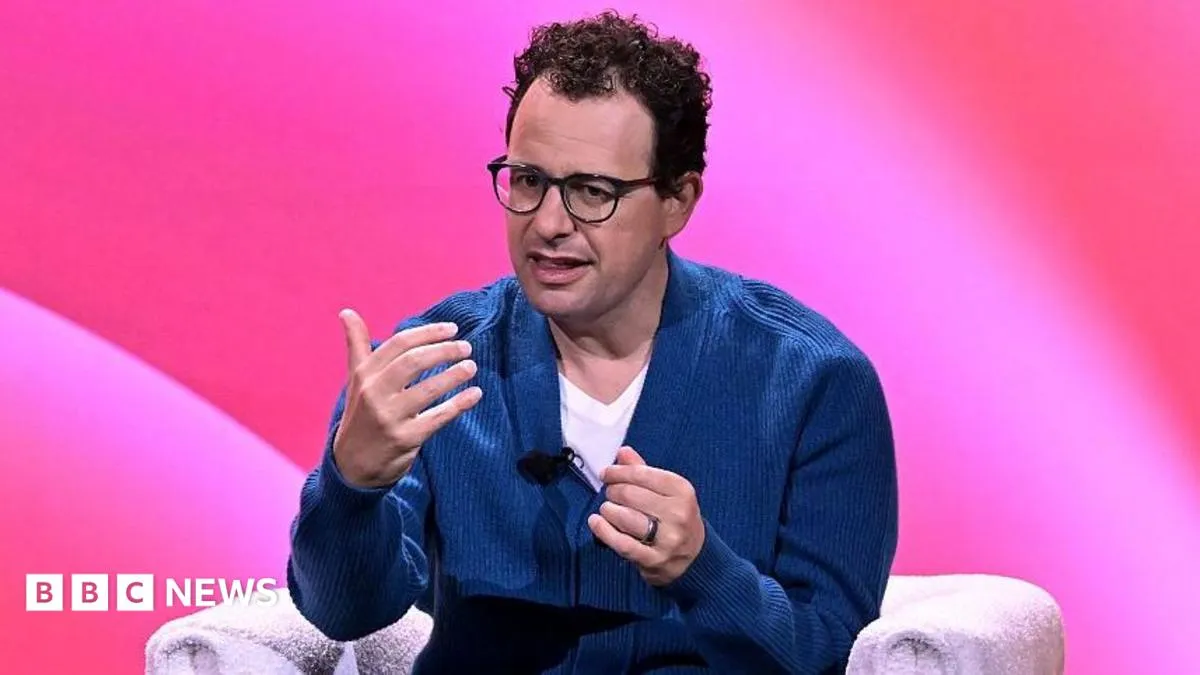
Anthropic has flagged a surge in revenue to investors as it prepares for a stock market debut, even as concerns mount over the scale of AI infrastructure spending. For decision-makers, the move highlights the widening gap between AI's revenue potential and its enormous capital costs.
Anthropic has flagged a surge in revenue to investors as it prepares for a stock market debut, a move that lands at a delicate moment for the AI industry. The company, one of the most closely watched AI labs, is signaling that its commercial traction is accelerating, even as a growing number of investors question whether the massive sums being poured into AI infrastructure will ever pay off.
The timing is no accident. Anthropic's revenue surge is a direct counterpoint to the bear case that AI is all cost and no return. By putting growth numbers in front of investors ahead of its debut, the company is trying to frame itself as a business with real demand, not just a research project with a big burn rate. But the same investors who want to see revenue also want to see a path to profitability, and that is where the tension sharpens.
The concern about AI infrastructure spending is not new, but it has grown louder. Across the industry, the cost of building and operating AI systems, including data centers, specialized chips, energy, and cooling, has ballooned. The largest cloud providers and tech giants have been committing tens of billions of dollars annually to AI capacity, and some investors are starting to ask when those investments will generate returns that justify the outlays. Anthropic, which relies on massive compute resources to train and run its models, is squarely in the middle of that spending wave.
Anthropic's position is unique. Backed by Amazon and Google, the company has had access to substantial capital and compute. Its Claude models have carved out a strong reputation in enterprise and consumer applications, and the revenue surge suggests that customers are willing to pay for AI that is reliable, safe, and useful. That is a meaningful signal for the broader market: it suggests that AI can be a real revenue generator, not just a cost center.
But the revenue surge also raises the stakes for the company's eventual debut. Public investors will scrutinize not just growth, but margins, customer concentration, and the durability of demand. Anthropic will need to show that its revenue can scale faster than its costs, a challenge that has tripped up many high-growth tech companies before it. The company's ability to manage that narrative will be a key test for its valuation.
For other AI companies and their boards, Anthropic's move is a case study in how to navigate the capital-intensive phase of AI. The message is clear: revenue growth alone is no longer enough. Investors are increasingly focused on capital efficiency, and they want to see a credible path to profitability. That shift is likely to affect how AI startups approach fundraising, how they allocate capital, and how they communicate with their investors.
The broader implication is that the AI infrastructure spending spree is entering a new phase. The early days of the AI boom were marked by a land-grab mentality, where the priority was to build capacity and win market share. Now, with revenue data starting to emerge, the market is beginning to price in the question of whether that spending will create durable value. Anthropic's revenue surge is a positive data point, but it does not resolve the industry's central question: can AI's revenue curve outrun its cost curve?
For executives and investors watching from the sidelines, Anthropic's stock market debut will be a bellwether. If the company can convince public markets that its growth justifies its spending, it could open the door for other AI pure-plays. If not, it could accelerate the reckoning already underway. Either way, the revenue surge is a reminder that in AI, the gap between promise and profit is still the most important number to watch.
This story's Key Insights and Take-aways are locked.
Create a free account to unlock Executive Actions for one credit.
Register to UnlockAlways free for Executives Club members. Join the Club
More in Business

Elon Musk unveils a flying car, and SpaceX helped build it
The Tesla CEO's showcase at a SpaceX facility signals a future where road and rocket engineering converge.

Apple's $2,000 iPhone Duo opens preorders, taking on Samsung and Google
Apple's first foldable hits the market at a premium price, reshaping a category Samsung and Google have led.

Pope Leo XIV, first American pope, diagnosed with lung cancer
The 71-year-old Chicago-born pontiff underwent successful surgery on his right lung, and his diagnosis raises new questions about his AI-focused papacy and the Vatican's future.