

Microsoft offers buyouts to 60,000 as AI efficiency push reshapes its workforce
The voluntary buyout offer is the clearest sign yet that Microsoft will trim headcount even as it accelerates AI infrastructure spending.
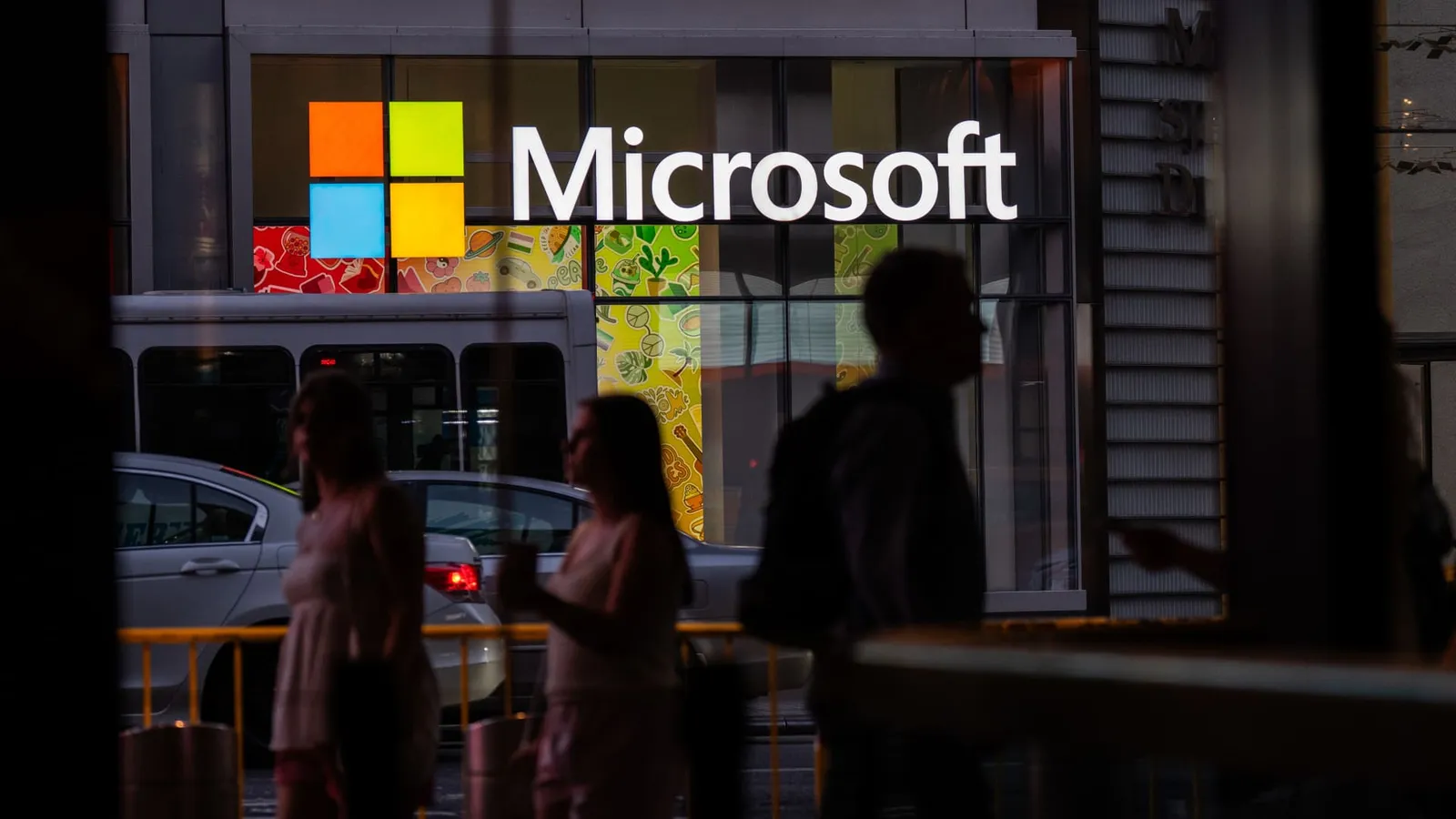
Microsoft is offering voluntary buyouts to 60,000 employees as part of an efficiency push driven by AI. The move signals that the company will prioritize capital discipline even while investing heavily in data centers and compute capacity.
Microsoft is offering voluntary buyouts to 60,000 employees, marking one of the largest restructuring signals in the company's recent history and tying the move directly to AI-driven efficiency. The buyout program is voluntary, but it does serious work: it gives Microsoft a way to shrink its cost base without the disruption, severance costs, and reputational damage of mass layoffs. At the same time, the company is making clear that AI is the reason the headcount changes are possible, as automation and AI tools reduce the need for certain roles.
The buyout is also a balance act. Microsoft is spending heavily on AI infrastructure, including data centers, chips, and cloud capacity, and that build-out is capital-intensive. By offering buyouts to 60,000 employees, Microsoft is leaning on voluntary departures to manage operating expenses while continuing to redirect capital into AI. The message to investors and to the market is that AI demands both more investment and more discipline elsewhere on the balance sheet.
For employees, the offer is conditional: it applies to 60,000 staff members, and it is voluntary. But the framing around AI does more than explain the offer. It signals that Microsoft expects its workforce to get smaller and more productive over time, with AI tools absorbing work that used to require human hands. That is a significant statement from a company that has long been one of the world's largest technology employers, and it raises the question of how far the AI-led efficiency trend can go before it redefines the standard employment model for the entire sector.
The move should also be read against the wider backdrop of the technology industry. Over the past two years, many major tech companies have linked cost-cutting programs to advances in artificial intelligence, using AI as both a justification and a tool for restructuring. Microsoft's buyout is notable because of its scale and because it comes from a company that is simultaneously investing billions into AI capacity, not scaling back on it. That combination makes the announcement a signal about how the most cash-rich players intend to operate through the AI cycle.
That dual move, spend big on AI and shrink the labor force, is one that boards and management teams across the economy will be watching closely. It suggests a model in which AI infrastructure is the priority asset, while human roles that do not add clear marginal value become candidates for voluntary exit. For CFOs and COOs, the playbook is increasingly clear: protect the AI budget, and look for efficiency everywhere else. The 60,000-employee buyout also highlights a strategic ratchet effect. Once a company signals that AI reduces the need for certain roles, it becomes harder to justify adding headcount back later, even if growth returns. That means the current restructuring is not just about today's cost base. It is setting a permanent, leaner baseline for how Microsoft thinks about hiring.
There is also a second-order effect to consider. Voluntary buyouts are often taken up by the most employable employees, people who can find outside jobs easily. If a disproportionate number of high-performing staff accept the offer, Microsoft could lose talent it wanted to keep. That is the hidden risk in any efficiency push: the people who leave are not always the ones the company would have chosen. The company will have to accept some adverse selection as the price of avoiding a more painful involuntary round, and the true test will come in the months after the buyout window closes, when managers see which teams lost their deepest bench.
Still, the direction is unmistakable. By pairing an aggressive AI build-out with a 60,000-employee buyout offer, Microsoft is placing a bet that it can do more with less. For anyone making similar decisions in their own organization, the takeaway is that AI-era efficiency is no longer just a concept. It is a workforce strategy with a very specific headcount number attached, and it is being executed right now at one of the most valuable companies in the world. The buyout also reinforces that capital efficiency is now a board-level priority, not just a finance department metric. Companies that fail to build a credible efficiency story around their AI investments may find investors are less patient with their own spending plans.
This story's Key Insights and Take-aways are locked.
Create a free account to unlock Executive Actions for one credit.
Register to UnlockAlways free for Executives Club members. Join the Club
More in Technology

Nvidia's $89B data center quarter: the 9 companies cashing in
The AI buildout is minting fortunes beyond GPUs, and memory, cloud, and cooling suppliers are riding the same wave.

A YouTuber dissected the iPhone Duo and thinks he found crackgate's cause
CuriousHagi's teardown of Apple's foldable reveals a gear-like hinge that may explain why screens crack in the same spot within hours.

Google quietly links your phone number to every Android account on your SIM
Adding a SIM now ties your phone number to all Google accounts - and future accounts inherit it. Here's the security and privacy stakes.