

Anti-Police Posts Were Meant to Sink a Socialist. They Backfired.
A political hit against a socialist in Portland has exposed the growing strength of the democratic left, with implications for city policy and business.

Democratic socialists in Portland and other cities are showing political strength after anti-police posts surfaced in an attempt to harm a socialist's re-election. The backlash has not materialized, signaling durable support for police-reform candidates in left-leaning urban centers.
The plan was simple: surface social media posts denouncing the police, feed them to the press, and watch a socialist's re-election hopes collapse. It did not work. In Portland, Ore., and in other cities where democratic socialists have taken root, the episode has become a demonstration of the movement's strength, not a funeral for it. The New York Times reports that the posts were "supposed to harm a socialist's re-election" but instead, the left is showing its muscle.
That is the core surprise. The attack line was designed to make the candidate look extreme, anti-police, and out of step with a divided city. But Portland's democratic socialists are not retreating. The fight over the future of the city is being framed in stark terms: public safety, police accountability, and who gets to define what a livable city looks like. And the movement that many assumed would be weakened by the controversy is instead emboldened.
Portland is not an isolated case. Democratic socialists have gained ground in cities across the country, often by tapping into the same energy around policing and inequality that fuels Portland's activist class. The article's point is that Portland is a bellwether. It is a city that has been a flashpoint in the national debate over policing, with large protests and a persistent activist base pushing for reimagining public safety. The surfacing of anti-police posts was meant to exploit a divide in the electorate, but it has instead revealed the depth of the base.
For executives and investors, this is not a niche political story. It is a signal about the operating environment in major cities. Companies that do business with municipalities, manage real estate, or depend on local permits and contracts are directly affected by who holds power in city hall. The resilience of democratic socialists means that policy debates over public safety, homelessness, and community investment are not going away. In fact, they may intensify. A company that assumes a moderate backlash will roll back progressive policies could be making a costly bet.
The Portland story also speaks to the broader national dynamics within the Democratic Party. The divide between the party's moderate wing and its progressive wing is playing out in cities first. When an attempt to use anti-police posts to unseat a socialist fails, it sends a message to both sides: the left's base is activated and willing to defend its own. That has implications for upcoming elections. Political strategists who think that crime concerns will crush progressive candidates may need to recalibrate.
At the same time, the article warns that Portland is deeply divided. The phrase "fight over the future" is not accidental. The city is split between those who want more police funding and those who want to invest in alternatives. The social media posts are a symptom of that divide, not the cause. What matters is that the attempt to weaponize them did not produce the intended political result. For decision-makers watching urban policy, this suggests that the narrative of a "progressive overreach" is more complicated than it appears.
The lesson for executives is straightforward: political risk in cities is not only about who wins elections, but about how movements sustain themselves between elections. Democratic socialists have built durable organizations, volunteer networks, and a base that turns out. That infrastructure is what turned a potential political hit into a show of strength. Companies that ignore this dynamic, or assume it will fade, are likely to be surprised.
In the end, the future of Portland is still being fought over. But the immediate outcome of the anti-police posts episode is clear: the socialists are not on the defensive. They are showing strength. For anyone who does business in America's cities, that is a fact worth more than a passing glance.
This story's Key Insights and Take-aways are locked.
Create a free account to unlock Executive Actions for one credit.
Register to UnlockAlways free for Executives Club members. Join the Club
More in Politics
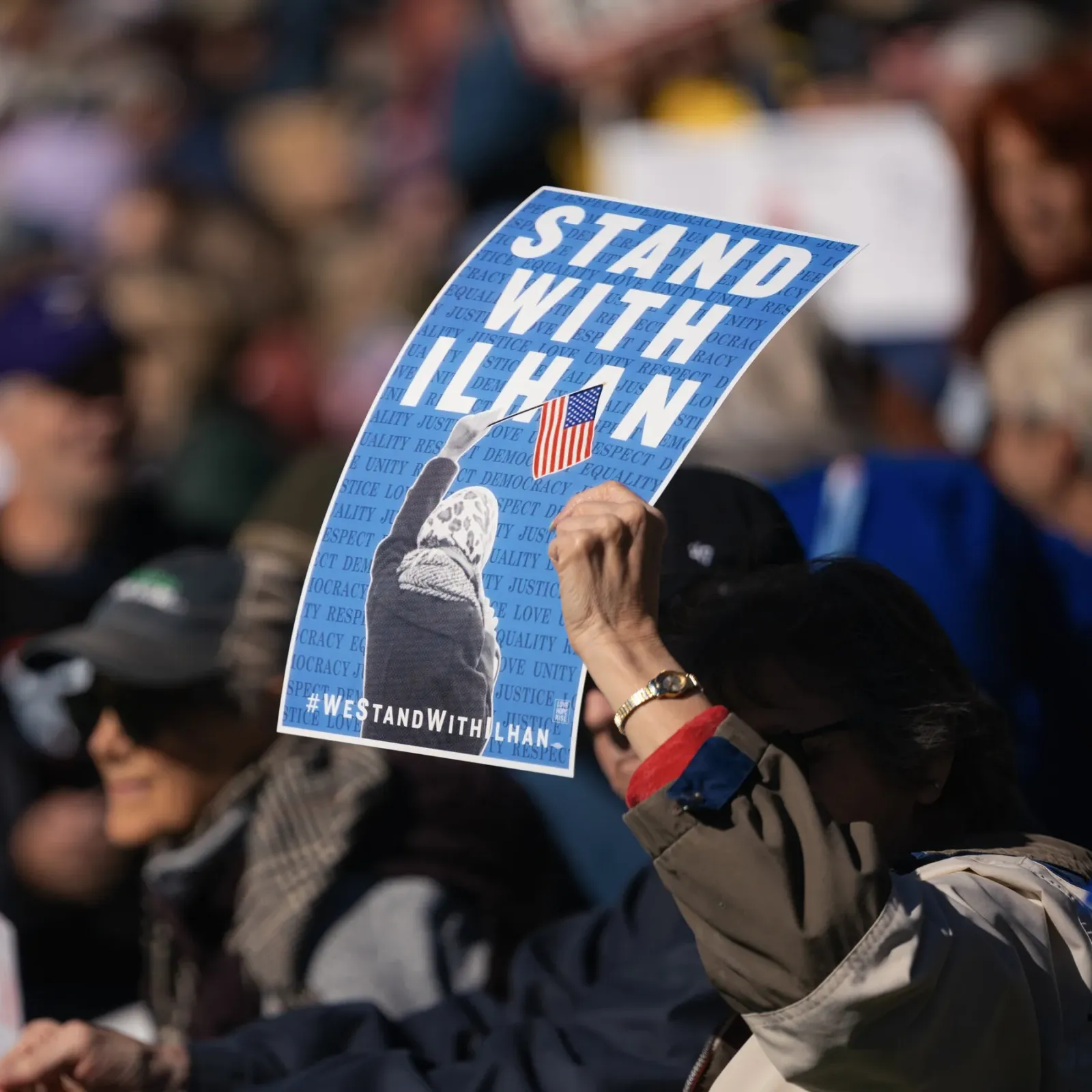
Obama Defends Ilhan Omar After Agents Search Her Home in Trump Inquiry
The former president's intervention raises the stakes in a federal probe into immigration paperwork that has put a prominent progressive lawmaker in the crosshairs.
Blair-era minister: cut welfare to fund youth job support
Alan Milburn's call for welfare cuts to fund employment support opens a Labour fight over benefits and the Neet crisis.

Hot September CPI: energy costs surge, voters feel the squeeze before midterms
The latest inflation print lands as Trump campaigns for GOP control of Congress, putting cost-of-living worries at the center of the midterm fight.