
Anya Taylor-Joy becomes elf Seren in Serkis' LOTR: The Hunt for Gollum
Seren is a

Anya Taylor-Joy joins Andy Serkis' 2027 Lord of the Rings mid-quel The Lord of the Rings: The Hunt for Gollum, playing an elf named Seren. The casting matters for decision-makers because it signals a high-profile strategy: blend star power with Tolkien-anchored lore while navigating production and continuity risks.
Andy Serkis' upcoming mid-quel The Lord of the Rings: The Hunt for Gollum just added Anya Taylor-Joy to its cast, with Taylor-Joy set to play a new character, elf Seren. This is not just another casting headline. The character is described as "a trusted and lethal agent of King Thranduil," connecting Seren directly to established Tolkien power structures rather than floating in from nowhere. In other words, the movie is trying to buy audience buy-in with star power while using lore credibility as the glue.
The rest of the ensemble also underlines how deliberate the continuity is. The cast includes Ian McKellen as Gandalf and Jamie Dornan as a replacement Aragorn. Lee Pace will return as Thranduil, again, as the king Seren serves. If you are tracking franchise value, this is the part that matters: the project is not only filling roles, it is calibrating what the audience will recognize. Gandalf and Thranduil are anchors. Aragorn gets re-centered via Dornan. Seren becomes the functional new hinge for the story, positioned as "trusted and lethal" rather than merely “new.”
Why does that distinction matter beyond fan forums? Because big fantasy IP is an operating system. When studios build these worlds, they have to manage two audiences at the same time. There are viewers who want spectacle and pacing. There are also viewers who treat lore continuity like an audit. Casting choices can be interpreted as risk signals by each group. A star like Anya Taylor-Joy lowers execution risk in the sense that it increases the likelihood of broad attention, but it also raises expectations. If Seren is “new,” the movie has to earn legitimacy fast. Rooting Seren in Tolkien lore, as described, is one way to do that.
There is also a production and continuity dimension. The source notes this is a mid-quel, which usually implies the story sits between known-era beats. That makes casting continuity a board-level concern even if the board never says the word “continuity.” You are effectively reducing the probability that long-time viewers feel whiplash. Having Lee Pace return as King Thranduil, "last seen in The Hobbit trilogy," does that work. It tells audiences that the project is not rebooting the Thranduil identity from scratch. The movie can introduce Seren as a trusted agent while keeping Thranduil’s established screen presence intact.
Then there is the Gandalf piece. The addition of Ian McKellen as Gandalf matters because Gandalf is not just a character, it is a brand within the brand. McKellen’s involvement can reduce perceived franchise drift and also helps marketing. If you are a decision-maker thinking about budgets, timelines, and stakeholder confidence, recognizable anchors like Gandalf help the internal story when you have to justify spending. They also help external messaging, because you can talk about continuity rather than just novelty.
Aragorn’s recast angle adds another layer. The source says Jamie Dornan plays a replacement Aragorn. From a risk-management perspective, recasting a major figure tests how flexible the audience will be. It also affects how other characters, like Seren, can be framed. If Aragorn is “replacement,” the film may rely more heavily on other established presences, like Gandalf and Thranduil, to keep the emotional and narrative compass stable. That, in turn, is where Seren’s role as an agent of King Thranduil becomes strategically useful. She can operate inside the Thranduil ecosystem while the film balances the transition pressure around Aragorn.
One more relevant business signal in the source: it places this casting alongside Anya Taylor-Joy’s other major franchise work. The source notes she will also play Alia Atreides in the upcoming Dune: Part Three. For executives and investors, that pairing is more than entertainment cross-pollination. Talent is a scarce resource. When a high-demand actor is booked for multiple tentpole films, it compresses scheduling and intensifies the need for tight production planning. Even without making any assumptions beyond the source, the practical implication is clear: high-profile casting can accelerate attention but also increases coordination complexity across studios and production timelines.
So, the second-order stakes are not just “will fans like Seren.” The stakes are about whether The Lord of the Rings: The Hunt for Gollum can act like a safe continuation where it should, while still delivering enough novelty to justify a mid-quel. Seren is framed as both trusted and lethal, which suggests the character is meant to move plot quickly and decisively inside Thranduil’s orbit. That is a choice. It tells you the film is aiming for momentum, not museum-tour Tolkien. For peers evaluating franchise strategy, the lesson is simple: combine star gravity with lore-anchored roles, and your new-character risk becomes a narrative asset instead of a credibility test.
This story's Key Insights and Take-aways are locked.
Create a free account to unlock Executive Actions for one credit.
Register to UnlockAlways free for Executives Club members. Join the Club
More in Entertainment
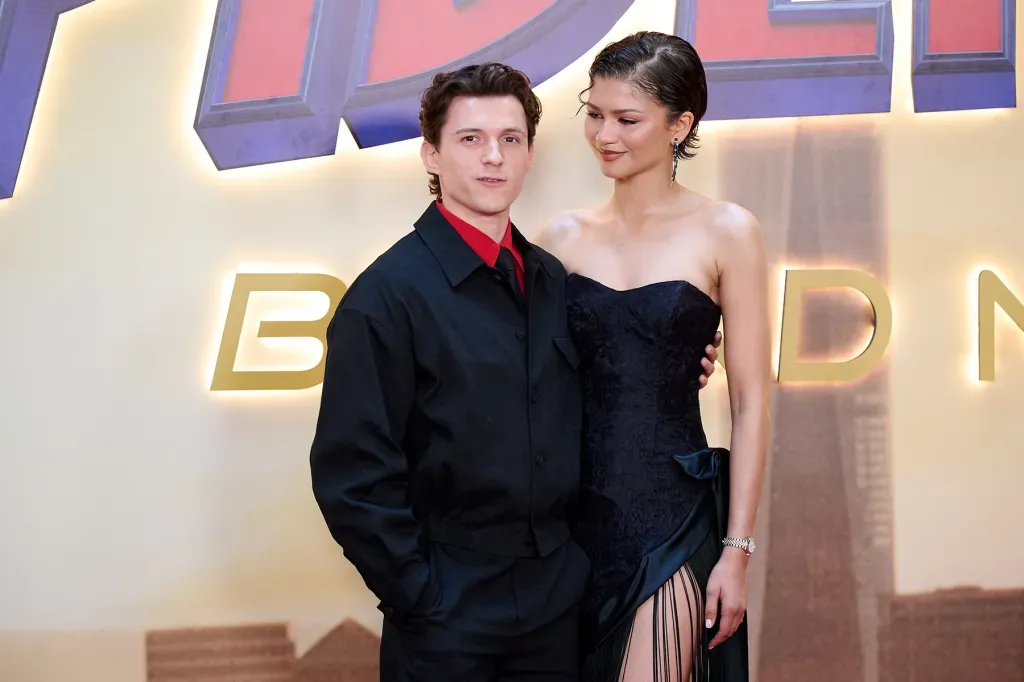
Tom Holland confirms he and Zendaya are married in Esquire cover story
The actor explains how AI wedding photos triggered real-life checks, and what he says about their relationship.

Gkids buys North America rights to Cocoon, sets Sept. 4 theater debut
A wartime anime adaptation with a Japanese island setting lands with both subtitled and English-dub theatrical screenings.

Hellraiser: Revival launches Oct. 8 to dodge the biggest release crush in gaming
A survival-horror sequel from Saber Interactive and Boss Team Games lands on PS5, PC, and Xbox Series X on Oct. 8.