
Tom Holland confirms he and Zendaya are married in Esquire cover story
The actor explains how AI wedding photos triggered real-life checks, and what he says about their relationship.
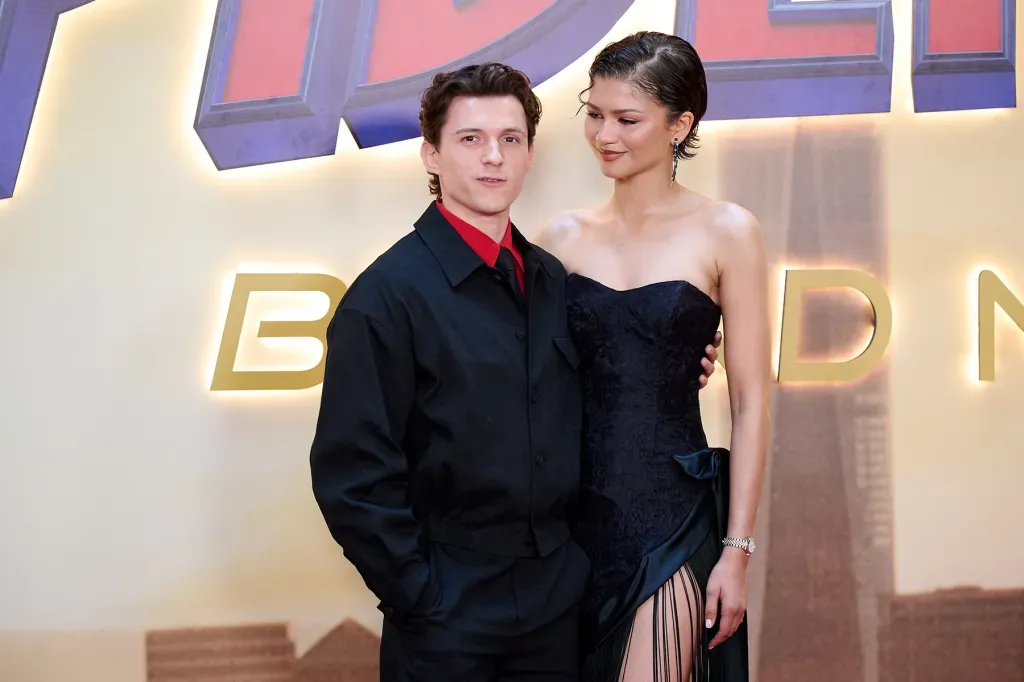
Tom Holland confirmed in a July/August Esquire cover story that he and Zendaya are married. For decision-makers, the bigger story is how celebrity misinformation, fast social sharing, and identity-proofing collide in real time.
Tom Holland confirmed he and Zendaya are married in his July/August cover story with Esquire, and he did it in a way that reads less like a press release and more like a controlled response to a viral problem. The trigger was not a paparazzi ring or a red-carpet clue. It was an internet flood of AI-generated wedding photos that started circulating in March.
In the interview, Holland addressed the fake images directly. He said that when those AI wedding pictures went viral, his grandmother reached out because she thought she had not been invited to the wedding. Holland chose not to share details about the day, but he made one thing clear: “they were all there.” In plain terms, he is confirming the marriage, while still keeping the couple’s privacy intact.
That matters because the confirmation came after months of speculation. According to the source, Holland and Zendaya met in 2016 on Spider-Man: Homecoming, with Holland as Peter Parker and Zendaya as MJ. The coverage also notes that he and Zendaya had been engaged since about January 2025. So the Esquire moment is not just a romantic plot twist. It is an identity event that lands after a period when fans were already decoding public signals, watching for wedding tells, and filling gaps with whatever the internet could generate.
Now add the AI layer. The story says Zendaya had already responded that the wedding photos were “not real” during a March visit to Jimmy Kimmel Live!. Even with that correction on-record, the images kept spreading, and Holland’s grandmother ended up being pulled into the confusion. This is a familiar modern pattern: a disclaimer appears, but the algorithm keeps distributing the content people most want to share. Once a narrative is emotionally sticky, corrections can lose the battle for attention.
There was also a separate rumor mechanism in play, coming from the fashion world. The source says Zendaya’s longtime stylist Law Roach appeared to suggest the wedding had already happened. On an Access Hollywood interview posted March 1, Roach said, “The wedding has already happened! You missed it,” and later doubled down with, “It’s very true.” That kind of comment is a different risk than AI. It is not machine-generated; it is human signaling. But both routes converge on the same outcome: ambiguity for the public, and pressure on the celebrity principals to either clarify or let the speculation run.
Holland’s Esquire quotes are where the story moves from gossip into a clean, quotable confirmation. He described their partnership as a “bedrock of a relationship that will stand the test of time.” He told the magazine: “We can support each other in ways that only we can, because only we understand really what it’s like to live this life, and I think that is such a luxury, because I just don’t understand how I would be able to have anything like that with anyone else.” Then he added of Zendaya, who the source says has landed six songs on the Billboard Hot 100: “I found my person. She’s my best friend, and I’m the happiest I have ever been when I’m with her, but I have also never felt so supported and safe, ever. Period.”
For executives and board members, this is a surprisingly useful case study in reputational risk and information controls, even if your company is not in Marvel or music. The collision here is between three forces: viral content at scale, public figures who want privacy and credible boundaries, and the increasingly messy question of what “real” even means online. When AI imagery and human rumor both circulate, the eventual confirmation does not just settle fan curiosity. It teaches audiences how quickly misinformation can become a default belief, and how long it can take to correct once a story gains momentum.
The second-order implication is about timing and decision-making. Holland declined to share details of the day, but he still confirmed the marriage. That is a strategic middle path: address the core factual point, limit the operational details, and reduce the opportunity for further speculation to spin out into privacy violations. In other words, when the narrative has already escaped, the best move may be targeted verification, not broad commentary.
If you lead communications, manage brand risk, or oversee governance for high-visibility talent or products, the takeaway is simple: the speed of internet distribution does not care whether the underlying asset is AI-generated, misheard, or intentionally vague. What matters is what your stakeholders do with ambiguity. Holland’s response shows one workable approach, confirm the essential fact when it becomes unavoidable, and keep the rest tightly controlled. In a world where even weddings can be generated by a bot, the real power is knowing when to clarify, and exactly how much to say.
This story's Key Insights and Take-aways are locked.
Create a free account to unlock Executive Actions for one credit.
Register to UnlockAlways free for Executives Club members. Join the Club
More in Entertainment

Gkids buys North America rights to Cocoon, sets Sept. 4 theater debut
A wartime anime adaptation with a Japanese island setting lands with both subtitled and English-dub theatrical screenings.

Anya Taylor-Joy becomes elf Seren in Serkis' LOTR: The Hunt for Gollum
Seren is a
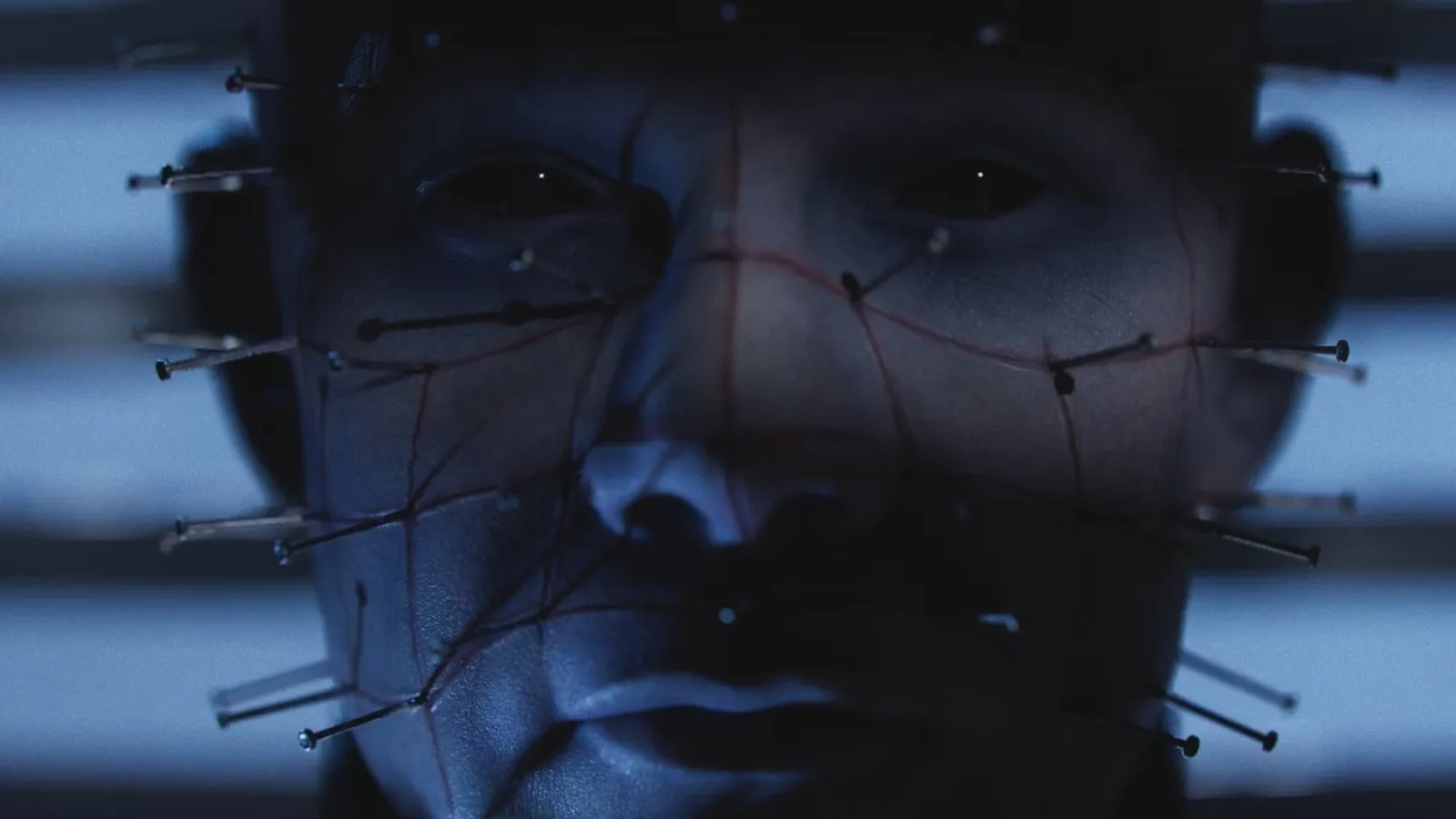
Hellraiser: Revival launches Oct. 8 to dodge the biggest release crush in gaming
A survival-horror sequel from Saber Interactive and Boss Team Games lands on PS5, PC, and Xbox Series X on Oct. 8.