
Apple rebuilds Siri as “Siri AI” for WWDC 2026, adds more natural customizable voices
The company says it rebuilt Siri with AI at its core and is previewing it at WWDC 2026, starting a new voice era.
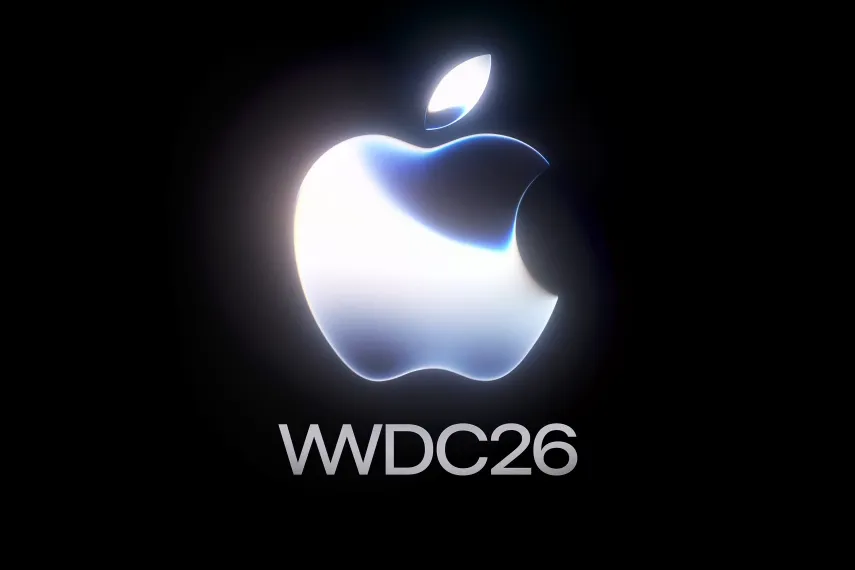
Apple announced it rebuilt Siri with artificial intelligence at its core, unveiling a forthcoming version called Siri AI at the kickoff to its 2026 Worldwide Developers Conference (WWDC) in Cupertino. For decision-makers, the move signals Apple is repositioning Siri as a more competitive AI assistant and tightening control over the user experience.
Apple used Monday's kickoff to its 2026 Worldwide Developers Conference (WWDC) in Apple Park in Cupertino, California to deliver a message that is both simple and strategically loaded: Siri is getting rebuilt from the ground up, with artificial intelligence at its core. The forthcoming version is called “Siri AI,” and it was part of the announcements that kicked off WWDC 2026.
The headline detail is what matters most for anyone watching the assistant wars. Apple is not just adding a feature or tweaking a prompt flow. It is positioning Siri AI as a fundamentally new Siri, built with AI from the start, and it is tying that rebuild to something users can notice immediately, more customizable voices designed to sound more natural. In other words, Apple is trying to win on two fronts at once. First, the underlying intelligence. Second, the experience layer that feels personal, human, and controllable.
If you are an operator or investor, this is a reminder that “AI assistant” is quickly becoming “AI interface.” The assistant itself is only half the product. The other half is everything around it: how it speaks, how it listens, how reliably it follows instructions, and how much control the user has. Apple’s emphasis on voices that sound more natural and can be customized matters because voice is the most intimate computing surface most people touch. Text chat can be ignored; a voice assistant is either in your day or it is not.
There is also a product strategy angle that executives will recognize right away. Apple’s ecosystem lock-in is one of its biggest strengths, but it also creates a unique constraint: Apple has to make sure any assistant experience feels “Apple native.” Rebuilding Siri with AI at its core suggests Apple wants to keep Siri consistent with its broader design philosophy while still competing in a market where assistants increasingly behave like copilots. By debuting this at WWDC, Apple is also signaling that it wants developers to build around the new Siri AI foundation, not the old one.
WWDC timing is not accidental either. The conference is where Apple typically sets expectations for what it is building and what developers should prepare for next. Dropping Siri AI into the kickoff is a way to frame the year’s developer priorities. It also creates urgency for anyone in adjacent categories like accessibility tools, voice interaction apps, and consumer services that rely on device-level intelligence. If Siri AI can deliver more natural, customizable voice experiences, that raises the bar for third-party apps that want to integrate smoothly with a voice-first world.
There is a regulatory and compliance subtext here, even if the announcement itself is about product changes. Voice assistants often sit on sensitive data surfaces, and AI personalization increases scrutiny around consent, data handling, and user control. When a company highlights customization, regulators tend to ask who controls what, what data is used to personalize, and how a user can understand and adjust that behavior. Apple framing Siri AI around user-facing voice control could be read as a deliberate choice to emphasize transparency and choice, which tends to travel better through regulators than vague “enhanced intelligence” claims.
For boards and senior leadership teams, the second-order implication is straightforward: Apple is treating Siri as strategically important, not as a legacy feature. Rebuilding a core assistant is expensive, technically complex, and organizationally disruptive. That kind of investment typically means leadership believes the assistant layer will strongly influence customer satisfaction, ecosystem retention, and competitive parity in the next wave of consumer AI.
Peers in the assistant and device AI space should take note. If Apple can make Siri feel more natural and more customizable while claiming an AI-first rebuild, it compresses the window for competitors to win purely through model capability. The differentiator shifts toward integration quality, interaction design, and experience polish, and that is where Apple historically plays its best game.
This story's Key Insights and Take-aways are locked.
Create a free account to unlock Executive Actions for one credit.
Register to UnlockAlways free for Executives Club members. Join the Club
More in Technology

OpenAI says 10,000 agents cracked a 90-year math problem in 88 hours
The company's claim is audacious, but one mathematician is pushing back. Here's what it means for AI-driven discovery.
Meta still serves child sexual abuse ads on Instagram in India - BBC report
A new report following the BBC Eye investigation says the ads are still there - what it signals for every platform with a self-serve ad engine.

White House yanks 'Build the Wall' game after Tetris Company copyright warning
The administration's arcade game vanished in hours - and the takedown playbook every brand can learn from.