
Apple's $1,999 foldable iPhone Duo is already delayed into 2027
Apple's first foldable starts at $1,999, and preorder demand is so strong that orders are slipping into 2027, reshaping the foldable market and your upgrade cycle.
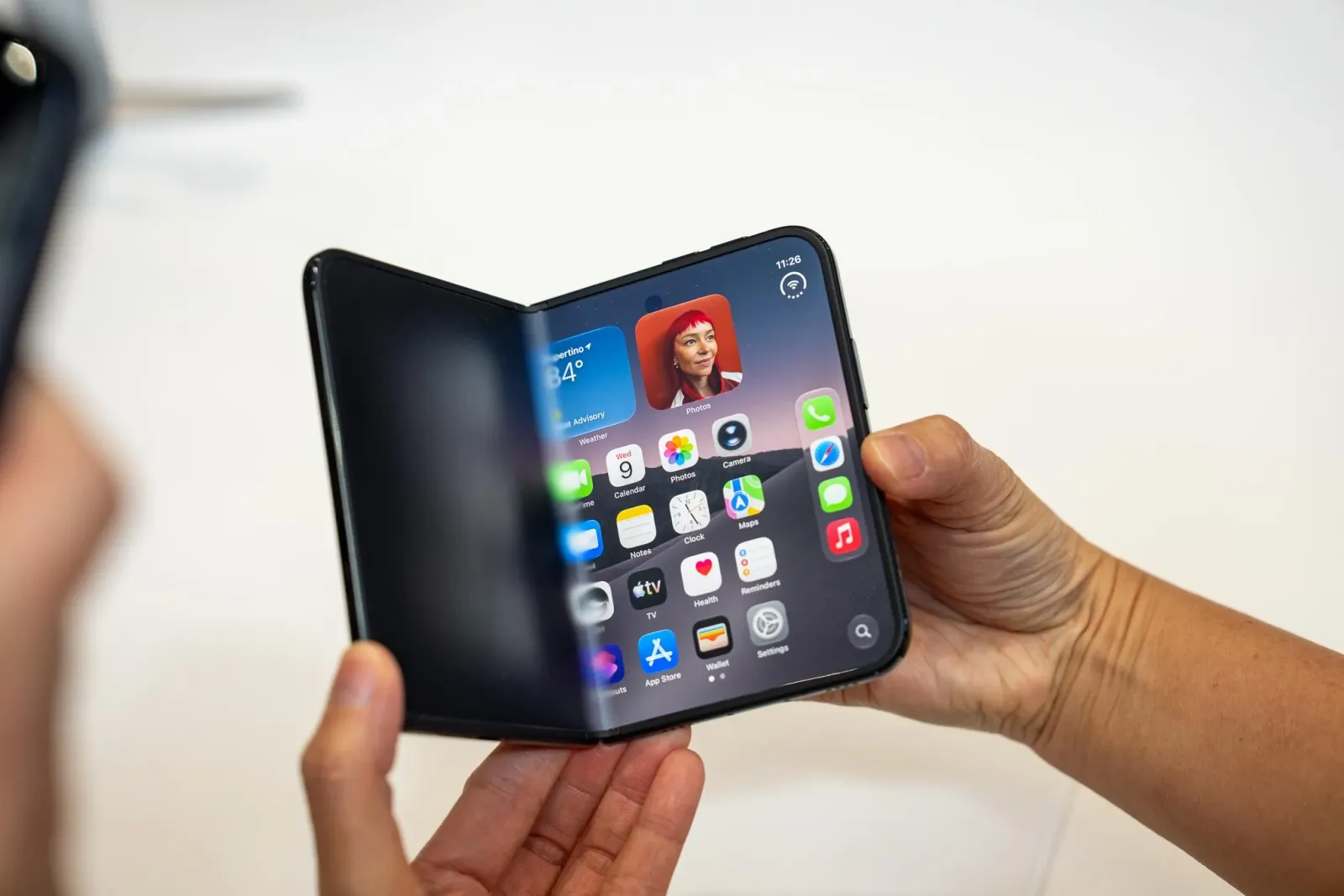
Apple has announced its first foldable, the iPhone Duo, starting at $1,999 with preorder demand so strong that orders are already delayed into 2027. For decision-makers, this signals Apple's late but serious entry into the foldable market, with implications for pricing, supply chains, and software ecosystems.
Apple's first foldable, the iPhone Duo, is already a victim of its own success. The $1,999 device, which starts at 256GB of storage, is seeing preorder demand so strong that Apple says it is "extraordinary" - and orders are already slipping into 2027. That's a striking signal for a product that many thought would never see the light of day, and it sets the stage for a new era in Apple's hardware lineup.
The hardware itself is a study in deliberate choices. The iPhone Duo features a 5.4-inch outer display and a 7.6-inch inner display, with a "nano-texture" finish on the inner screen and barely any visible crease. Instead of Face ID, Apple opted for Touch ID on the power button, a move that simplifies the foldable's internal layout. It has two cameras - a main lens and a wide-angle lens - and Apple completely revamped iOS 27's controls and apps for the foldable, including putting the dock on the side of the phone and adding a flashy opening animation when you unfold it.
The price is aggressive even by Apple standards. The base model costs $1,999, and prices only go up from there. And if you're worried about durability, consider this: repairing the iPhone Duo's folding screen costs as much as a new iPhone. That's a hefty total cost of ownership, and it could push early adopters toward AppleCare or third-party insurance - or make them think twice about going caseless.
Apple is late to the foldable party. Samsung and Google have been selling foldables for years, and Apple's entry has been long-rumored. But the iPhone Duo's early demand suggests that Apple's brand and ecosystem still carry enormous weight. The Verge's own coverage notes that the hardware doesn't look special, but the software might be - and that's where Apple could differentiate. iOS 27's revamped controls, side-mounted dock, and opening animation are designed to make the foldable feel native, not like a phone with a bendable screen.
The delay into 2027 is the most telling detail. It means Apple underestimated demand, or its supply chain is struggling to produce the foldable at scale. Either way, it's a good problem to have, but it also means that early adopters will be waiting months. For competitors, this is a double-edged sword: Apple's entry validates the category, but its supply constraints could leave room for Samsung and Google to capture impatient customers.
For executives and boards, the iPhone Duo is a case study in timing and execution. Apple waited until the technology matured - the crease is barely visible, the nano-texture finish is a premium touch - and then priced it at the top of the market. The "extraordinary" preorder demand suggests that consumers are willing to pay for a foldable that feels polished. But the repair costs and supply delays are reminders that foldables are still a young, fragile category.
The software story is the real strategic play. By revamping iOS 27 for the foldable, Apple is setting a standard that app developers will need to follow. If the iPhone Duo succeeds, expect a wave of apps optimized for the 7.6-inch inner display. For CFOs and CTOs, that means planning for a future where foldable form factors are part of the enterprise device mix - and where the cost of supporting them includes both hardware and software adaptation.
The iPhone Duo is a big bet, and early signals are positive. But the real test will come when the first units land in users' hands. Will the barely-there crease hold up? Will the Touch ID-on-power-button feel natural? And will the $1,999 price tag - plus the cost of repairs - be justified by the experience? For now, Apple has done what it does best: created a product that people desperately want, even if they have to wait until 2027 to get it.
This story's Key Insights and Take-aways are locked.
Create a free account to unlock Executive Actions for one credit.
Register to UnlockAlways free for Executives Club members. Join the Club
More in Technology
Apple's First Foldable Is Astonishingly Good. The Catch: iOS and Apps
The iPhone Duo nails the hardware, but the review warns iOS and third-party apps need time to catch up. Here's what that means for buyers and developers.

AI data centers guzzle water. Nvidia's DSX blueprint can cut it to near zero
European infrastructure firms are building AI factories on Nvidia's DSX reference design, which the chipmaker says slashes cooling water use to almost zero.

Nvidia's 'AI trailer parks' cut datacenter buildouts from 6 months to 2 weeks
Nvidia's DSX pods, fully wired modular containers, promise to shrink AI factory deployment from six months to two weeks, starting with Vera Rubin systems in 2027.