
Apple TV’s Star City: Soviet Moon victory turns “For All Mankind” into an 8-part thriller
The new Apple TV series blends Cold War spycraft with alternate-history stakes, aiming to satisfy fans of The Americans.
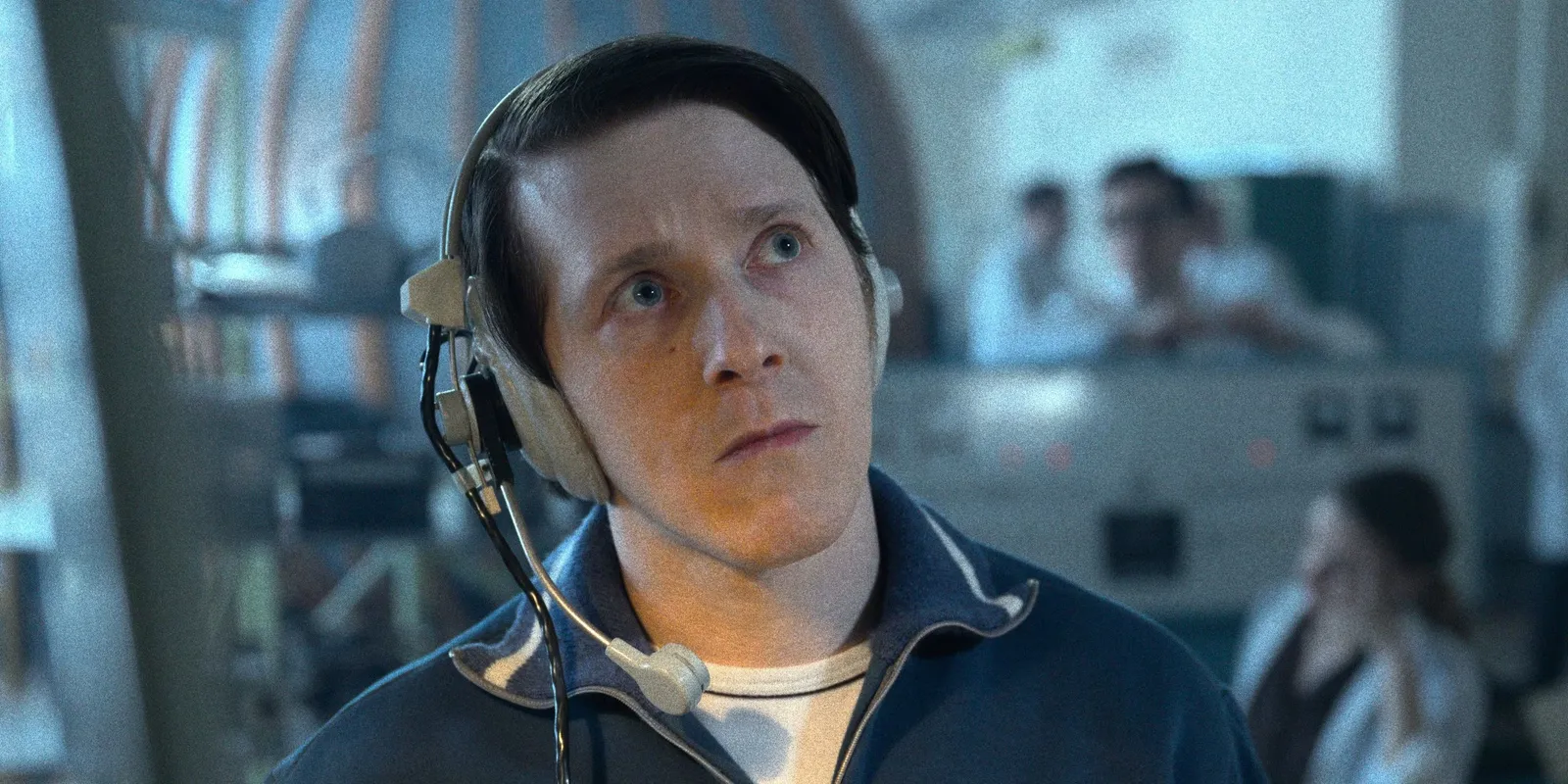
Apple TV’s Star City is an 8-part thriller series that functions as a Soviet-focused spin-off of For All Mankind, currently wrapping the fifth and penultimate season of that parent show. For decision-makers, it signals how streaming franchises are evolving from pure sci-fi into regulated, politicized, espionage-driven prestige TV.
The hook in Apple TV’s Star City is simple, and it pays off fast: this is a Soviet-focused alternate history where the Soviets beat the U.S. to the Moon, then uses that fork in history to build an espionage thriller. The series is presented as an 8-part thriller, and it leans into the Cold War as both backdrop and engine, the same way historical drama always seems to work best when the stakes are already baked in. You do not need a new world order to make the conflicts feel real. You just need the old one, with a different outcome.
Star City is also explicitly positioned as a spin-off of For All Mankind, one of Apple TV’s best series, which has just wrapped up its fifth and penultimate season. That matters because it tells you the show is not reinventing the franchise from scratch. It is taking the established alternate-history premise and shifting the viewpoint and tone toward political thriller and espionage elements. In other words: the series is trying to keep existing viewers while pulling in a different kind of bingeable addict, the kind who wants the tension of spies and the slow burn of intelligence games.
What makes Star City feel strategically interesting is how it sits at the intersection of genres that streaming executives know are sticky when done well. The series blends sci-fi with a political thriller lens and espionage mechanics. That mix is not just creative style. It is a viewing behavior bet. Pure sci-fi can attract audiences who want ideas. Political thrillers attract audiences who want conflict. Espionage thrillers add another layer, because viewers learn to reward details, not just dialogue or spectacle. If Star City is successful, it likely will not be because of one moon landing set piece. It will be because the show makes alternate history feel like an ongoing operational problem that keeps getting messier.
The Collider framing also calls out a direct comparison that tells you who this show is for: Star City has a lot in common with The Americans, a critically acclaimed spy drama. That reference is more than a lazy genre label. The Americans is known for making espionage feel like work, with constant tradeoffs and the sense that every move is both personal and systemic. When a new series gets positioned as “perfect” for viewers craving another great espionage thriller on TV, it signals that the show is being sold around the emotional payoff of spycraft, not just the novelty of a Soviet Moon.
If you zoom out from the screen and into how franchises get built, Star City is a case study in franchise evolution. For All Mankind already built a world where historical milestones had alternate outcomes. The strategic twist here is that Star City uses that alternate history to justify a different type of narrative motion. Instead of only asking “what if the Soviets won space,” it asks “what if political power and intelligence operations grew out of that victory.” That is a second-order effect that can make a spin-off feel less like brand recycling and more like brand expansion. It is the same timeline, but the story engine changes.
There is also a regulatory-adjacent angle to why Cold War espionage narratives fit so naturally into today’s streaming environment, even when the source material is historical. Intelligence and statecraft stories inherently involve surveillance, infiltration, and competing institutional incentives. Those are themes that map cleanly onto modern viewer expectations around systems, oversight, and consequence. Star City is not described as a procedural in the source, but the political thriller and espionage setup implies that characters are operating inside constraints, even if those constraints are dramatized rather than legislated on screen. For executives, that is valuable because it gives writers structure. For boards and investors, it reduces creative risk. It is easier to sustain a multi-episode arc when the plot has built-in tension: loyalties, missions, and the cost of being wrong.
Finally, the series being an 8-part thriller matters for pacing and planning. Eight episodes is a sweet spot for prestige programming because it is long enough for escalation and character positioning, but not so long that the audience needs to stay attached for an entire season’s worth of wandering. Collider notes that Star City stands apart even as a spin-off, and the episode count reinforces that. A shorter run lets a show prove it can deliver tight, episodic suspense that supports the larger alternate-history premise.
For peers building or managing similar franchises, the strategic stakes are clear. Star City is betting that viewers will follow a familiar universe into a darker, more espionage-heavy mood without losing the sci-fi appeal that made the original successful. It is also betting that alternate history can be more than a concept. It can be a thriller engine. If Apple TV lands that balance, Star City becomes a template: take an established premise, change the power center, and let genre tension do the work of retaining audiences.
This story's Key Insights and Take-aways are locked.
Create a free account to unlock Executive Actions for one credit.
Register to UnlockAlways free for Executives Club members. Join the Club
More in Entertainment

Blink49’s Brand Studio launches vertical video with “Murder at the Mansion” this fall
The Brand Studio vertical push is here, and Tieren Hawkins is writing a mobile-first micro-drama for mobile audiences.

‘Toy Story 5’ posts $17.5M previews, the top 2026 preview total so far
Disney and Pixar’s sequel leads previews with $17.5 million, signaling what theaters and investors should watch next.
John Wick 5 confirms Keanu Reeves’ return, but the plot pivots to Caine
Keanu Reeves is back, yet Chapter 5 centers on Caine and shifts the franchise power into new leadership.