
‘Toy Story 5’ posts $17.5M previews, the top 2026 preview total so far
Disney and Pixar’s sequel leads previews with $17.5 million, signaling what theaters and investors should watch next.

Disney and Pixar’s “Toy Story 5” earned $17.5 million in previews and is on track for a major multiplex weekend. For decision-makers, the key question is how this early demand translates into opening-week performance and follow-on theatrical revenue.
Woody and Buzz have already moved the needle before the weekend officially starts. Disney and Pixar’s “Toy Story 5” has brought in $17.5 million in previews, and Variety reports it is the highest preview performance of 2026 so far.
That number matters because previews are the market’s fastest real-time read. You do not have to wait for final weekend grosses, audience exit surveys, or week-over-week retention to know whether fans showed up early. A $17.5 million preview haul is strong enough to set expectations for multiplex scheduling, marketing pacing, and even how aggressively theaters and distributors prioritize screen counts over the next few days.
So what does “highest of 2026 so far” actually mean in business terms? It means “Toy Story 5” is ahead of every other title that has tried to draw audiences in previews this year. That matters because studios and exhibitors are operating with the same basic constraints every weekend: limited screens, finite showtimes, and audiences that choose from a crowded entertainment menu. When one film jumps early, it can influence how theaters staff and program their calendar, which in turn can affect how fast the film builds momentum during opening weekend.
Incentives are aligned in a way that can amplify outcomes. Studios want strong openings because the first weekend often functions as a reference point for downstream performance: it drives media attention, fuels consumer confidence, and gives the film better odds of sustaining screen share beyond the initial surge. Exhibitors want reliable demand because it reduces the risk of paying opportunity costs for a program that might underperform. When a movie like “Toy Story 5” posts the top preview performance of the year so far, it gives both sides a more comfortable baseline to plan around.
There is also a second-order effect that executives often watch: the knock-on impact for ancillary revenue. While the source focuses on box office previews and weekend expectations, any film with early audience traction typically strengthens the studio’s ability to negotiate and execute broader commercial plans, from merchandising tie-ins to future distribution strategy. For boards and investors, that is less about nostalgia and more about risk management. Strong early demand can smooth forecasting assumptions, improve confidence in revenue timing, and reduce the variance that can come with theatrical releases.
On the market side, this is happening in the context of how theatrical releases succeed or stumble in a multi-step funnel. Previews capture the conversion from awareness to attendance. The next stage is whether audiences keep coming after the opening window and whether word-of-mouth (or just continued scheduling strength) keeps the film from dropping too sharply. A studio cannot fully control that, but it can shape the conditions by timing marketing spend, managing theater commitments, and ensuring that the release plan supports sustained visibility.
For peers, the “$17.5 million in previews” headline is a signal worth treating as a benchmark. Animated sequels in particular carry a special kind of expectation. They tend to have built-in audience familiarity, which can reduce marketing uncertainty, but they also face a higher bar: the audience knows the franchise, and expectations for quality and entertainment value run hotter. The early performance suggests the franchise is still pulling interest at the point where viewers decide to buy tickets, which is the only point that truly matters.
Strategically, the takeaway for decision-makers is straightforward: preview performance is an early stress test for demand. With “Toy Story 5” leading 2026 previews at $17.5 million, Disney and Pixar now have a real opening-week planning advantage, and theaters get a clear candidate for screen priority. The market will immediately watch whether that preview strength converts into a weekend that lives up to the promise implied by being the highest preview performance of the year so far. If it does, it could become the kind of theatrical anchor that shapes what else studios consider greenlighting for upcoming release windows.
This story's Key Insights and Take-aways are locked.
Create a free account to unlock Executive Actions for one credit.
Register to UnlockAlways free for Executives Club members. Join the Club
More in Entertainment

Blink49’s Brand Studio launches vertical video with “Murder at the Mansion” this fall
The Brand Studio vertical push is here, and Tieren Hawkins is writing a mobile-first micro-drama for mobile audiences.
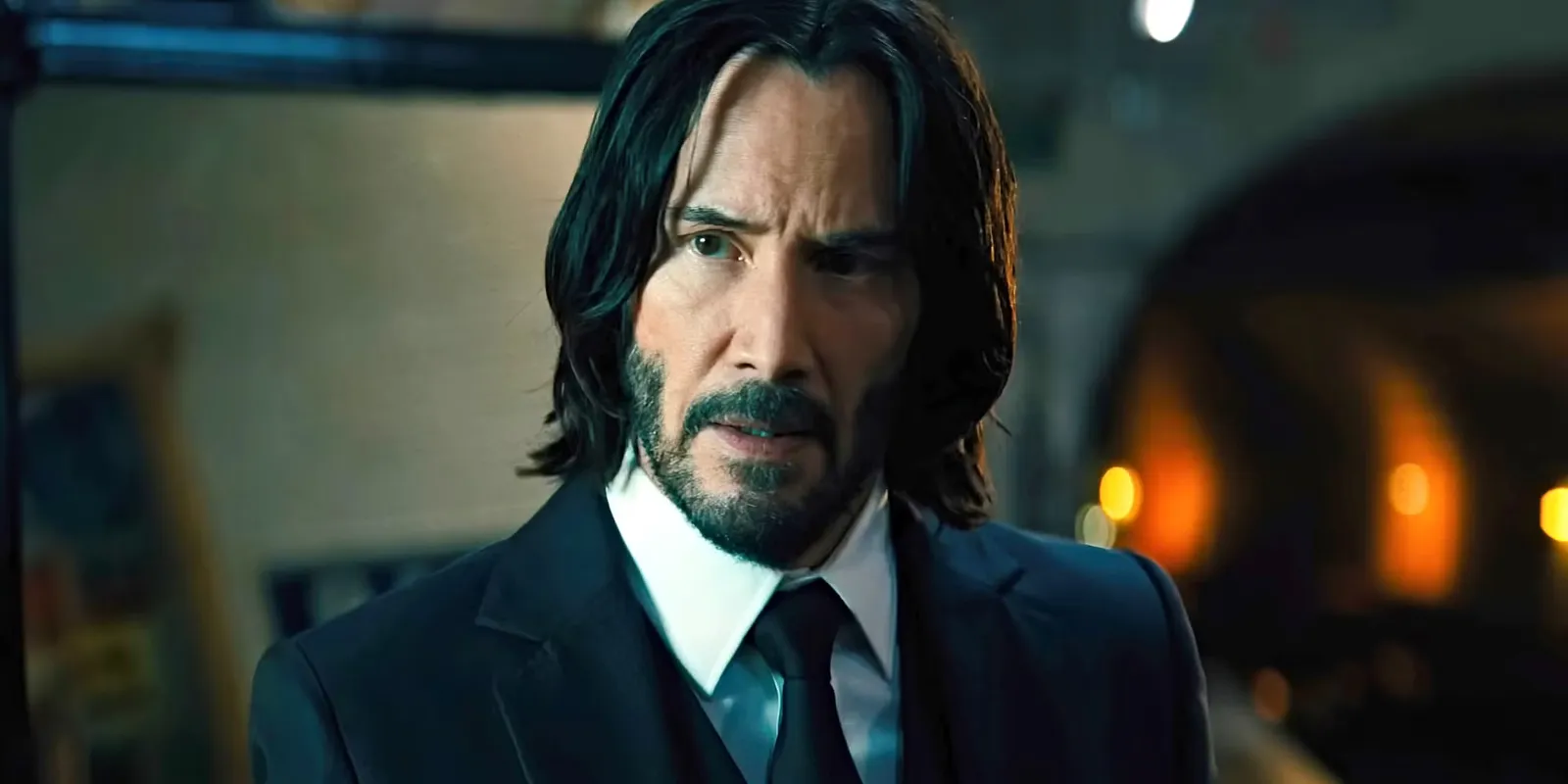
John Wick 5 confirms Keanu Reeves’ return, but the plot pivots to Caine
Keanu Reeves is back, yet Chapter 5 centers on Caine and shifts the franchise power into new leadership.
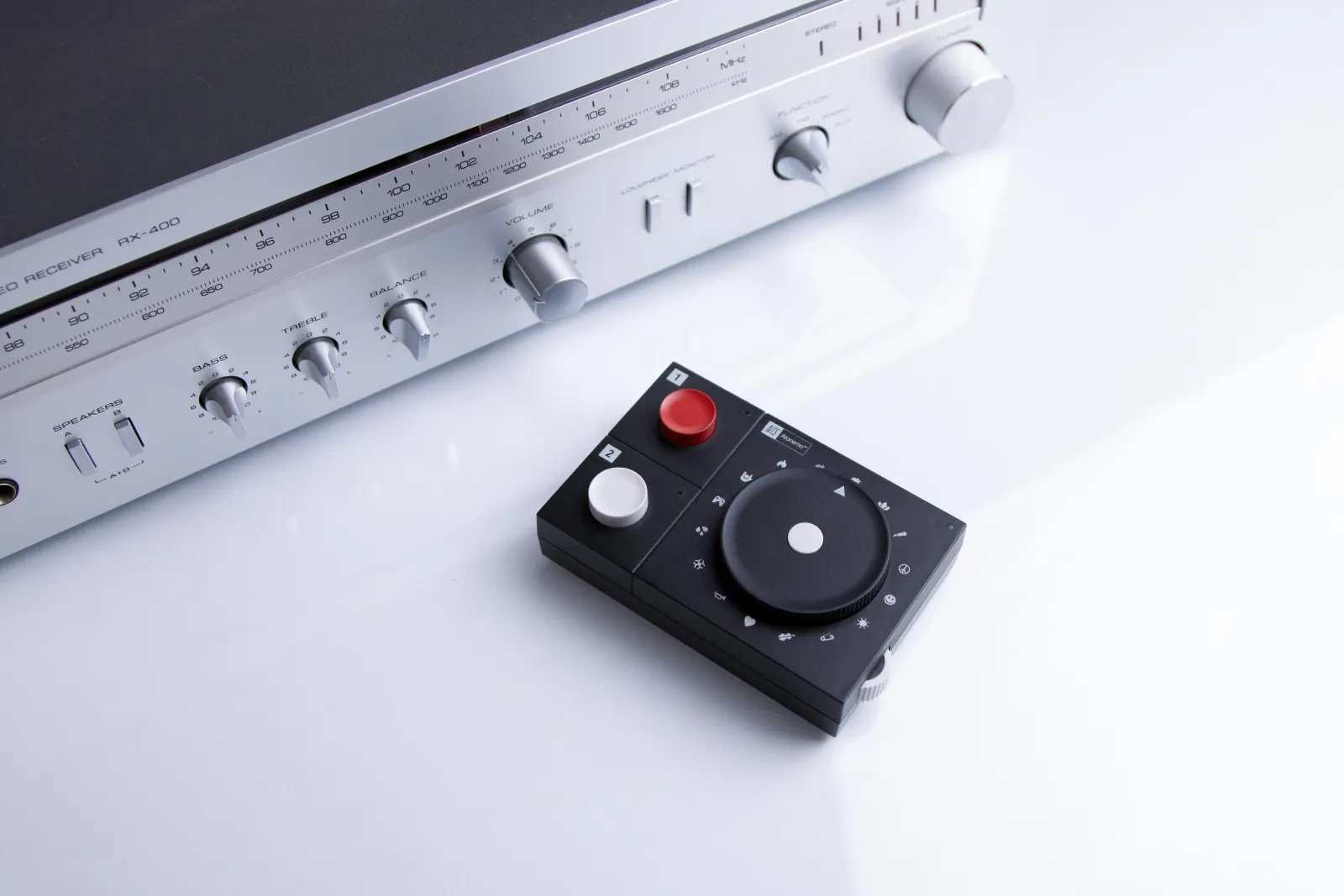
$179 NTS Radio Player targets Chromecast Audio diehards with hi-fi streaming via Atonemo
A dedicated internet radio player brings NTS stations plus major streaming options to almost any stereo for $179.