
Aramco closes $2.6B deal for 49% of AI firm Humain
Saudi Aramco formalized its October agreement, paying $2.6 billion for a minority stake in Humain while PIF keeps control, a template for Gulf AI deals.

Saudi Aramco completed its acquisition of a 49 percent stake in AI company Humain for approximately $2.6 billion in cash contributions during 2026, with the Public Investment Fund retaining 51 percent. The deal, first announced in October 2025, includes Aramco contributing AI, computing, and digital assets, signaling how Gulf states are building sovereign AI infrastructure.
Saudi Aramco has closed the deal: $2.6 billion for a 49 percent stake in Humain, the artificial intelligence company anchored by the Public Investment Fund. The transaction, which formalizes an agreement first announced in October 2025, involves approximately SR9.9 billion in cash contributions during 2026, and it leaves PIF with a 51 percent controlling stake.
The structure is as telling as the price. Aramco is buying through a wholly owned subsidiary, and the deal includes Aramco contributing AI, computing, and digital assets to Humain. That means the oil giant is not just writing a check; it is wiring its own technology stack into a sovereign AI champion, a move that gives Humain immediate infrastructure and gives Aramco a seat in the Kingdom's AI buildout.
The closing caps a process that began in October 2025, when the two sides first announced the agreement. Since then, the global AI investment cycle has only accelerated, with Gulf states pouring billions into data centers, chips, and model development. Humain, backed by PIF, is part of that wave, and Aramco's participation adds a new dimension: an energy company using its balance sheet and technical assets to buy into the AI supply chain rather than simply funding it from the sidelines.
For Aramco, the logic is twofold. First, it diversifies a revenue base that remains overwhelmingly tied to crude oil, giving the company exposure to a sector that is growing at a pace the energy market cannot match. Second, it positions Aramco as a supplier of the computing power and digital infrastructure that AI models depend on, a role that could become as strategic as producing the energy that runs the data centers.
For PIF, keeping 51 percent means the fund retains control over Humain's direction while sharing the capital burden with Aramco. That structure is common in Saudi Arabia's push to build national champions: the sovereign fund holds the majority, a strategic corporate partner brings operational or financial heft, and the entity gets access to both state support and private-sector discipline. The Humain deal follows that playbook, but with a twist: the minority partner is itself a state-controlled company, so the arrangement is less about outside capital and more about aligning two arms of the state.
The transaction also signals how Saudi Arabia is thinking about AI assets. Instead of selling equity to foreign investors, the Kingdom is keeping Humain inside the state's orbit while using Aramco's cash and computing assets to scale it. That approach mirrors broader Gulf strategy, where AI is treated as critical infrastructure, not just a portfolio bet. For international tech companies and investors, the message is clear: access to Saudi AI deals will likely come through partnerships, not control.
There are also practical implications for Aramco's capital allocation. The $2.6 billion commitment, spread across 2026, is modest relative to Aramco's annual capital expenditure, but it is a meaningful signal that the company is willing to deploy billions into non-energy technology. Executives at other energy majors, and at large industrial firms, will be watching to see whether Aramco follows this with further AI acquisitions or builds out Humain into a broader digital services arm.
For boards and CFOs, the takeaway is that the line between energy and AI is blurring fast. A company that produces oil is now a minority owner of an AI firm, contributing computing assets as part of the price. The deal is a reminder that the next wave of AI investment may come not from Silicon Valley but from state-backed balance sheets in the Gulf, and that the most consequential partnerships will be structured around assets, not just equity.
This story's Key Insights and Take-aways are locked.
Create a free account to unlock Executive Actions for one credit.
Register to UnlockAlways free for Executives Club members. Join the Club
More in Business

Patrick Stewart, Star Trek's Picard, dies at 86 with one final role still to come
The beloved actor's last screen appearance lands Dec. 18 in 'Avengers: Doomsday' - a posthumous curtain call that will test the pull of a two-franchise icon.
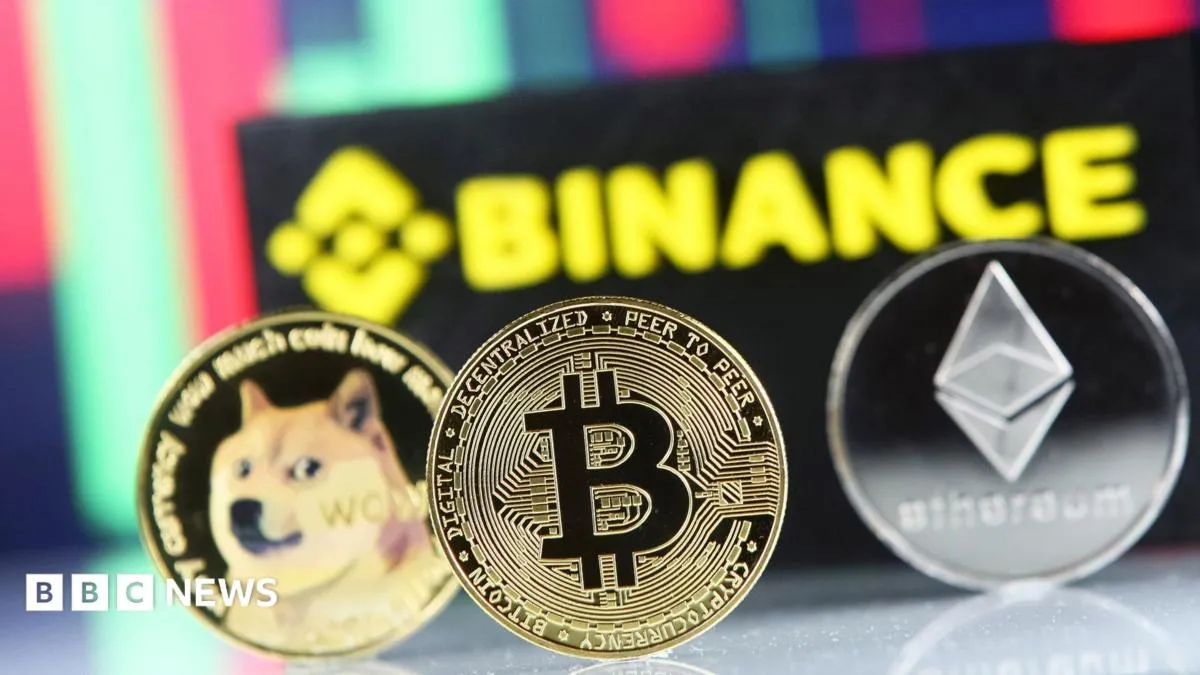
Binance scrambles to claw back $6.3B stolen in North Korea-linked hack
The world's largest crypto exchange faces the biggest heist on record, and the recovery effort will test the limits of blockchain forensics.
North Korea's TraderTraitor unit blamed for Binance's record $6.3bn heist
The largest crypto theft on record has rattled markets, slashed billions from token values, and put Binance's security revamp under the spotlight.