
Ashley Cain says he is not proud of sexist tweets and has changed
The former BBC Three presenter responds to historical sexist language online and frames it as personal growth.
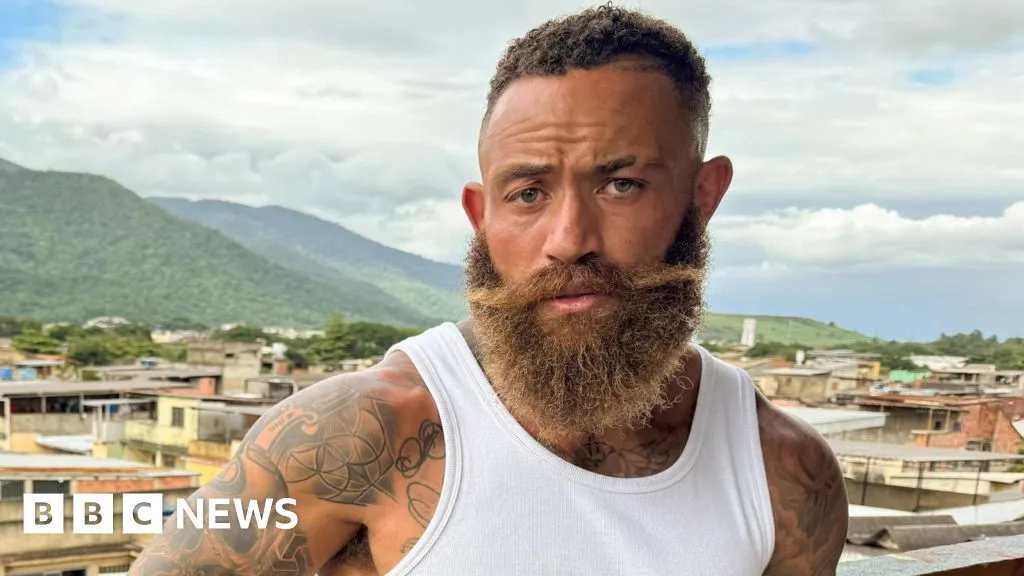
Ashley Cain, a former BBC Three presenter, says he is not proud of sexist language in historical tweets. For leaders, it is a live case study in how public figures, broadcasters, and brands manage past conduct and trust.
Ashley Cain, a former BBC Three presenter, has said he is “not proud” of sexist language in historical tweets, and he argues he has changed since those posts were published. The headline matters because the story is not really about the past tweet itself. It is about what happens after an old record is resurfaced, and whether the response is credible enough to rebuild confidence with an audience that has moved on and moved faster.
In the BBC News Entertainment piece, the central point is straightforward: Cain acknowledges the sexist language and says he has evolved since the tweets were posted. That combination, admitting wrongdoing and claiming personal change, is the entire engine of how reputational repair typically works in media and entertainment. It is also the part executives and decision-makers should pay attention to, because the court of public opinion often runs on timing, clarity, and specificity, even when no new facts are added.
For broadcasters, presenters, and the brands that build partnerships around them, this kind of moment creates a pressure test. The audience reaction is immediate. Social networks amplify old content with almost no context, and the narrative can harden quickly. Even when the facts are historical and the person is now different, the backlash can still be rational from the audience perspective. People want evidence that harm is not being ignored. They also want signals that future behavior will not repeat past patterns.
That is why Cain’s “not proud” framing is important. It is a direct moral stance, not a technical explanation of why the posts existed. Saying you are not proud signals accountability, and accountability is the baseline expectation when sexist language is the issue. The BBC framing in this specific story also highlights the limited nature of the response: the piece emphasizes that he says he has changed since the historical tweets were posted, rather than introducing new defenses or new claims about intent.
Executives should recognize the governance angle here. In many media organizations, policies around on-air conduct, workplace culture, and public standards are not just HR documents. They are risk controls tied to talent management and brand safety. When historical social media content surfaces, the organization has to decide whether it treats the matter as a past personal issue, a present professional risk, or both. The second-order question is: if the person is “now different,” what is the operational proof? Some organizations demand demonstrable commitments, additional training, or public remediation. Others focus on whether the individual is actively participating in a culture that aligns with stated values.
There is also a regulatory and standards backdrop, even when it is not named in the story. In the UK, broadcasters and content providers face expectations about fair treatment, harm reduction, and editorial responsibility. In the employment and public sphere more broadly, equality and discrimination frameworks shape what “acceptable” means. When sexist language is involved, audiences often interpret it as more than a slip of wording. They treat it as evidence of attitudes that can translate into real-world behavior. That is why reputational repair has to be more than a single apology statement, even when the original content is old.
The strategic stake for decision-makers is that these moments can become precedent. When one public figure updates their stance, the question shifts from “what was said?” to “what will organizations do the next time?” Boards and executives may need to tighten how they vet talent, how they monitor public risk, and how they respond when the risk is already on the internet. That does not mean punishing people forever for old language, but it does mean the response has to be consistent with internal standards and with what audiences are telling you they expect.
In this case, the BBC News Entertainment item is brief, but the implied lesson is not. Cain says he is not proud of the sexist language in the historical tweets, and he says he has changed since they were posted. For leaders in media, the lesson is to treat these moments as a trust management problem. The audience is not only assessing the past. They are evaluating whether the response, and the organization behind the individual, acknowledges harm and shows that it takes personal growth and accountability seriously.
This story's Key Insights and Take-aways are locked.
Create a free account to unlock Executive Actions for one credit.
Register to UnlockAlways free for Executives Club members. Join the Club
More in Entertainment

Disney Lorcana’s Attack of the Vine adds Up’s Carl, Ellie, Russell, and Paradise Falls
Ravensburger’s next set finally brings Pixar’s Up into Lorcana, starting with Carl, Ellie, Russell, and the Falls.
A24 hands Google DeepMind a seat, after years of guarding its creative workflow
The films stay separate. The deal shifts who gets to see A24's process, and what that enables downstream.

Elizabeth Banks is Ms. Frizzle as Legendary develops Magic School Bus live-action
Rob Letterman writes the treatment and Elizabeth Banks stars, as Legendary acquired rights from Universal for a big-screen debut.