

BA’s boss says fares will rise after airlines face an extra $100bn jet-fuel bill
Iata warns industry profits may halve to $23bn as jet fuel prices jump 70% in 2026.
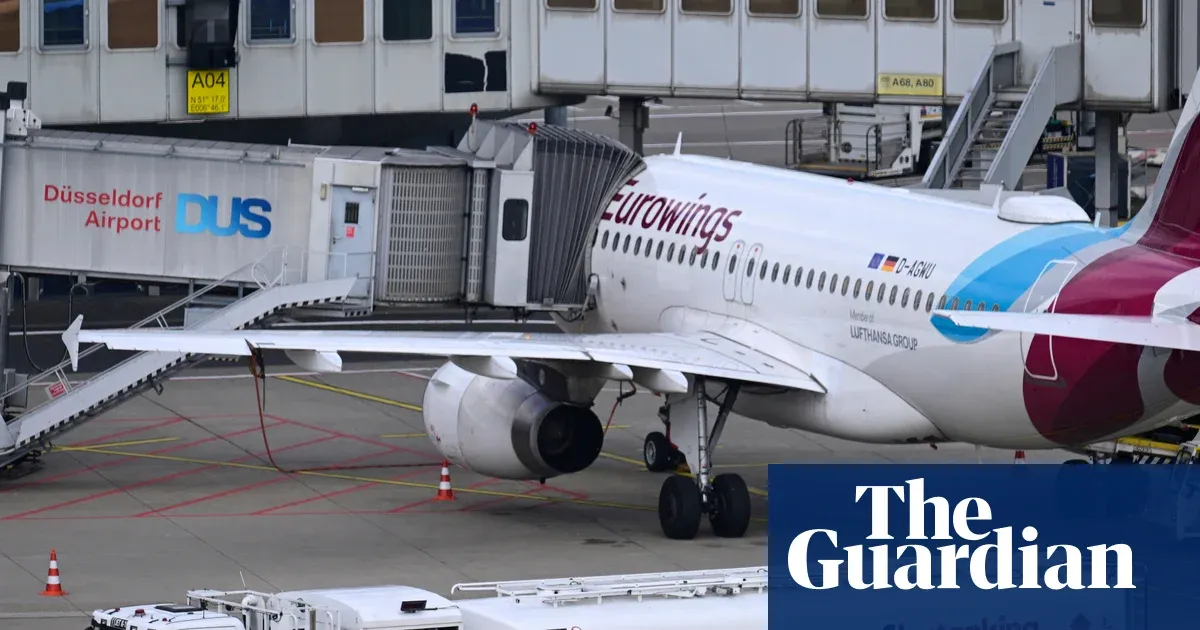
Iata executives speaking at a summit in Brazil said airlines must spend an extra $100bn on jet fuel this year, even as jet fuel shortages are unlikely. They warned BA’s boss expects fares to rise “inevitably” to cover the shock from disruptions tied to the closure of the strait of Hormuz in March.
Airlines are bracing for a $100bn jet-fuel bill this year, and Iata’s message was blunt: fares will rise “inevitably” to pay for it. At an Iata summit in Brazil, top executives said jet fuel shortages are unlikely, but the cost shock is still real, because prices are expected to be 70% higher across 2026. That is the uncomfortable math facing carriers, investors, and anyone who budgets around travel expenses.
The profit punchline is even sharper. Iata said industry-wide profits worldwide would halve to $23bn as the fuel-price shock ripples through the industry, including into airline business planning for next year’s capacity and route decisions. The immediate driver, according to Iata, is the closure of the strait of Hormuz in March, which it described as choking off oil supplies and creating stress in aviation fuel pricing. Some carriers, Iata warned, would struggle to survive the fuel price shock tied to that disruption.
There is an important nuance here: “shortages are unlikely” and “prices are up a lot” can coexist. Airlines are not just fighting scarcity at the airport. They are fighting volatility and the transmission of crude oil and refined product pricing into jet fuel. When a chokepoint like the strait of Hormuz is disrupted, markets can reprice quickly, and that repricing tends to flow into aviation fuel costs with less mercy than most other line items. Even if the supply of jet fuel is not physically unavailable, the cost can still jump enough to overwhelm balance sheets.
For boards and CFOs, the question becomes less “can we get jet fuel?” and more “how fast can we reprice everything else?” Jet fuel is one of the few expenses airlines cannot meaningfully substitute away. Hedging helps some companies and fails others, but the headline risk is that fuel costs rise faster than the demand curve can absorb higher fares. Iata’s framing that fares are “inevitably” higher is effectively an acknowledgement that airlines view passing the cost through as the dominant lever. But “dominant” does not mean “painless.” Higher fares can cool demand, push leisure travelers to delay trips, or shift mix toward shorter routes, which changes unit economics.
Iata also highlighted that the closure of the strait of Hormuz in March is central to the shock, and that expectation of 70% higher jet fuel prices across 2026 sets the tone for medium-term planning. This is where capital allocation decisions meet reality. Airlines and investors typically underwrite future results with assumptions about fuel behavior, and those assumptions can break quickly when geopolitics hits energy pricing. A profit halving from an earlier baseline to $23bn is not just a loss of earnings. It is a signal that a large part of the industry’s resilience is being consumed by one volatile input.
There is another layer for leaders who operate in markets beyond airlines themselves. The Guardian report ties the wider discussion to BA’s boss, mentioning “Costly aviation taxes and rail tickets stunting UK tourism growth.” That matters because tourism and travel demand do not respond only to airline fares. If governments raise the tax burden on aviation, or if rail pricing competes with air travel in ways that distort traveler choices, demand can be pulled around even when jet fuel costs stabilize. In practice, fuel is the engine of this particular cost shock, but policy and adjacent transport pricing can determine whether higher air fares lead to offsetting substitution or to a broader drag.
Even if jet fuel shortages are unlikely, Iata’s warning that some carriers would struggle to survive the fuel price shock points to second-order implications. When industry profits are expected to halve, weaker balance sheets get stressed first, and that can lead to reduced capacity, route changes, and more aggressive pricing moves by surviving players trying to defend market share. That is not just an operational risk. It becomes a governance issue, because turnaround plans and emergency financing can collide with ordinary capital return priorities. Executives should also expect more scrutiny from lenders and investors on cash burn, liquidity buffers, and the credibility of fuel-cost hedging.
Bottom line: the Iata summit in Brazil surfaced an uncomfortable scenario that looks simple on paper but is brutally hard in execution. Airlines are facing an extra $100bn on jet fuel this year, with jet fuel prices expected to be 70% higher across 2026, and Iata expects industry-wide profits to halve to $23bn. For decision-makers across aviation and the travel ecosystem, the stakes are immediate: can you finance the gap between cost and demand, and can you do it before the market forces the re-pricing anyway?
This story's Key Insights and Take-aways are locked.
Create a free account to unlock Executive Actions for one credit.
Register to UnlockAlways free for Executives Club members. Join the Club
More in Business

Anthropic’s Levant Alpöge cracks the Jacobian conjecture after 87 years
A Harvard valedictorian used Claude to hit a 1939 breakthrough, but the missing “why” is the real problem.

Uber buys Delivery Hero for nearly $15B, vaulting to top food delivery outside China
The deal doubles Uber's dual-services footprint and pushes a ride-and-eats bundling play into 50 more markets.

Epic and Google drop settlement bid, forcing rival Android app stores by July 22
Google told the court it is ready to carry third-party app stores starting Wednesday, July 22.