
Backrooms hits $100 million in 6 days, and A24 just made history
The horror hit crossed a massive box office line faster than most arthouse films ever do, reshaping what A24 can do in theaters.
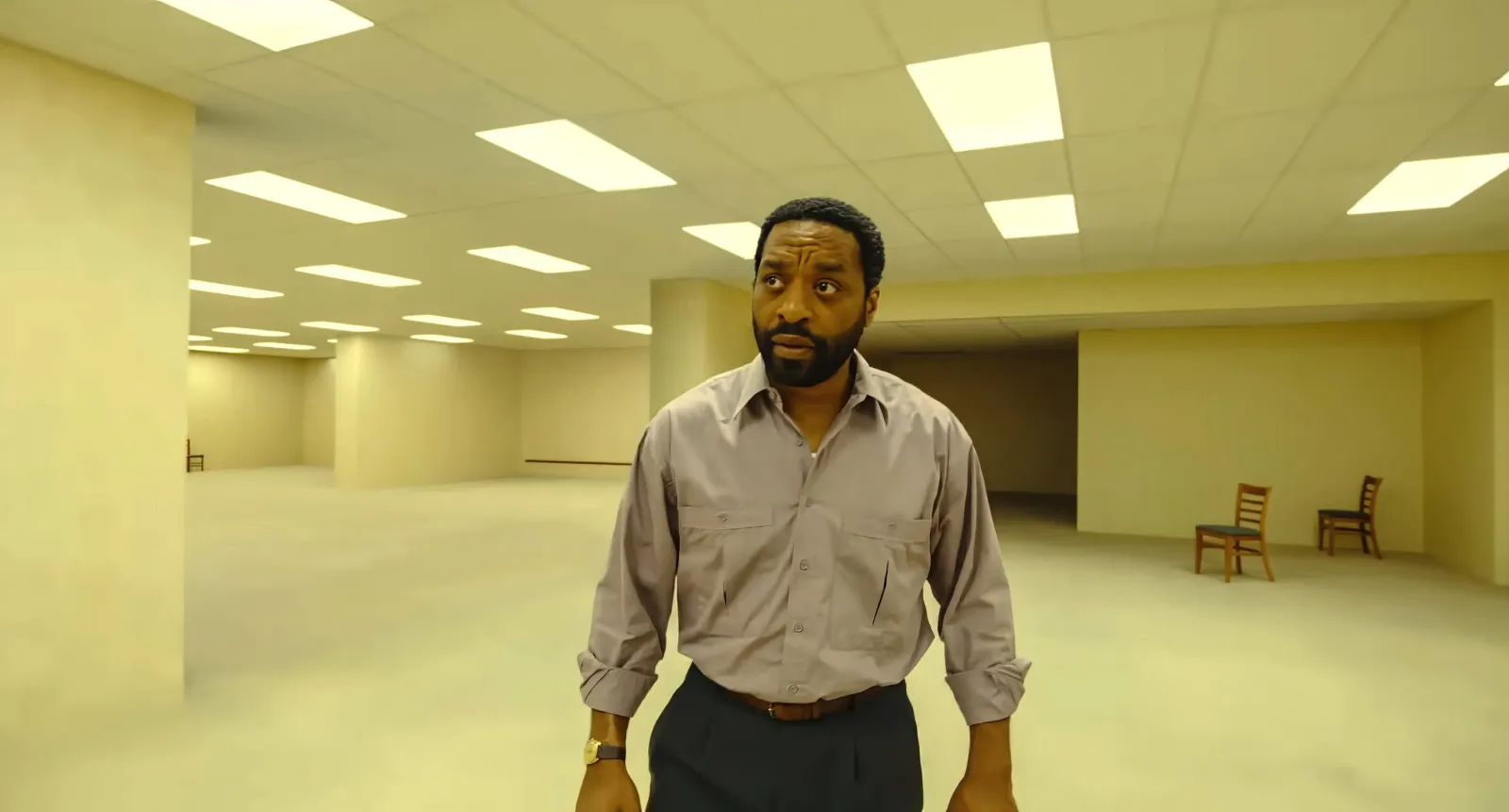
Backrooms, the buzzy horror film from YouTuber Kane Parsons, earned $100 million in just six days of release and became A24's biggest movie at the domestic box office. For studios, streamers, and investors watching audience demand, it is a clean reminder that the right breakout title can still move fast, even in a fractured moviegoing market.
A24 just got a very loud answer to a very expensive question: can a buzzy, creator-driven horror movie still break through in theaters at scale? "Backrooms" did exactly that, crossing $100 million in just six days of release and becoming A24's biggest movie at the domestic box office. That is not a normal pace. It is the kind of number most arthouse releases would be thrilled to reach by the end of their entire run, not in less than a week.
The film comes from YouTuber Kane Parsons, which matters because it reflects how audience attention is getting packaged now. The old path to a theatrical hit used to run through traditional Hollywood gatekeepers and long marketing ramps. "Backrooms" instead arrived with creator gravity already attached. In a moviegoing landscape that Variety describes as current and fractured, that kind of built-in awareness can be the difference between a title that flickers and a title that becomes a cultural event.
For A24, the milestone also says something bigger than one film's opening sprint. The company has built a reputation around arthouse and prestige fare, the kind of releases that often generate conversation, awards heat, and loyal audiences rather than the sort of box office fireworks typically associated with studio tentpoles. Hitting $100 million domestically in six days changes the frame. It shows the company can compete in a different lane when the concept, the creator, and the timing line up. That has obvious implications for how peers think about genre, distribution, and what counts as a viable theatrical bet.
There is also a straight business lesson here about scarcity and momentum. When a movie catches fire quickly, it compresses the usual playbook. Marketing spend, theater availability, social chatter, and opening-weekend urgency all matter more because the audience does not wait around forever. The source does not break out the theatrical strategy, but the result itself tells you enough: the movie's demand was strong enough to clear a massive benchmark in record time, which is precisely the kind of signal exhibitors and distributors chase in a volatile market. In practical terms, a title that moves this fast can change how the rest of the release is booked, discussed, and judged.
The comparison point in the source is telling too. Most arthouse releases are lucky to surpass $100 million by the end of their box office runs, and that is especially true in today’s fractured moviegoing environment. That context matters because it highlights just how unusual this performance is. Theatrical success is harder to engineer now than it was in the pre-streaming era, when more people had the same entertainment options at the same time. Today, audiences are scattered across platforms, games, social media, and a thousand niche interests. So when one movie cuts through that noise this decisively, it is not just a win for one studio. It is evidence that theatrical still has upside when the product is sharp enough and the audience feels something immediate.
For decision-makers, the second-order implication is about optionality. A24 is now operating with proof that it can produce a box office result that would look out of place next to the company's arthouse image but perfectly at home next to a broader commercial ambition. That does not mean every future release gets this treatment or that every creator-led horror project will turn into a breakout. It does mean executives now have a live example of what happens when a strong IP-ish idea, creator origin story, and hungry audience align. In a market where most titles struggle to become must-see events, that is a powerful reminder that theatrical still rewards speed, novelty, and a clean hook.
The broader industry read is simple: this is the kind of performance that makes everyone else reevaluate their pipeline. Studios want titles that can become conversation fast. Financiers want signals that the audience will show up before the buzz fades. Distributors want evidence that an unconventional creative origin can still translate into box office cash. And boardrooms want proof that one well-timed release can materially change a company's year. "Backrooms" delivered that proof in six days. For anyone making bets on film slates, marketing budgets, or genre strategy, the message is hard to miss: theatrical is still capable of producing a monster outcome, but only when the market, the movie, and the momentum all lock in at once.
This story's Key Insights and Take-aways are locked.
Create a free account to unlock Executive Actions for one credit.
Register to UnlockAlways free for Executives Club members. Join the Club
More in Entertainment

Russell Brand's accuser 'bewildered and confused' as he denies 7 sex charges
The criminal case against the comedian is a live test of how media companies manage talent risk when serious allegations go public.

'It's a Magic Trick': Ballet Experts Say Rosalía's SNL Pose Is Impossible
Three ballet experts tell Rolling Stone Rosalía's gravity-defying SNL stillness shouldn't be possible - and why the debate is now part of the show.

Activision CMO: GTA 6 Will Boost Call of Duty, Not Bury It
Activision's top marketer says Rockstar's blockbuster will drive players back to consoles and into Modern Warfare 4, even as the company admits its recent strategy failed.