

Billionaire Chris Rokos, who paid £330m in UK tax, quits for Greece
The Rokos Capital Management founder is the latest super-rich financier to leave Britain as tax fears mount. Here is what it signals.
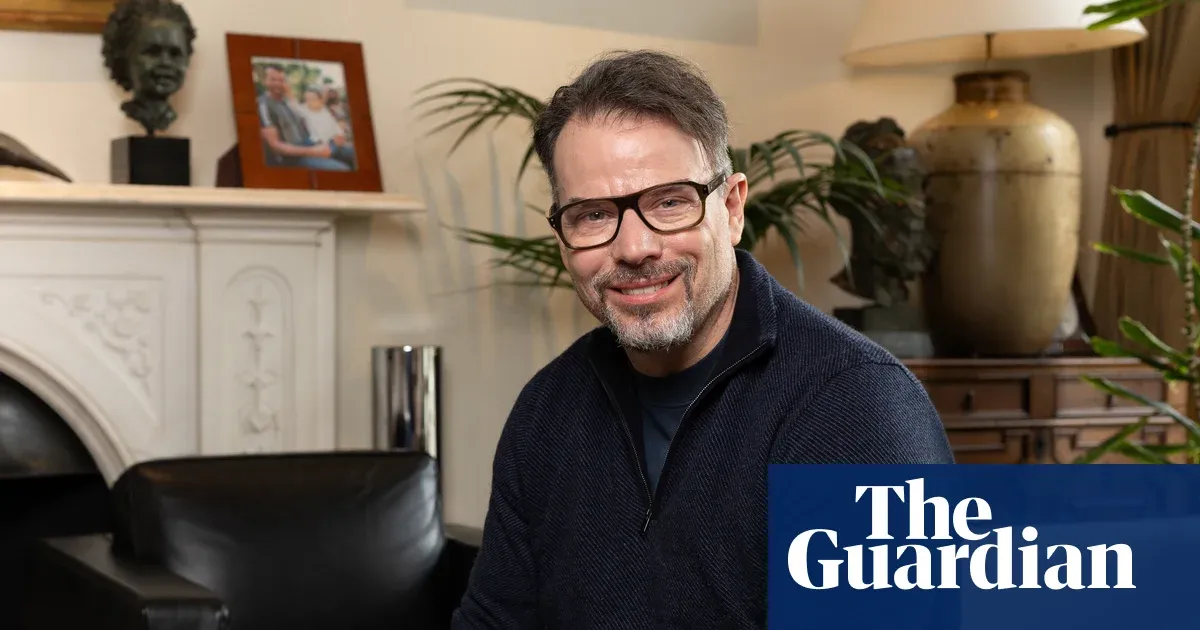
Hedge fund billionaire Chris Rokos, founder of Rokos Capital Management, is preparing to move his residency to Greece and open an Athens office. His exit, after paying £330m in UK tax last year, underscores accelerating departures of Britain's super-rich amid fears of further tax rises.
Chris Rokos, the hedge fund billionaire who paid £330 million in UK tax last year, is preparing to leave the country for Greece. The founder of Rokos Capital Management will move his residency and open an office in Athens, according to Bloomberg. He is the latest in a string of high-profile exits among Britain's super-rich.
The scale of Rokos's tax contribution underscores what is walking out the door. A £330 million annual tax bill from a single individual is not a rounding error; it is the kind of revenue that pays for public services. His decision to relocate comes amid growing fears among the wealthy over further tax rises, a sentiment that has been building as the government looks to close fiscal gaps.
For context, the UK has long been a magnet for hedge fund managers, drawn by London's deep capital markets, legal system, and time zone. But the calculus is shifting. High earners are weighing the benefits of London against the tax burden of staying, and for some, the balance has tipped.
Rokos is not alone. The report describes him as the latest financier to exit, suggesting a pattern that predates his decision. While the source does not name others, the trend has been visible across the industry, with several prominent investors choosing lower-tax jurisdictions in Europe and the Middle East.
The move to Greece is notable because it is not the typical destination. Athens is not Monaco or Dubai. But Greece has offered attractive tax incentives for wealthy foreigners in recent years, including a flat tax regime for new residents. That makes it a rational choice for someone looking to reduce their tax bill while staying within Europe.
For Rokos Capital Management, the shift does not mean abandoning London entirely. Opening an office in Athens suggests a continued presence in Europe, but the center of gravity for its founder will move. That raises questions about where future profits will be booked and how the firm's culture will evolve.
For other executives and boards, the lesson is straightforward. When a billionaire who paid £330 million in tax decides to leave, it is a signal about the perceived cost of doing business in the UK. It is not just about the money; it is about the message it sends to other high earners who are watching.
The strategic stakes are clear. If the exodus accelerates, the UK risks losing not just tax revenue but the talent that drives its financial industry. For now, Rokos's departure is a single data point, but it is a loud one. Decision-makers in finance and policy should treat it as a warning.
This story's Key Insights and Take-aways are locked.
Create a free account to unlock Executive Actions for one credit.
Register to UnlockAlways free for Executives Club members. Join the Club
More in Business
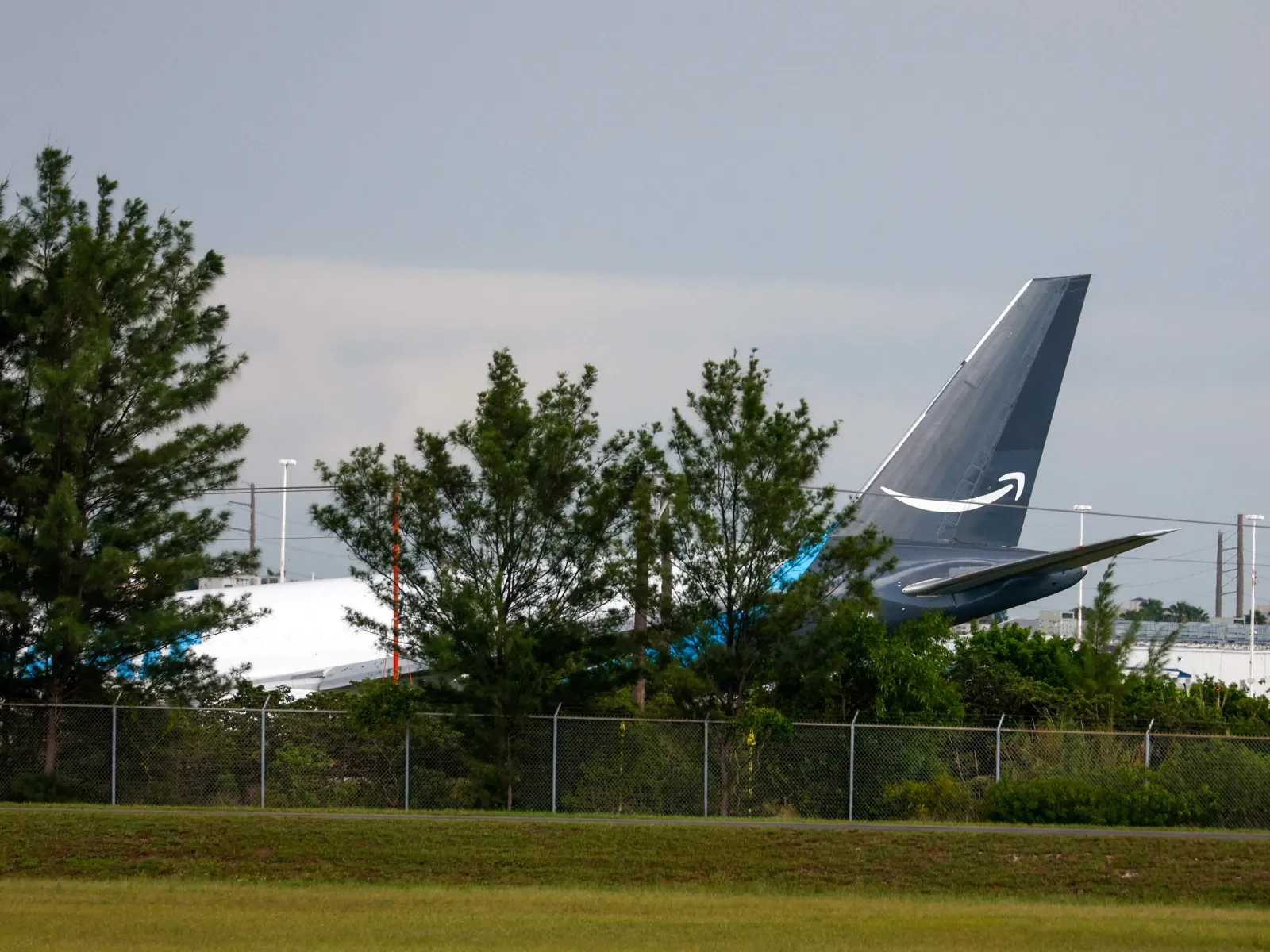
Amazon Prime Air 767 overshoots Miami runway, killing at least 5
The Boeing 767 freighter from San Juan struck vehicles and erupted in flames, prompting a ground stop and a fresh NTSB investigation into Amazon's air cargo network.

Death sentence for TV presenter Sarah Khalifa: Egypt's drug case hits media
The sentencing of Sarah Khalifa and 11 others underscores the severity of Egypt's anti-drug laws and the exposure of public figures to capital punishment.
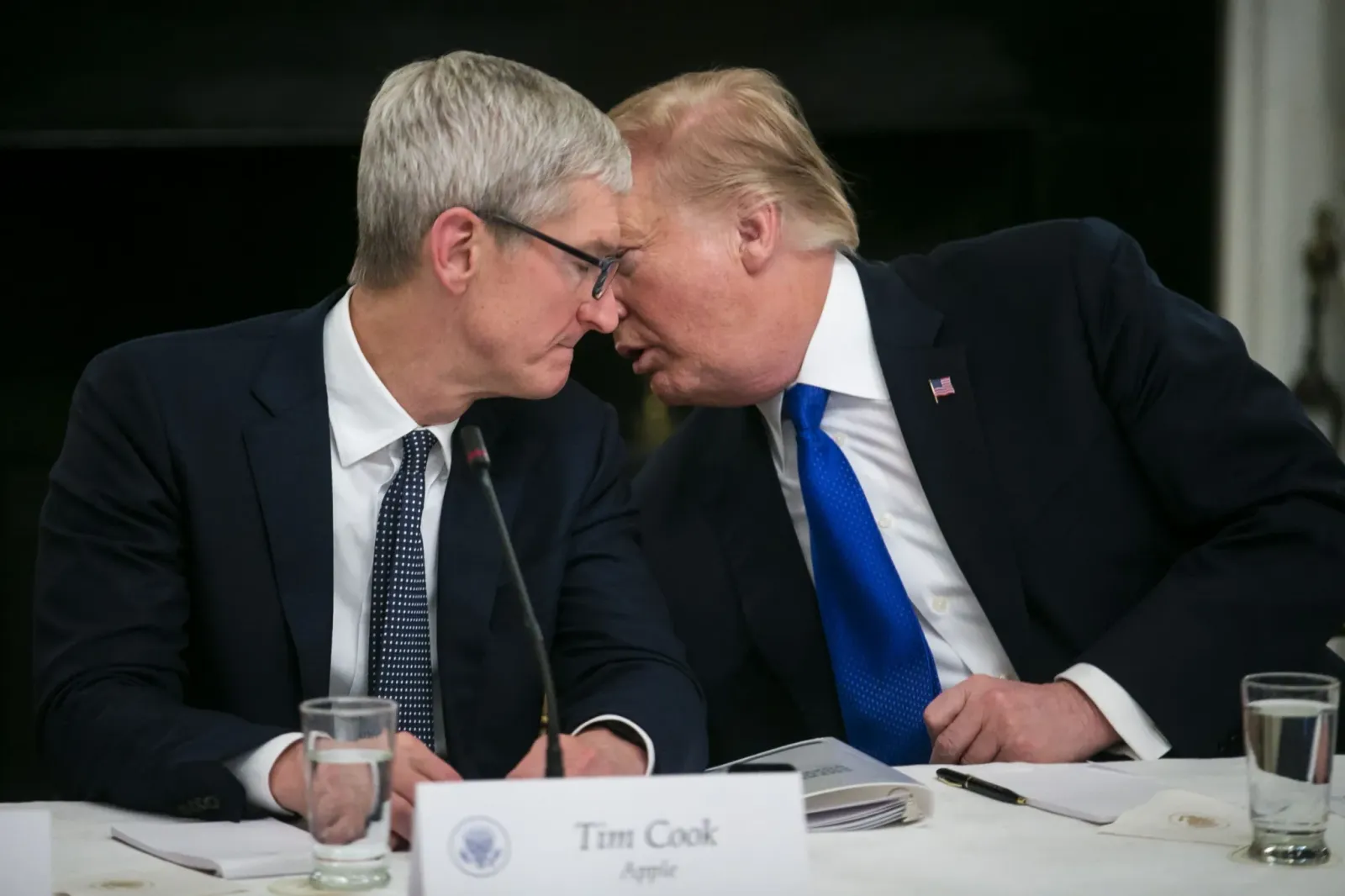
Tim Cook steps down as Apple CEO, stays on as chair with $45M equity
The 'Trump whisperer' keeps his White House and Beijing access as Apple navigates tariffs and a $4.6 trillion market cap.