

BioWare's gone, Mass Effect 5 canceled: 200,000 fans petition EA
The voices of Commander Shepard are backing a 'Save Mass Effect' campaign that gives EA two paths: fund the franchise or license it to someone who will.
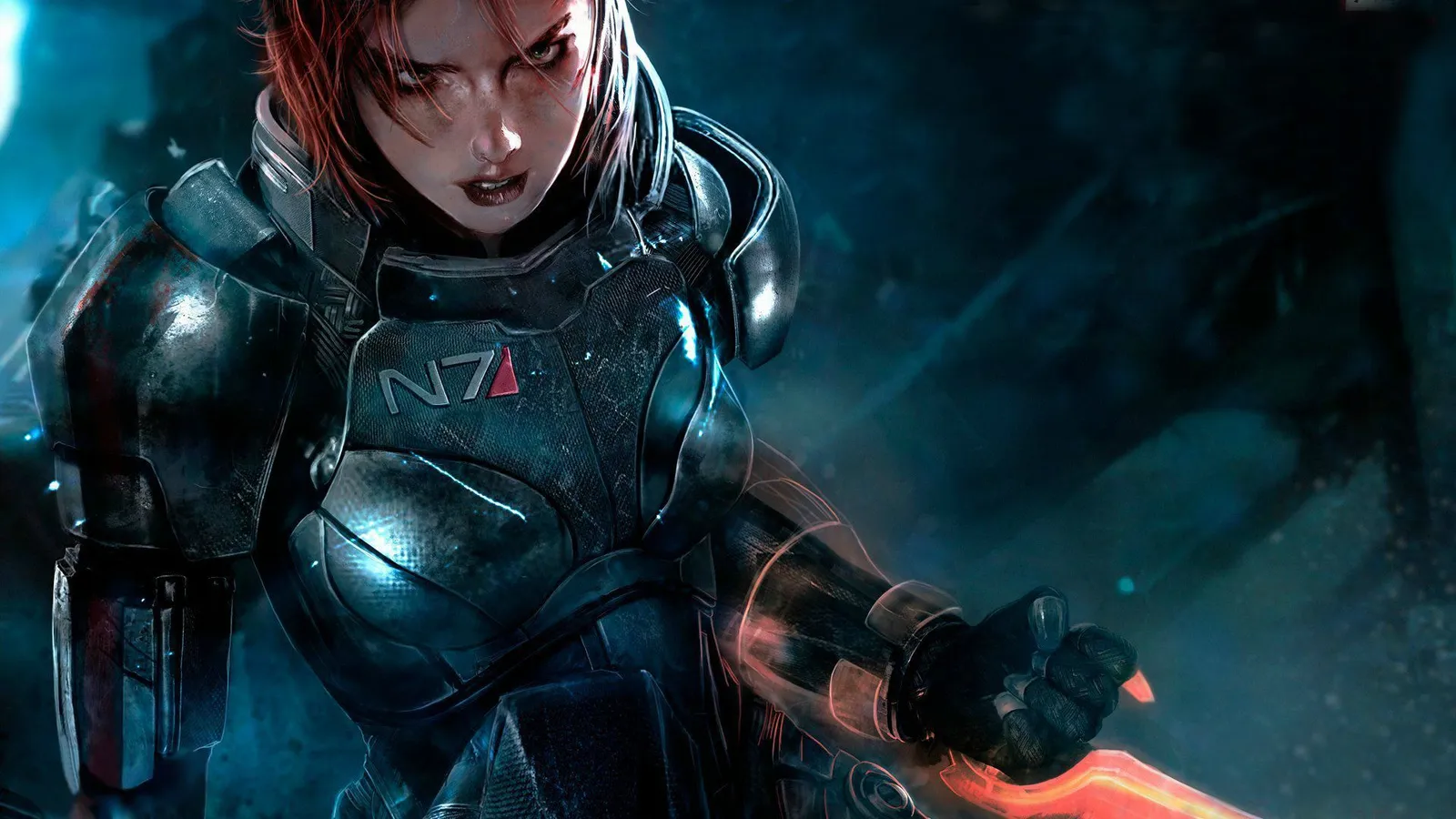
Nearly 200,000 fans have signed the 'Save Mass Effect' petition after BioWare's sudden shutdown and cancellation of Mass Effect 5, with voice actors Jennifer Hale and Mark Meer publicly supporting it. For executives, the mobilization signals that a beloved franchise's fanbase can quickly become a reputational and financial pressure point for its owner.
Nearly 200,000 Mass Effect fans have signed a 'Save Mass Effect' petition in the week since BioWare's sudden shutdown and the cancellation of Mass Effect 5. The campaign has drawn in the voices of Commander Shepard himself: Jennifer Hale, who played the female version of the protagonist, and Mark Meer, who voiced the male version. The petition asks Electronic Arts to take 'decisive action by committing to continued development of Mass Effect' with 'proper funding, adequate staffing, and time allocation to maintain and advance the high standards the franchise is known for.'
The petition stops short of demanding that EA reverse BioWare's fate. Instead, it gives the publisher two clearly worded paths forward. The first is to fund a new Mass Effect game that meets the quality bar the series has set over two decades. The second, if EA is unwilling to spend millions on another standalone title, is to license the franchise 'to another studio that shares the passion and vision to keep it alive and allow it to flourish anew.' The petition's authors argue that either move would 'preserve a cherished piece of gaming history' and 'continue to contribute to the cultural and emotional impact it has on gamers worldwide.'
Voice actors have moved from moral support to active advocacy. Jennifer Hale posted a video floating a future where a fan Kickstarter campaign, a game studio, and a group of investors could work together to restore the series. Mark Meer followed with his own video, telling fans to 'hold the line' and 'save Mass Effect' before directing them to the petition. When the two most recognizable voices from a flagship franchise publicly call out a publisher, it turns a grassroots signature drive into a broader narrative about who truly owns a fandom.
The petition's urgency is amplified by reporting on a leaked 'Mass Effect Universe' project. That title reportedly featured 'Hitman-style freedom' and a 'galactic Cold War,' according to a BioWare insider. With BioWare now shut down and Mass Effect 5 canceled, the franchise's only confirmed future sits in the hands of a publisher that just closed the studio responsible for its legacy. The gap between what fans expected and what they have been told to accept is exactly what fuels a petition this size in this short a window.
BioWare's closure and the cancellation of its most recognizable series is a reminder that fan goodwill is an asset that can turn into a liability almost overnight. As more studios face consolidation, layoffs, and abrupt shutdowns, communities that have spent a decade-plus inside a fictional universe are no longer just players; they are stakeholders with a megaphone. The Mass Effect petition is not a niche forum post - it is a week-old movement with nearly 200,000 verified names and the endorsement of the actors who defined the series' iconic protagonist.
The licensing proposal points to a growing strategy in entertainment: monetizing dormant IP through external studios rather than letting it depreciate on a shelf. For EA, the decision is about whether to allocate capital to a franchise whose audience has just demonstrated extraordinary mobilization, or to hand the keys to another developer and collect licensing revenue while keeping the brand alive. In a capital-constrained environment, this is a real option, not just a fan fantasy.
For executives in gaming, media, and consumer technology, the stakes are clear: a franchise's value is partly owned by its audience, and that audience can organize faster than many corporate planning cycles. Ignoring that reality can turn a signature campaign into a sustained PR problem, complicating talent recruitment, investor conversations, and the next launch cycle. The Mass Effect petition is a live case study in what happens when the people who love a product decide they are its most committed shareholders.
This story's Key Insights and Take-aways are locked.
Create a free account to unlock Executive Actions for one credit.
Register to UnlockAlways free for Executives Club members. Join the Club
More in Business
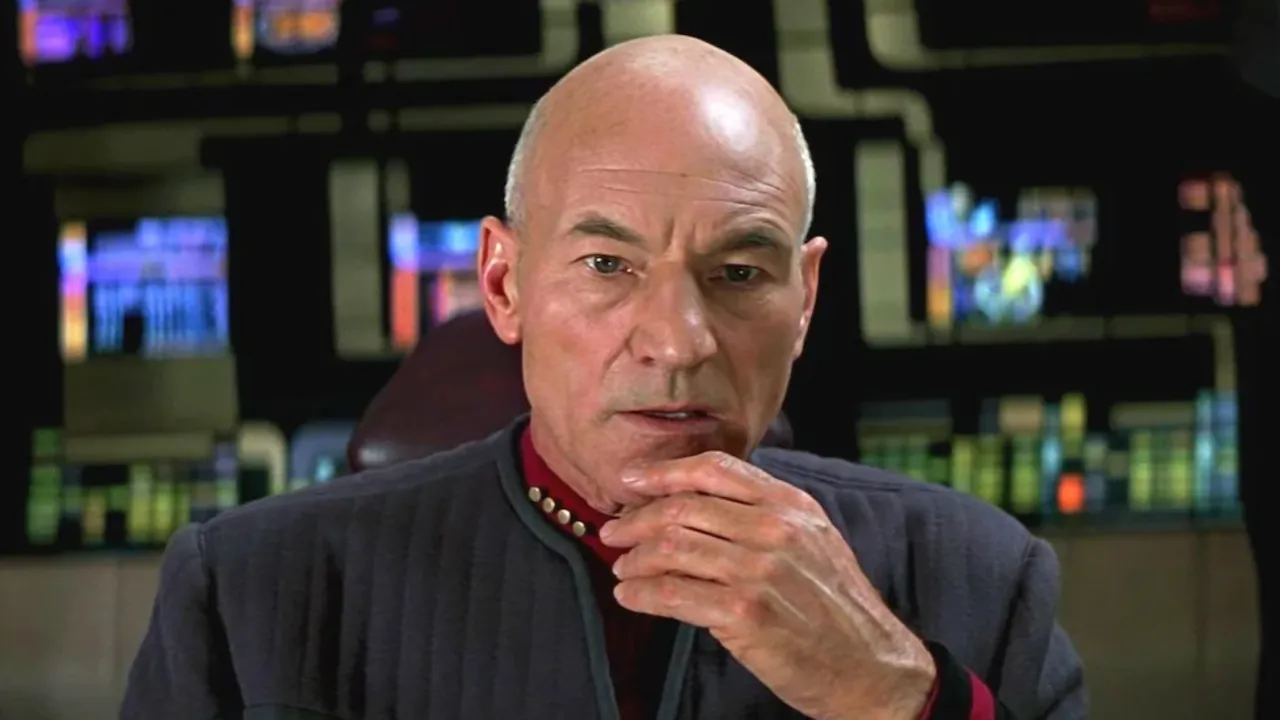
Patrick Stewart, Star Trek's Picard, dies at 86 with one final role still to come
The beloved actor's last screen appearance lands Dec. 18 in 'Avengers: Doomsday' - a posthumous curtain call that will test the pull of a two-franchise icon.

Binance scrambles to claw back $6.3B stolen in North Korea-linked hack
The world's largest crypto exchange faces the biggest heist on record, and the recovery effort will test the limits of blockchain forensics.

North Korea's TraderTraitor unit blamed for Binance's record $6.3bn heist
The largest crypto theft on record has rattled markets, slashed billions from token values, and put Binance's security revamp under the spotlight.