

BofA hired 1,000 contractors to fix flaws Anthropic's AI exposed
1,000 contractors, one bank: the hidden cost of AI security.
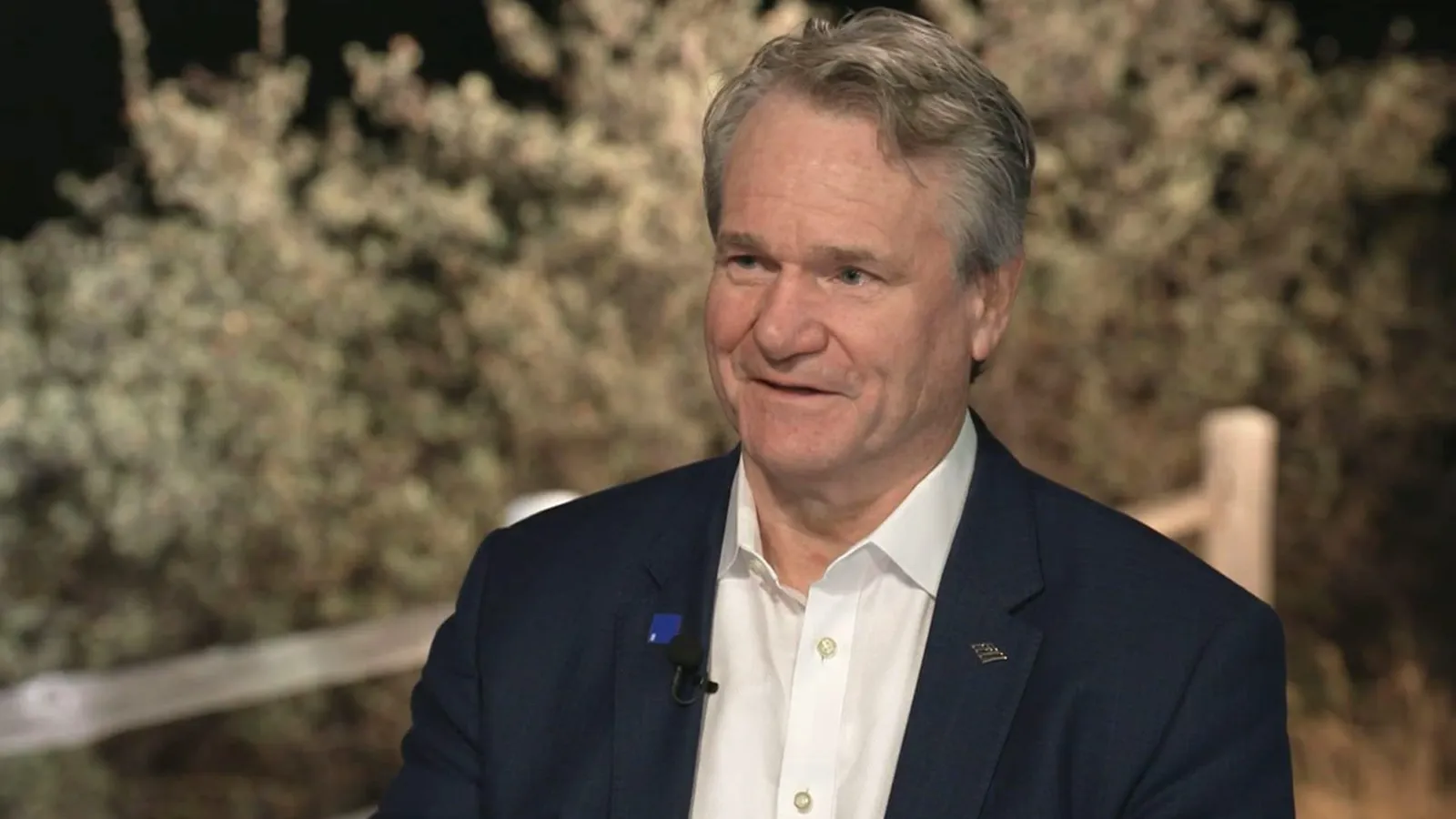
Bank of America hired 1,000 contractors to patch software flaws exposed by Anthropic's Mythos, a rare look at the cost of defending against AI. The move signals that AI-driven vulnerability discovery is now a board-level risk with a real price tag.
Bank of America has hired 1,000 contractors to patch software flaws exposed by Anthropic's Mythos, according to a CNBC report. The number is striking: a thousand extra people brought in to fix what an AI found. It is a rare, concrete look at the price of defending against AI, and that price is measured in human labor.
Mythos is an AI system from Anthropic, the company behind the Claude chatbot. The report does not detail exactly how Mythos works, but the implication is clear: it scanned Bank of America's software, found vulnerabilities, and the bank had to scramble to close them. The 1,000-contractor response shows that AI can find flaws faster than a typical security team can fix them. This is not a theoretical exercise; it is a live operational challenge.
For context, banks operate under strict regulatory scrutiny. A single unpatched vulnerability can lead to data breaches, fines, and reputational damage. Bank of America, one of the largest US lenders, cannot afford to leave known flaws open. Hiring contractors is a fast, if expensive, way to scale up remediation capacity without a long hiring cycle. Regulatory frameworks such as the New York Department of Financial Services cybersecurity rules and the Gramm-Leach-Bliley Act require financial institutions to maintain robust vulnerability management programs. A known but unpatched flaw could be seen as a compliance failure, adding legal risk to technical risk.
The cost is significant. While the report does not give a dollar figure, 1,000 contractors for even a few months would run into tens of millions of dollars. Specialized security contractors command premium rates, and the urgency of the work likely adds an overtime premium. That is a meaningful line item, and it offers a rare data point for an industry that usually keeps security spending opaque. It also suggests that AI red-teaming tools like Mythos are not just a novelty; they are generating real work at a scale that demands a human response.
This is a second-order effect of the AI arms race. On one side, attackers can use AI to find and exploit weaknesses faster. On the other, defenders can use AI to find their own weaknesses first. But finding is only half the battle. The other half is fixing, and that still requires humans. The Bank of America move highlights a bottleneck: AI accelerates detection, but remediation remains labor-intensive. This is a fundamental shift in cybersecurity economics. Previously, the constraint was discovering vulnerabilities; now, with AI, the constraint is patching them. Historically, security teams spent most of their time on detection, but AI is flipping that ratio.
For other enterprises, the lesson is to prepare before the scanner runs. If you deploy an AI security tool, you need a plan for the findings. That might mean pre-negotiated contractor agreements, automated patching systems, or a larger in-house team. The bank's move also signals to vendors like Anthropic that their tools can create demand for services, and that the responsibility for discovered flaws does not end with the report. A tool that finds thousands of vulnerabilities is only useful if the customer can actually fix them. This could lead to new partnerships between AI vendors and managed security service providers, or to AI tools that not only find flaws but also suggest or even implement patches.
The strategic stakes are clear. Boards and executives should expect AI-driven vulnerability discovery to become standard practice. The cost of not using it is higher: a breach could be far more expensive than a thousand contractors. The Bank of America example is a preview of a new normal, where the question is not whether AI will find your flaws, but whether you are ready to fix them. For financial institutions, this is a governance issue. Cybersecurity is no longer just an IT problem; it is a financial and reputational risk that belongs on the board agenda. The 1,000-contractor hire is a tangible example of how AI is reshaping the cost structure of security. Companies that ignore this trend may find themselves caught off guard when their own AI tools, or a competitor's, expose flaws. For peers in banking, insurance, and healthcare, the takeaway is to stress-test your own software with AI before an attacker does.
This story's Key Insights and Take-aways are locked.
Create a free account to unlock Executive Actions for one credit.
Register to UnlockAlways free for Executives Club members. Join the Club
More in Technology
AI researcher's 26,000-word claim: Neural nets aren't tangled after all
Nick Cammarata's Goodfire post has the AI world split - if he's right, monitoring frontier models just got a lot easier.

A Chinese rocket deorbited over Minnesota and landed in a farmer's cornfield
Experts tied the fragment to LandSpace's Zhuque-2E, which launched on September 15 and shed debris over the American Midwest after deploying 10 satellites.

JPMorgan Chase deploys first $5B into defense tech and hypersonic missiles
The bank is moving off its balance sheet to back robot factories, hypersonic missiles, and supply chains, signaling a new era of bank-backed military innovation.