
Bosch returns to Prime Video next month, reviving Titus Welliver’s detective role
Amazon schedules Bosch: Legacy’s next spin-off sooner than expected, and it could reshape how series get reinvested.
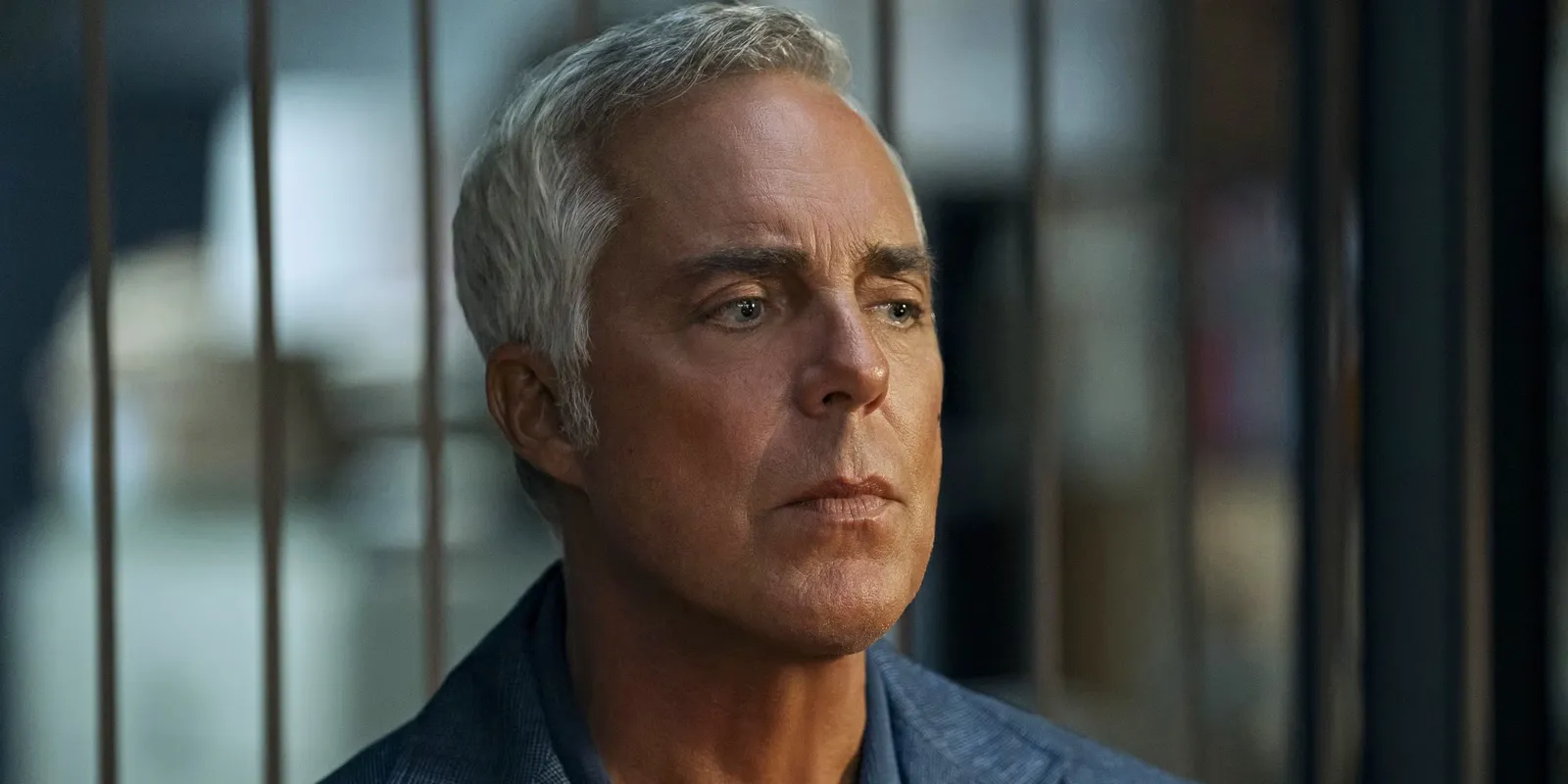
Titus Welliver’s Bosch franchise returns to Prime Video next month with a brand-new release coming this summer. For decision-makers, it’s another proof that Prime Video treats long-running IP as a durable revenue machine, even after cancellations.
Titus Welliver’s Bosch officially returns to Prime Video next month, and this time it is for a brand-new release coming this summer. The schedule matters because Bosch has already survived two endings of its own story: the original series ran from 2014 and wrapped in 2021, then the franchise was rebooted as Bosch: Legacy, only to be canceled after three seasons. Still, Amazon did not stop reinvesting in the character and the world around him. It kept the franchise alive through multiple spin-offs, with one set to arrive as soon as next month.
If you are tracking Prime Video’s strategy, this is the pattern behind the headlines. Prime Video built flagship properties over the last 10 years, and Bosch has been one of its best performers on that investment. Welliver first suited up as the LA-based detective in the 2014 premiere of Bosch, and the series continued with new seasons regularly until it reached what the source calls a natural end in 2021. The important detail is not just that a successful show ended. It is that Amazon moved quickly to reuse the equity: Welliver came back for Bosch: Legacy, which delivered popularity similar to its predecessor, even though it still landed a cancellation after three seasons. Then the franchise kept going anyway, through spin-offs.
From an operator and board perspective, the move is interesting because it breaks the usual expectation that cancellations close the door. Bosch: Legacy being canceled after three seasons might look like a stop sign, but the broader franchise stayed “going strong,” according to the source, and the next spin-off is now coming as soon as next month. In other words, the decision is not simply “renew or cancel.” It looks more like “route the investment.” Keep the brand, adjust the format, and shift the product while the underlying demand remains.
There is also a business logic baked into Prime Video’s treatment of established television IP. Long-running franchises come with built-in audiences, recognizable characters, and the kind of repeat viewers streaming services love. That reduces some of the risk compared to launching something entirely new. When the source says Bosch delivered strong returns on investment over the last 10 years, it is describing the economics behind that logic: Amazon can run the same brand like a portfolio, not a single bet.
The regulatory framing here is indirect but real. Streaming is not just content, it is a global pipeline into markets with different rules on classification, licensing, and consumer protections. While the source does not cite specific regulations, the practical implication for decision-makers is how content plans are built to remain flexible across territories and platforms. A schedule slip or platform change can ripple through licensing windows and marketing commitments. That is why the phrase “officially returns sooner than expected” is more than entertainment trivia. It signals that Prime Video is actively managing release timing and pipeline throughput for an asset it already knows performs.
Second-order implications show up in how boards evaluate long-cycle assets. If a franchise can be canceled, then revived, then extended through spin-offs, then “season count” becomes less of the scorecard. Instead, leadership teams may evaluate retention and engagement across the whole ecosystem: character recognition, audience overlap, and how quickly new installments can launch without starting from zero. The Bosch timeline is a case study in that approach: 2014 launch, ongoing seasons until 2021, a Legacy return, cancellation after three seasons, and then continuing spin-offs that are now reaching the audience again.
Finally, there is a strategic takeaway for peers. If you are an exec at another studio, streaming platform, or network, Bosch offers a roadmap for how established IP can outlive individual series. The stakes are straightforward: the cost of creating and marketing new shows is high, and audience attention is scarce. Amazon’s willingness to keep investing, even after cancellations, suggests that the platform views Bosch as a durable asset that can be refitted to match the moment. For viewers, it means more detective drama from the same core DNA. For decision-makers, it means one thing above all: when an IP has proven returns, the end of a series is not necessarily the end of the franchise.
This story's Key Insights and Take-aways are locked.
Create a free account to unlock Executive Actions for one credit.
Register to UnlockAlways free for Executives Club members. Join the Club
More in Entertainment

Serena Williams accepts a Wimbledon wildcard to return to singles later this month
A surprise wildcard puts Serena back in singles at Wimbledon, forcing tournament, commercial, and competitive planning to adapt fast.

Sjoerd De Jong exits Epic after 12 years, calls Unreal’s pivot era “pivotal”
The former Unreal “lead evangelist” says his chapter ends as Unreal Engine 6 and open standards take center stage.
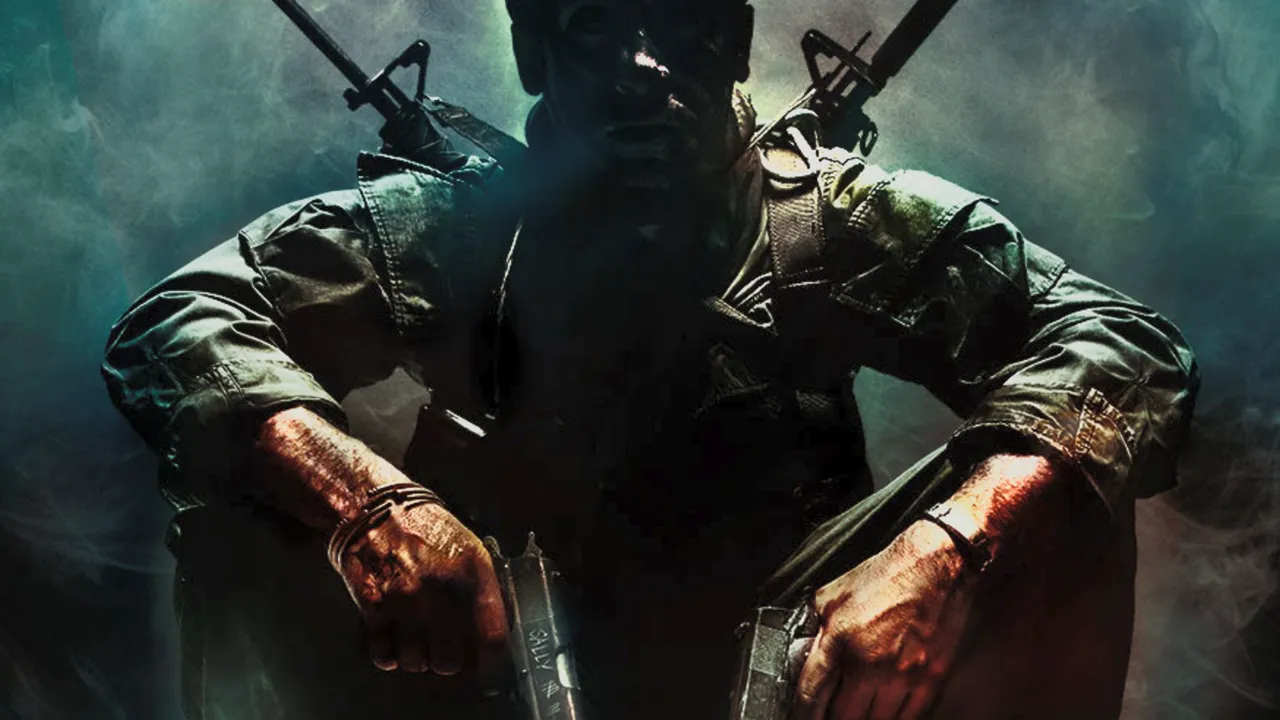
Microsoft lists Black Ops 1 and 2 at $40 on Xbox, no DLC
PlayStation ports are coming next month as price signals raise the risk of $140 for both games and passes.