
Serena Williams accepts a Wimbledon wildcard to return to singles later this month
A surprise wildcard puts Serena back in singles at Wimbledon, forcing tournament, commercial, and competitive planning to adapt fast.
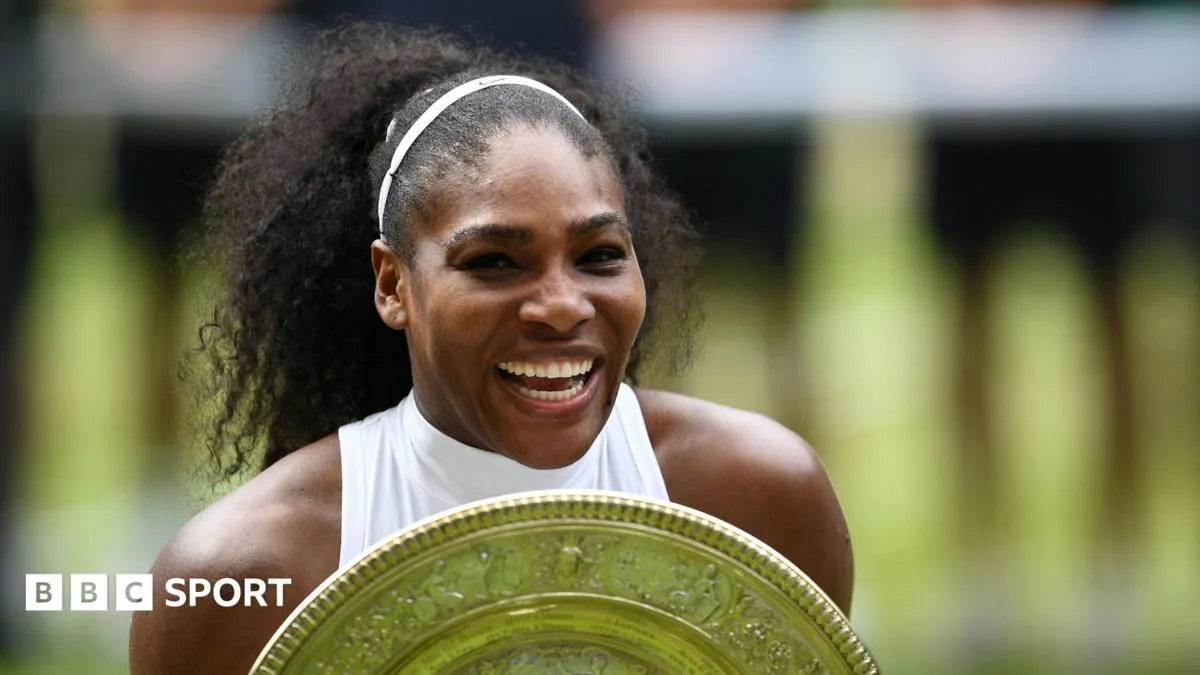
Serena Williams will return to singles action at Wimbledon later this month after accepting a wildcard. For decision-makers, it changes the competitive and operational assumptions behind the Championships, from draw dynamics to partner-facing visibility.
Serena Williams is set to return to singles action at Wimbledon later this month after accepting a wildcard. That wildcard is the pivot point. It turns what looked like a potential side project into an actual singles comeback, at the sport's most scrutinized venue.
For the people who build tournaments, markets run on certainty. The field affects scheduling, ticket demand patterns, broadcaster planning, and sponsor storytelling. A wildcard can feel like a procedural footnote. This one is not. Williams is not a random name in the draw. Her acceptance of a singles wildcard immediately reframes the competitive picture and the commercial gravity around the Championships.
Wimbledon runs on a mix of tradition and tight operational logic. Players are slotted through a structured process, but wildcards exist for flexibility, mainly to ensure that the tournament reflects both sporting merit and broader narratives that resonate with audiences. In plain terms: wildcards are how Wimbledon can still be Wimbledon when the calendar or the sport's real world does not cooperate.
This is where Serena’s situation matters beyond the baseline headlines. Serena Williams has been one of the most recognizable competitors in tennis, and when an athlete of that profile re-enters singles, it changes how everyone else calibrates expectations. Opponents must re-check matchups and styles. Coaches and analysts must update scouting priorities and match-week game plans. Media schedules and highlight packages also shift. Even if the on-court result is unknown, the information value of her participation is immediate.
There is also a second-order effect for anyone thinking about career pathways and return arcs. A wildcard does not simply grant entry. It signals that the player has a realistic runway for competition at the highest level, at least within the tournament's specific window. That can influence how other players and their teams think about timing, readiness, and how to engage with tournament organizers when the ranking route does not line up.
Then there is the business side. Major events like Wimbledon are marketplace engines. They are where attention gets converted into revenue streams, from broadcasting rights to hospitality demand to brand activations. Serena’s return to singles after accepting a wildcard is the kind of development that creates additional demand uncertainty, which is good for the event but disruptive for everyone doing internal forecasting. In executive terms, her participation is an input that should be stress-tested across the usual planning models: projected viewing interest, ticket pacing, and sponsor messaging.
For tournament stakeholders, the key is speed. When a headline like this lands, contingency plans need to be revisited quickly. Draw changes may not occur in the way fans imagine in the moment, but the competitive storytelling changes instantly. Serena’s games become a focal point for narrative coverage, and that affects the rhythm of daily coverage across the tournament's broadcast windows and digital platforms.
For competitors and for their leadership teams, the strategic stakes are sharper than they look. The return of a historically dominant champion, even as a comeback attempt rather than a guaranteed run to the final, raises the variance of the tournament outcomes. It forces other players to respect the possibility of early danger and it complicates bracket assumptions. In tennis, the sport's rhythm rewards match preparedness and mental focus more than most people realize. A high-profile wildcard adds both unpredictability and pressure.
So while the source fact is simple, the implications are not. Serena Williams will make a surprise return to singles action at Wimbledon later this month after accepting a wildcard. That single decision reverberates through draw planning, opponent preparation, and the commercial narrative of the Championships. For executives across sports, media, and event operations, it is a reminder that one administrative choice can reshape the entire competitive and business landscape in a matter of days.
This story's Key Insights and Take-aways are locked.
Create a free account to unlock Executive Actions for one credit.
Register to UnlockAlways free for Executives Club members. Join the Club
More in Entertainment
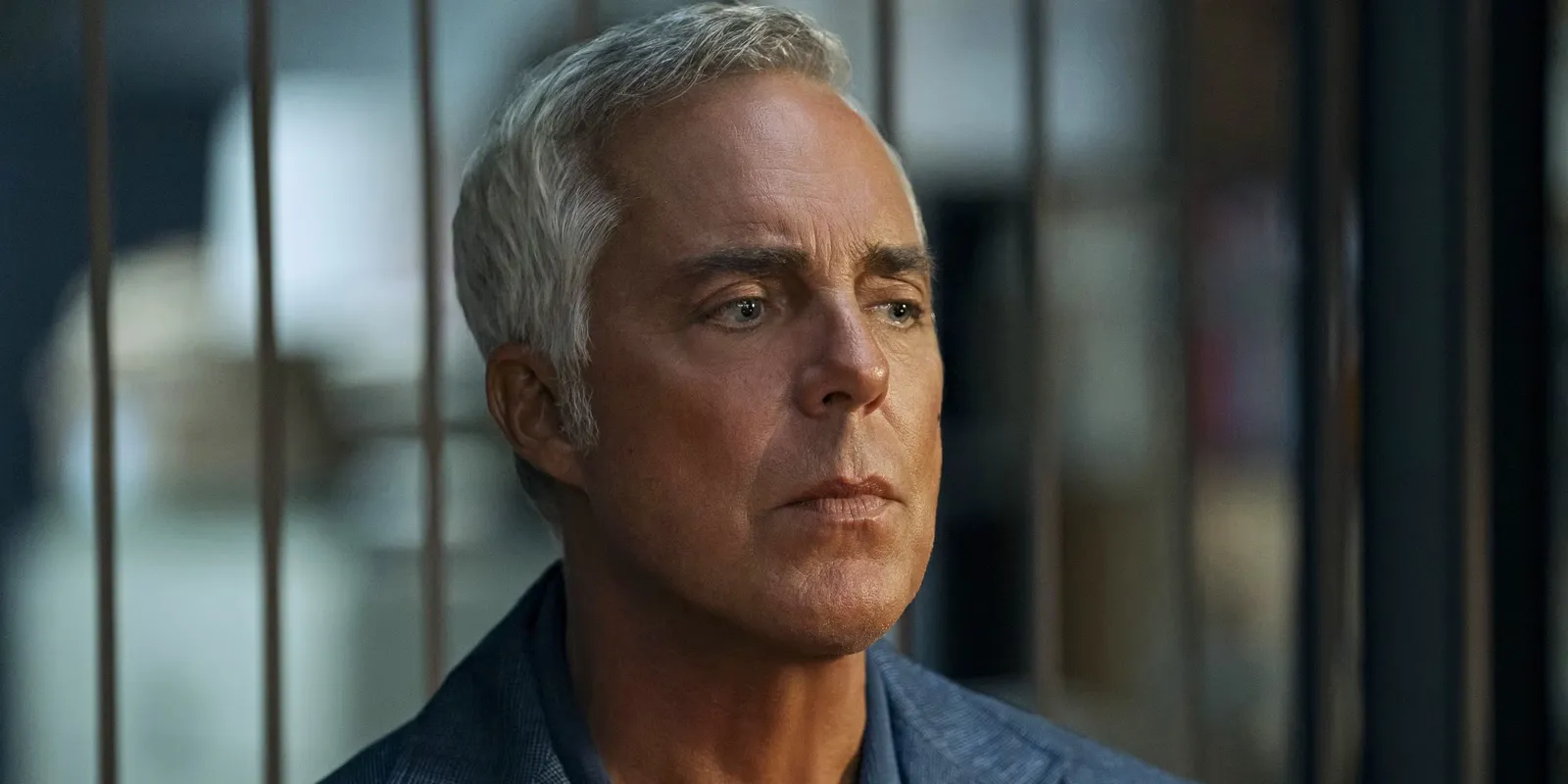
Bosch returns to Prime Video next month, reviving Titus Welliver’s detective role
Amazon schedules Bosch: Legacy’s next spin-off sooner than expected, and it could reshape how series get reinvested.

Sjoerd De Jong exits Epic after 12 years, calls Unreal’s pivot era “pivotal”
The former Unreal “lead evangelist” says his chapter ends as Unreal Engine 6 and open standards take center stage.

Microsoft lists Black Ops 1 and 2 at $40 on Xbox, no DLC
PlayStation ports are coming next month as price signals raise the risk of $140 for both games and passes.