
Brunson and Hart confront Stephen A. Smith after Knicks title parade theater boos
What started as a podcast taping turned into a public reckoning between Knicks stars and a polarizing ESPN voice.
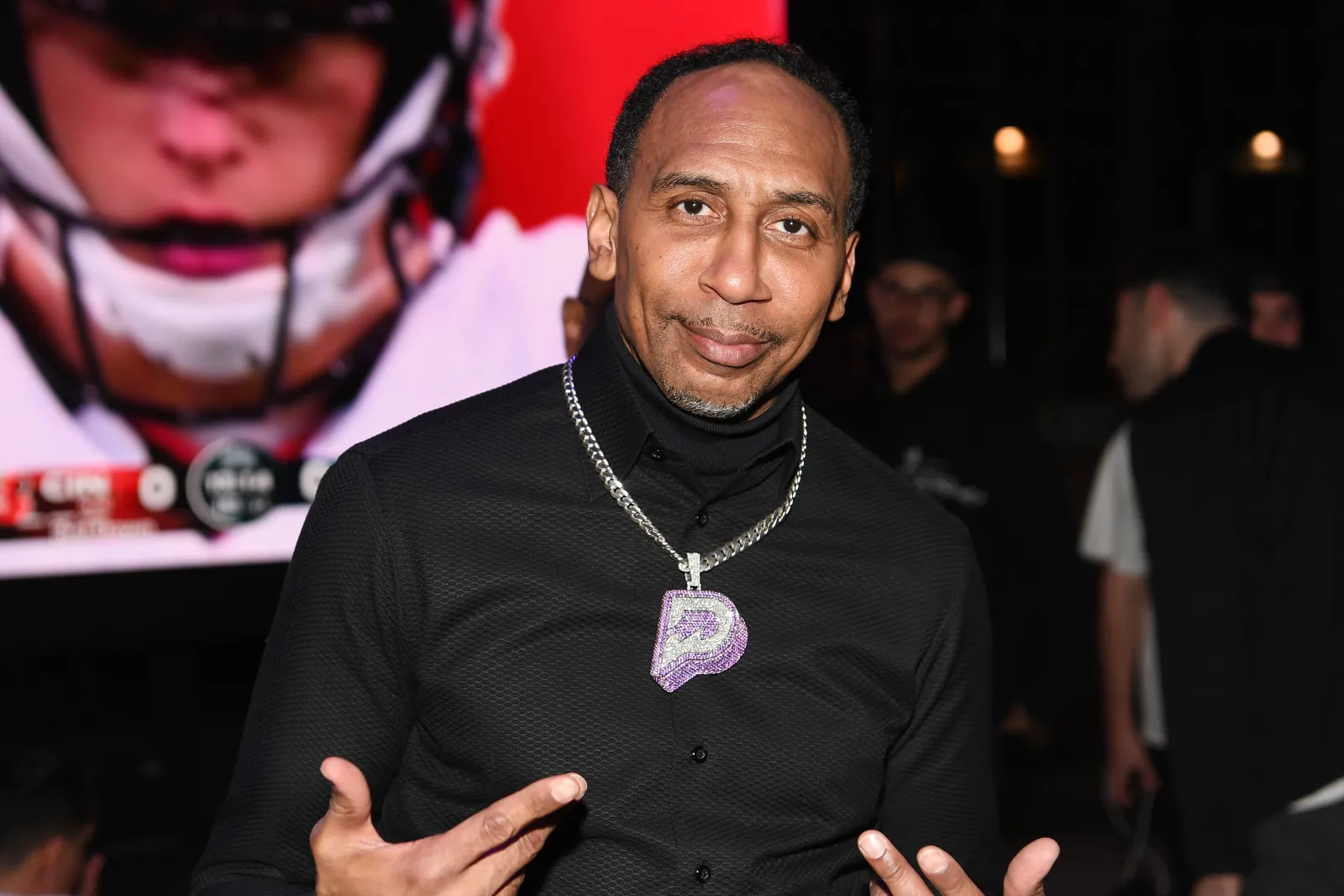
Jalen Brunson and Josh Hart confronted ESPN’s Stephen A. Smith during a podcast taping after he was booed out of a theater. The public friction adds a new layer to how sports media handles megahyped moments and audience pushback.
New York Knicks fans have been living in highlight reels for a week, and it spilled into the audio business fast. Just one day after an estimated two million people flooded the streets of Lower Manhattan to catch a glimpse of the Knicks’ ticker-tape parade celebrating the team’s first NBA title in 53 years, stars Jalen Brunson and Josh Hart appeared to have had enough of Stephen A. Smith’s presence in the moment.
According to Variety, Brunson and Hart confronted ESPN’s Stephen A. Smith during a podcast taping, and the confrontation was tied to Smith being booed out of a theater. In other words, this was not backstage drama. It was a public, audible clash, happening in the middle of peak Knicks celebration, with ESPN’s biggest personality getting challenged by the very kind of audience that normally eats up the sports-media ecosystem.
That matters for executives because it highlights how quickly sports fandom turns from spectator mode to enforcement mode. During a celebration like a first championship parade after 53 years, fans are not just watching a brand. They are protecting a feeling. When a prominent media figure arrives, they bring a separate narrative: opinions, takes, and a long track record of being loved, hated, and relentlessly debated. The second-order risk for any media company is that the crowd stops treating the segment as entertainment and starts treating it as a referendum.
This is where incentives collide. On one side, there is the sports-media machine that relies on recognizable voices and repeat formats like podcast tapings, because familiarity is the product. On the other side, there is the live audience incentive, which is simpler. Fans want respect for the moment they worked to celebrate. If the crowd signals disapproval hard enough, it can reframe everything around the event: the tone, the safety posture, and even the edit decisions downstream.
Variety’s framing also matters for governance and operations. When athletes and media personalities share space, the interaction becomes content, but it is also an operational risk. Teams and leagues usually think in terms of logistics and brand safety during high-attention days. Media companies think in terms of production capture and audience engagement. Neither always fully models what happens when the fan base treats the studio-like space as just another part of the parade grounds.
The Knicks context is not incidental. The ticker-tape parade was a once-in-a-generation moment: an estimated two million people in Lower Manhattan, celebrating the franchise’s first NBA title in 53 years. That kind of scale changes the behavior of everyone in the system. Staff are on faster schedules. Celebrities are more likely to get pulled into public-facing moments. And media personalities are more likely to become targets simply because they are visible.
For boards and senior leaders, the operational lesson is that “content strategy” cannot be separated from “audience behavior.” In the short term, the segment is about personalities. In the long term, it becomes about trust: whether the media brand feels welcome in the spaces that matter most to the audience. If the audience decides the brand is the problem, the brand can lose control of the narrative in ways that are hard to reverse with marketing.
There is also a platform implication. Podcasts and live events usually assume a certain level of audience compliance. Even when fans are loud, the expectation is that the event stays within the rules of the production environment. But if Smith was booed out of a theater, that implies the rules were tested and breached at least socially. Once that happens, executives have to treat audience hostility as more than a “comments section” issue, because it can physically redirect the interaction.
Finally, peers should treat this as a warning about timing. The Knicks festivities were still unfolding, not months later after the hype cycle. That means reputational impact, and the likelihood of virality, were higher. Executives in sports, entertainment, and media should take note: in the thick of a major cultural sports moment, even an ordinary production like a podcast taping can become a public confrontation with consequences for brand perception and stakeholder relationships. Brunson and Hart confronting Stephen A. Smith is a reminder that the “audience voice” can show up in real time, not just in ratings.
This story's Key Insights and Take-aways are locked.
Create a free account to unlock Executive Actions for one credit.
Register to UnlockAlways free for Executives Club members. Join the Club
More in Entertainment
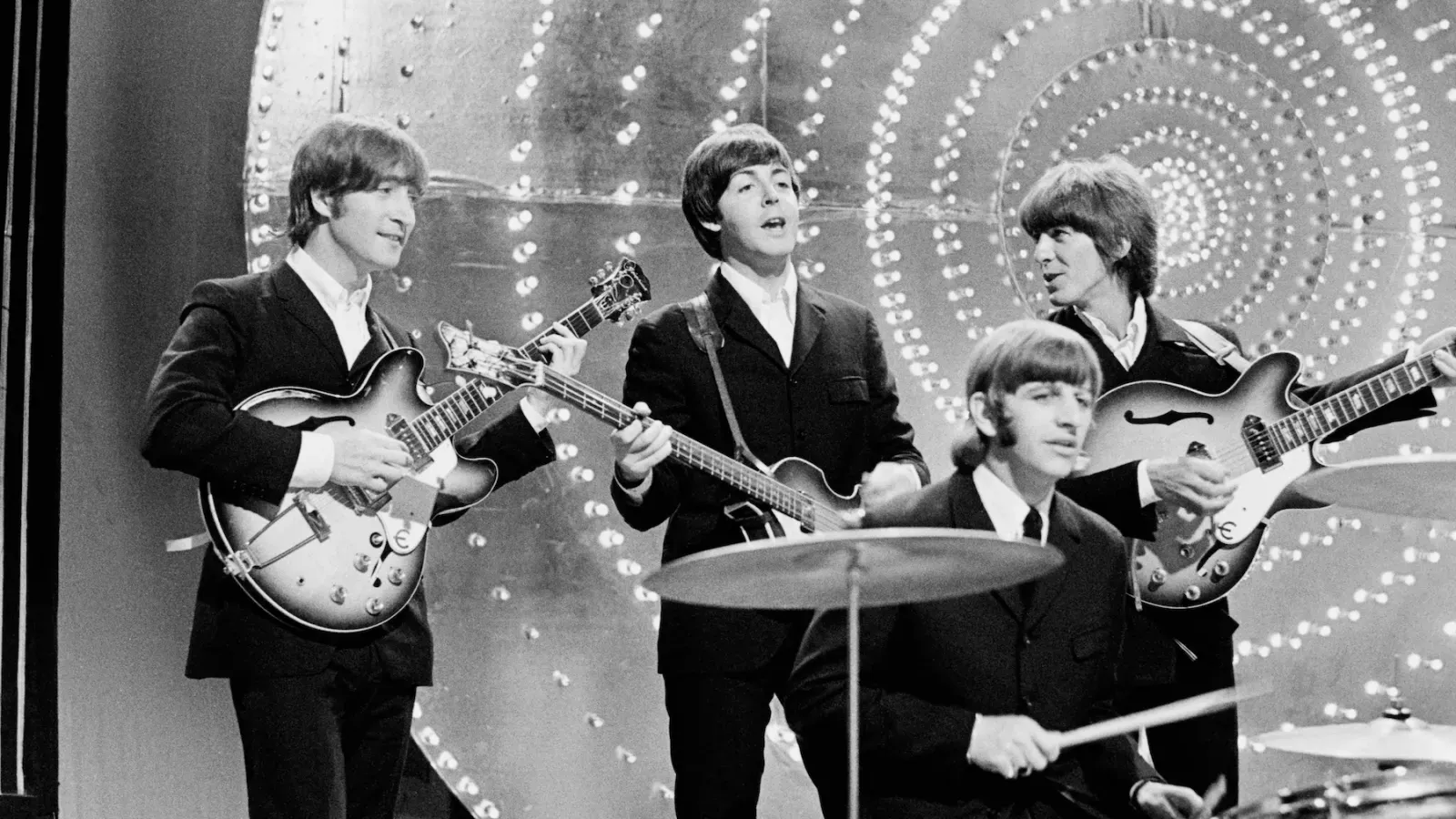
BBC erased The Beatles 1964 Top of the Pops clip, but 35mm footage survived
A lost Beatles performance is back thanks to British conservationists, turning media archival risk into real leverage.
Ubisoft co-founder Claude Guillemot dies in June 19 plane crash
The Ubisoft co-founder behind breakout franchises is gone, forcing the company to absorb shock and preserve continuity.
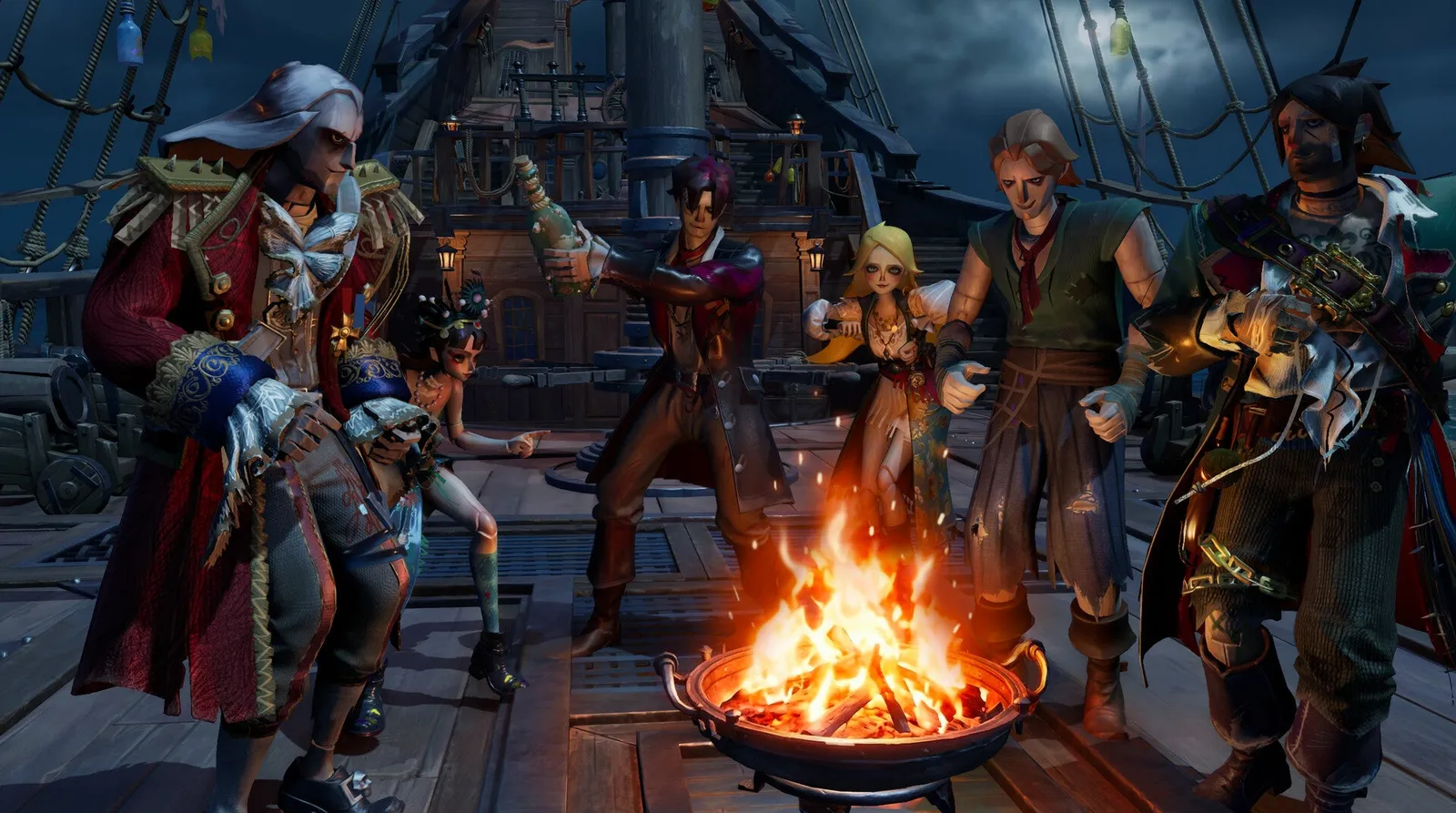
Sea of Remnants turns ship combat into Kraken chaos, then wipes you completely
A Summer Game Fest 2026 demo shows gorgeous puppet-punk oceans, turn-based crew fights, and a time-slowing boss ambush.