
Bungie cuts most Destiny 2 staff as Sony says Marathon still matters
Herman Hulst confirms layoffs affecting most Destiny and some Marathon teams after Bungie admits Destiny fell short.

Sony Interactive Entertainment CEO Herman Hulst says Bungie will cut a significant workforce, affecting most of the Destiny 2 team and some Marathon team members. The studio links the decision to Destiny 2 “fall[ing] short of expectations” and Marathon’s continued importance to Sony’s portfolio.
Bungie is laying off most of its Destiny 2 team and some Marathon developers, according to a memo and statement shared by Sony leaders after Bungie announced a reduction in force. In the post on Bluesky, Bungie’s account says it is reorganizing because Destiny 2 “fell short of expectations these past several years,” and that, after the “final content update” to Destiny 2, the company “could not continue operating at our previous size.”
The decision hits hard because Destiny 2 had just received its final update a little over two weeks earlier, and that update still managed to bring the game its highest player count in years. In other words, the product briefly did what it needed to do. The company still says it was “too late,” and now it is shrinking the team behind both Destiny 2 and parts of Marathon as future projects are still in early incubation.
From a portfolio and capital-allocation perspective, this is the moment where “execution” stops being a technical problem and becomes a balance-sheet problem. Bungie’s statement frames the layoffs as alignment with “future projects still in early incubation,” while Sony’s broader financial context adds pressure to the narrative. Earlier this year, Sony announced it had an impairment loss of $765 million on the studio over the last financial year. When impairment is already on the books, the tolerance for burning cash while waiting for a rebound tends to compress fast, even if a game’s end-of-life patch can temporarily spike interest.
Sony CEO Herman Hulst laid out the operational details in an internal email published on the Sony website. He says Sony has made the decision to reduce Bungie’s workforce, “affecting a significant number of employees, including most of the Destiny team and some Marathon team members.” Hulst also notes “reductions across SIE teams that support Bungie’s operations,” and that impacted employees are being informed “today.” The exact number of affected employees was not confirmed in the materials, but the specificity about which studios are hit matters: it is not just a small trimming. It is a structural cut across the two big Bethesda-like bets Bungie was supposed to carry forward.
Bungie’s own statement adds why the cut could not wait. It says Destiny 2 fell short “these past several years,” and connects the size reduction to the fact that Bungie’s future projects are still “in early incubation.” That phrase is a quiet but important signal for executives: incubation is expensive, and it is uncertain. If leadership believes it needs fewer parallel workstreams to concentrate resources, layoffs become a financing lever as much as an organization lever. Hulst’s memo says that “over the past several months,” Sony and Bungie leadership “reviewed the studio’s long-term direction, development priorities, resource needs, and role within our broader portfolio strategy,” and that they “explored multiple alternatives before concluding that a reduction was necessary.”
Now zoom out to the other half of the headline: Marathon. Hulst explicitly tells staff, and thus investors watching from the outside, that Marathon “remains an important part of our portfolio.” He adds that Sony will “continue to support the team as they build on the strong foundation established in Season 1 and 2,” and as they work on “incubation efforts for future projects.” Importantly, he also says it is “too early to discuss” in detail, but that Sony is “encouraged by the creativity and opportunities that lie ahead.” Translation for decision-makers: even with layoffs, the asset is not dead. The company is adjusting the operating model rather than abandoning the thesis.
This kind of restructuring also has a public-relations second layer. The source notes that the layoffs come a day after a community lead told Destiny 2 fans they should not “blame yourselves,” and a week after comments emerged from former Destiny 2 developers claiming working at Bungie was a “toxic, dysfunctional experience.” Whether or not those claims are legally or factually adjudicated in this story, the timing matters: when a studio admits it missed expectations, employees and players interpret what happens next as confirmation of whatever narrative was already forming. For executives at other game studios, this is a reminder that internal strategy announcements and external community sentiment can collide, especially when the company still has to ask for patience while “future projects [are] still in early incubation.”
Finally, there is the blunt stakeholder math behind Bungie’s closing line to players. Bungie ends its statement by telling fans to respond with “gratitude and compassion.” That may sound soft. In practice, it is an attempt to stabilize the relationship between a shrinking developer and the community it built, while the industry prepares for another round of “portfolio reset” decisions. Sony now faces the same challenge every media conglomerate faces: how to credibly support long-lead bets like Marathon while proving that the organization is still efficient enough to justify the next impairment or the next delay. For peers, the message is clear. Games can peak in engagement right before a reset, and leadership can still cut. The market will ask whether the next incubated project can scale, land, and monetize before the next balance-sheet deadline arrives.
This story's Key Insights and Take-aways are locked.
Create a free account to unlock Executive Actions for one credit.
Register to UnlockAlways free for Executives Club members. Join the Club
More in Business
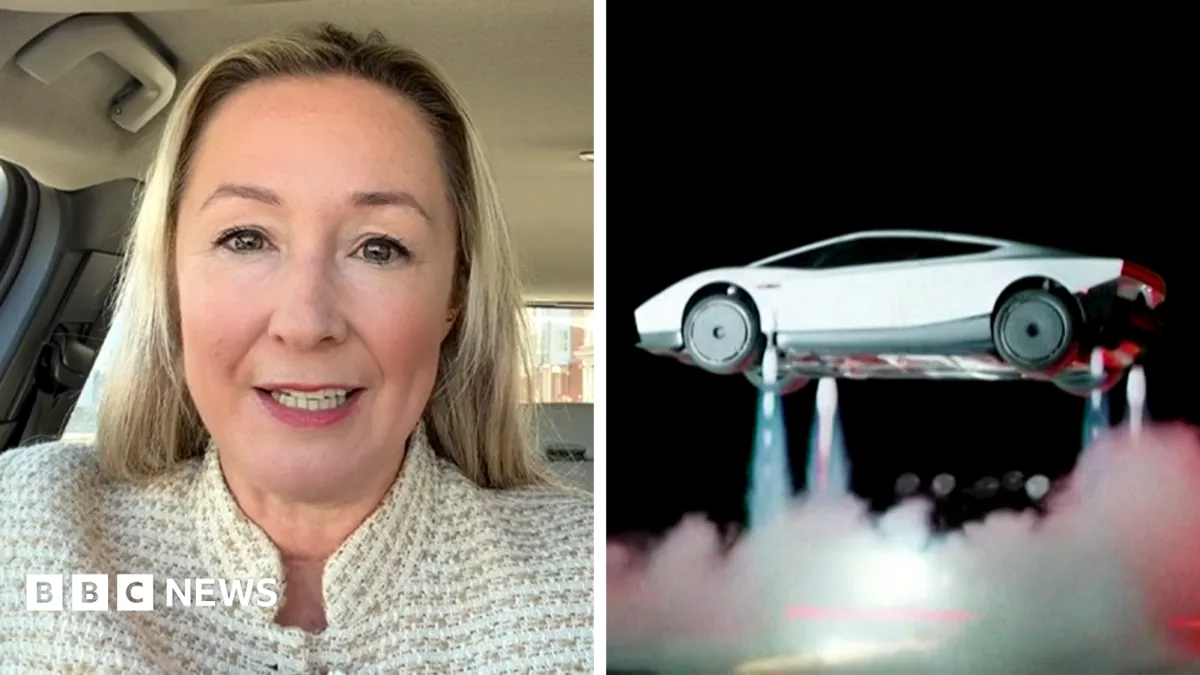
Elon Musk unveils a flying car, and SpaceX helped build it
The Tesla CEO's showcase at a SpaceX facility signals a future where road and rocket engineering converge.

Apple's $2,000 iPhone Duo opens preorders, taking on Samsung and Google
Apple's first foldable hits the market at a premium price, reshaping a category Samsung and Google have led.

Pope Leo XIV, first American pope, diagnosed with lung cancer
The 71-year-old Chicago-born pontiff underwent successful surgery on his right lung, and his diagnosis raises new questions about his AI-focused papacy and the Vatican's future.