
Canada's $20B tariff fight with US makes Asia pivot real - but ignorance blocks it
As US tariffs upend four decades of trade assumptions, Canadian exporters must crack Asia - yet surveys show most firms know almost nothing about their new partners.
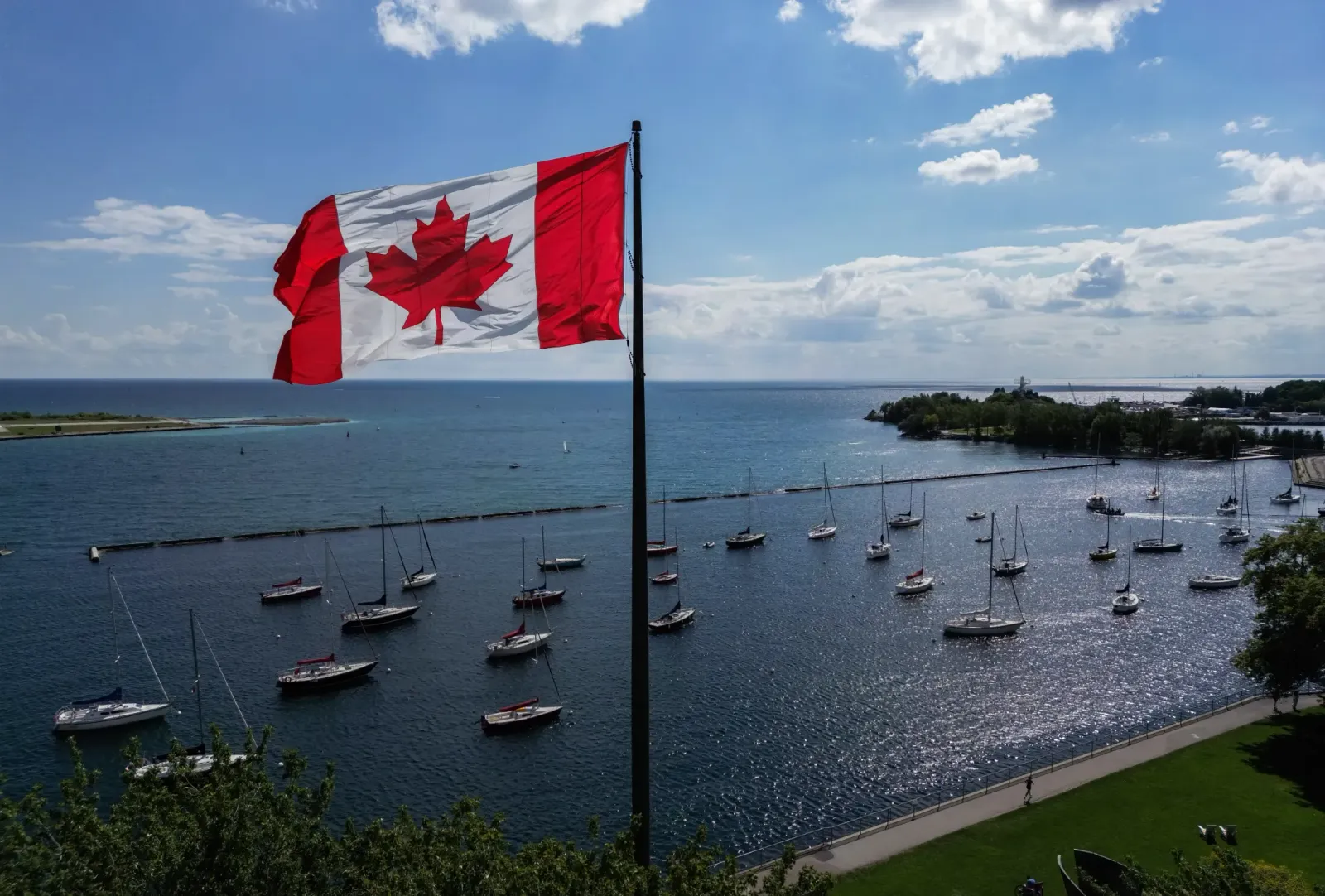
Barrett Bingley, Asia Regional Director of the Asia Pacific Foundation of Canada, says Canada's pivot to Asia is finally real after US tariffs, but mutual ignorance threatens the shift. With 65% of exports still going to the US and $20B in counter-tariffs taking effect Sept 8, executives must invest in market knowledge or lose the diversification window.
On Sept 8, some $20 billion worth of US goods will face Canadian counter-tariffs of up to 50%, following Washington's 50% duties on Canadian goods imposed Aug 22. The US declined to extend the USMCA in July, and for four decades Canadian commercial life has been organized around the belief that access to the US market was a constant, not a variable. That assumption no longer holds, whether or not tariffs are here to stay. This is the moment Canada's pivot to Asia becomes real, not a talking point but a necessity forced by Washington's unilateralism.
Yet the pivot faces a knowledge gap that could stall it. Polling by the Angus Reid Institute for the Asia Pacific Foundation of Canada found that 73% of Canadians say they know little or nothing about South Korea, 82% say the same of Singapore, and 90% of Malaysia - even though 78% supported Canada's CPTPP membership. The mirror image is just as bad: a Kadin Business Pulse survey of 276 Indonesian firms found 84% had either never heard of or knew very little about the Indonesia-Canada free trade agreement. You cannot leverage preferences you do not understand, and right now too few companies on either side of the Pacific understand what is on the table.
The numbers show why the pivot matters. The US was the destination for 65% of Canadian goods and services exports in the first half of 2026, down from roughly 75% in 2024, but much of that shift was concentrated in a handful of commodities like oil, gold, and liquefied natural gas. The European Union and China each attracted about 5% of Canada's exports. No single market will replace the US, meaning Canadian companies will need to develop multiple smaller markets simultaneously. But the effort is worth it: if Canada sells into several large, growing rules-based markets, it can treat the next unilateral decision from Washington as an annoyance rather than an emergency.
Fortunately, the groundwork for expansion into Asia has already been laid. Japan and South Korea are the immediate priorities, with their purchasing power, strong rule of law, and already-established links with Canada. Much of Canada-Japan and Canada-Korea trade already is, or soon will be, tariff-free. Canada offers Korea and Japan energy and agricultural products; they supply batteries, semiconductors, machinery, and shipbuilding capacity. Taiwan offers the same benefits, and the Taiwan-Canada Trade Cooperation Framework awaits signing. Energy leads the way, facilitated by Asian investment: LNG Canada is backed by Petronas, Korea Gas, Mitsubishi, and PetroChina, and already ships across Asia. The Canadian Energy Regulator notes crude oil exports to destinations other than the US were worth $10 billion in 2025, averaging roughly 430,000 barrels a day, up from effectively zero before 2024. Alberta's oil exports to China and South Korea rose by 122% and 227% respectively in the first four months of 2026, and these flows cross the Pacific without passing through a contested chokepoint.
Other sectors that could gain are agrifood, forest products, aluminum, machinery, and digitally delivered services. Southeast Asia is an important growth area: Vietnam, Malaysia, and Singapore are all CPTPP partners. Vietnam offers growth and manufacturing demand; Malaysia gives industrial and processed-food opportunities; Singapore is valuable as a regional base and as a sophisticated end-market, particularly for niche agrifood and technology products. India and Indonesia are high-growth, higher-friction markets promising demand for machinery, industrial technology, infrastructure, and specialty inputs. China will remain a selective market given sensitivities around national security and overcapacity; beyond oil, Canada-China trade will likely focus on less sensitive areas including pulp, paper, industrial materials, and premium consumer goods.
The barrier is knowledge, not market access. Canada and Asia already have the trade agreements, expert agencies, joint business councils, and chambers of commerce to facilitate the flow of goods and services. Yet with all this support, too few businesspeople on either side know what is going on. Governments can only do so much. The private sector on both sides needs to educate itself, get on a few planes, and test some markets and products. The trade agreements and institutional elements are there to support diversification, but companies must take the first step.
For executives, the strategic stakes are clear. The US market is no longer a constant, and diversification into Asia is not a theoretical option but a survival imperative. The window is open: agreements are in place, energy flows are already proving the route, and the infrastructure exists. But the knowledge gap is the bottleneck. Companies that invest in Asia literacy, partnerships, and market testing now will be positioned to treat US tariff swings as noise. Those that wait will remain hostage to Washington's next decision, watching competitors lock in preferential access to the world's fastest-growing markets.
This story's Key Insights and Take-aways are locked.
Create a free account to unlock Executive Actions for one credit.
Register to UnlockAlways free for Executives Club members. Join the Club
More in Business
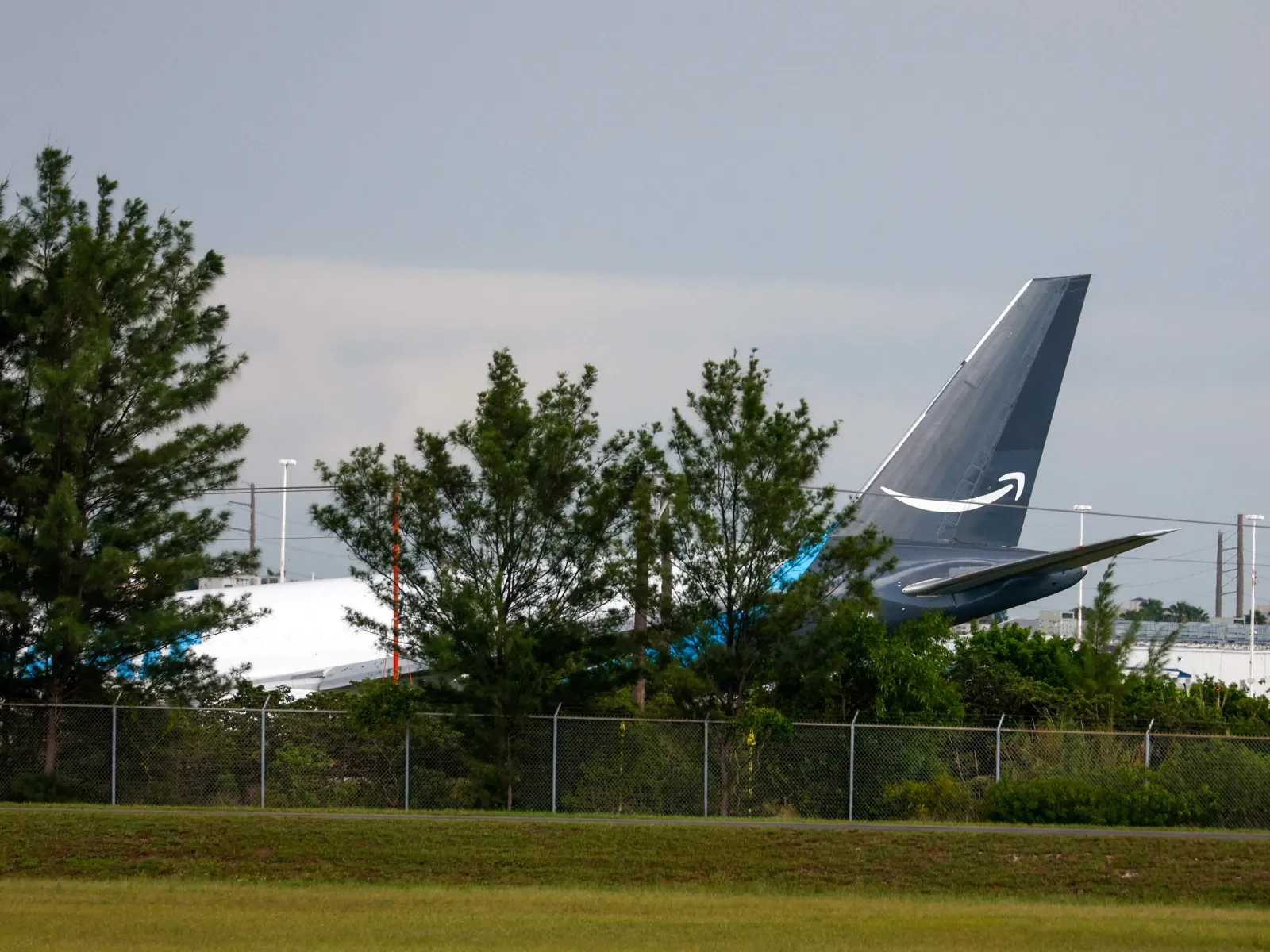
Amazon Prime Air 767 overshoots Miami runway, killing at least 5
The Boeing 767 freighter from San Juan struck vehicles and erupted in flames, prompting a ground stop and a fresh NTSB investigation into Amazon's air cargo network.

Death sentence for TV presenter Sarah Khalifa: Egypt's drug case hits media
The sentencing of Sarah Khalifa and 11 others underscores the severity of Egypt's anti-drug laws and the exposure of public figures to capital punishment.
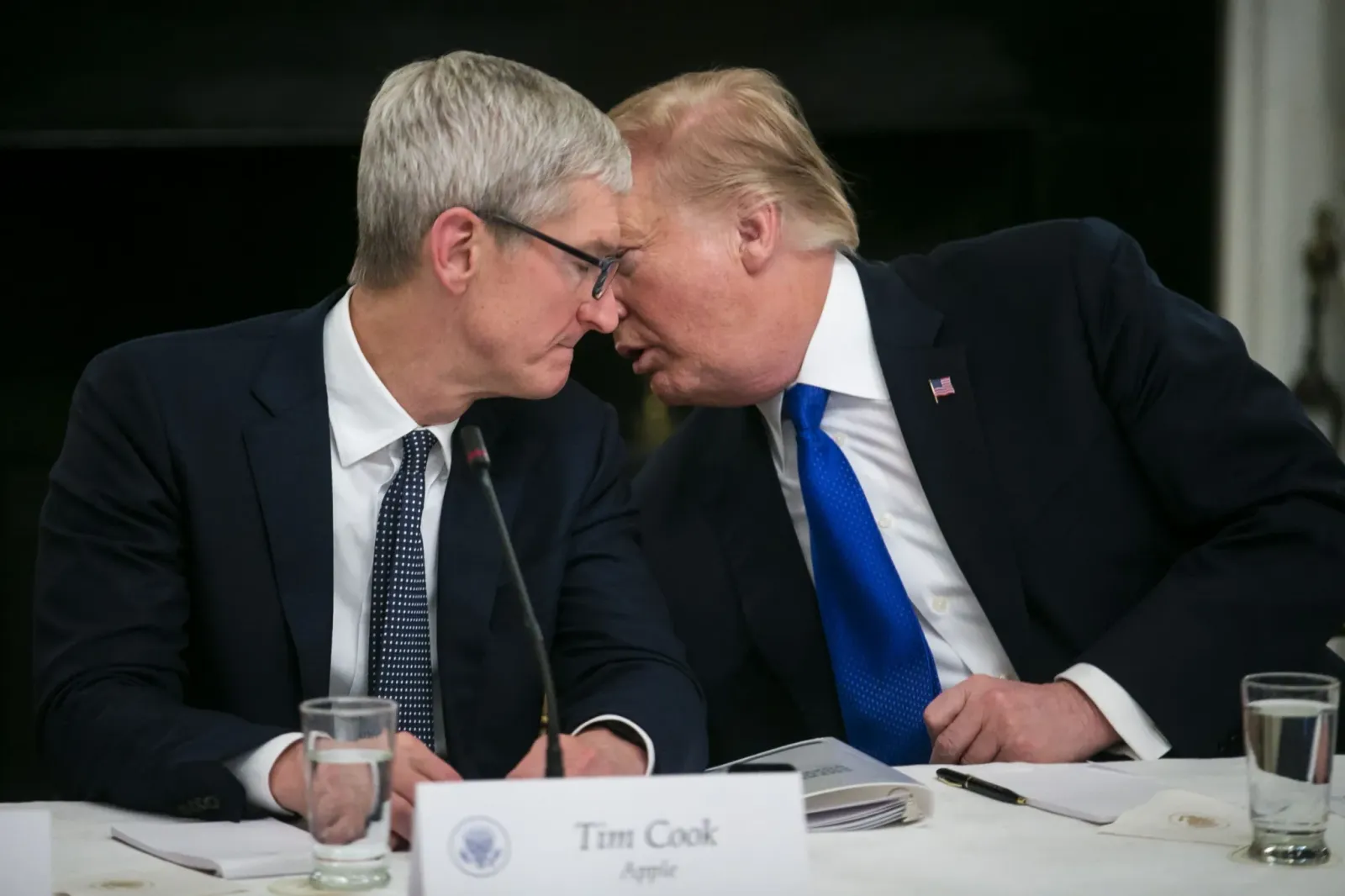
Tim Cook steps down as Apple CEO, stays on as chair with $45M equity
The 'Trump whisperer' keeps his White House and Beijing access as Apple navigates tariffs and a $4.6 trillion market cap.