

Canada's $20B tariff move triggers US ban on its alcohol, dairy, motorcycles
The White House's Sept 29 ban on Canadian goods escalates a trade war that Prime Minister Mark Carney says will force Canada to break its reliance on the U.S.

Prime Minister Mark Carney faces a new U.S. ban on Canadian alcohol, dairy, and motorcycles effective Sept 29, following Canada's $20B retaliatory tariffs. The move underscores Carney's push to diversify Canada's trade away from the U.S., where over 70% of exports still go.
The White House on Tuesday banned the import of Canadian dairy products, motorcycles, and most alcoholic beverages, effective Sept 29, escalating a trade war that shows no sign of cooling. The ban lands the same day Canada's retaliatory tariffs on $20 billion in U.S. goods kicked in, a direct response to President Donald Trump's earlier tariff moves and the collapse of trade talks last month. The White House also moved to shut Canadian products out of large, long-term U.S. government contracts, directing the General Services Administration to declare them ineligible until Canada allows "full and fair reciprocity" for American products.
Prime Minister Mark Carney, who came to power last year on a promise to stand up to Trump, framed the escalation as a catalyst for Canadian independence. "It's about ensuring that no country can hold us hostage. And that we can live how we want to live," he said. Carney acknowledged the trade actions would cause short-term pain but argued they would accelerate investment, infrastructure, and trade diversification. "It was easy business, but it meant we relied too much on one economic partner," he said. "That time is over." More than 70% of Canadian exports still go to the U.S., underscoring the scale of the shift he is trying to engineer.
The rupture has upended one of the world's closest relationships. On Aug 22, the U.S. imposed 50% tariffs on about 5% of Canadian imports, charging unfair treatment of American dairy, alcoholic beverage, and auto industries. The two countries have long sparred over Canada's protected dairy market and softwood lumber subsidies, but they remained friends and staunch allies. Under Trump, relations deteriorated rapidly, with repeated inflammatory comments about making Canada the 51st state. Some Canadian provinces had already banned U.S. alcoholic products, a move that prompted Tuesday's retaliatory U.S. ban on various Canadian wines and spirits. Also subject to the ban are some motorcycles and mopeds, dairy products including whey, and various types of molasses.
Carney is now looking beyond the U.S. Canada is exploring ties with the European Union that could stop just short of membership, a Canadian official familiar with the discussions said. Options could include expanding existing agreements, negotiating a new treaty, or creating other forms of cooperation. The official said Canada is already consulting provinces, territories, and labor groups about what a deeper relationship with the EU could look like, but no model has been chosen. Carney is due in Strasbourg, France, next week, where he will attend European Commission President Ursula von der Leyen's State of the European Union address Sept 16 and address the European Parliament the following day.
The tariffs Canada imposed hit hundreds of American products, including steel, aluminum, cheese, appliances, clothing, cosmetics, and farm equipment, at rates of 15%, 25%, or 50%. They cover about $20 billion in American goods, roughly 6% of the $333.6 billion the U.S. exported to Canada last year. Carney defended the retaliation, saying Canada could not let American goods enter tariff-free while Canadian companies face U.S. tariffs. He said the larger problem was what Washington had sought in the failed negotiations. "The most fundamental issue is that the cumulative U.S. demands revealed that they wanted us to become even more reliant on them, not less," he said. "In too many areas, they wanted dependency, not a true economic partnership." He said Washington sought limits on French-language and cultural protections, influence over future trade deals, and terms that would weaken the auto, steel, and forestry sectors.
The trade war has fueled anger across Canada. Canadians have sharply cut travel to the U.S. and boycotted U.S. goods, moves Carney praised as signs of national resolve. British Columbia Premier David Eby said the province will install new signs at U.S. border crossings reading: "Welcome to British Columbia, Canada. Strong, proud and will NEVER be the 51st state. Sorry!" "While our kindness is one of our greatest strengths, you should never, ever mistake that kindness for weakness," Eby said. Neither side is rushing back to the table. Canada-U.S. Trade Minister Dominic LeBlanc said he remained in contact with U.S. Trade Representative Jamieson Greer, and a senior Trump administration official said trade representatives have had "constructive conversations" and would speak again in coming days. Former U.S. trade official Wendy Cutler noted Carney's public approval rating, now topping 70%, gives him little reason to restart talks. "Clearly, at this point each side does not want to look too anxious to reengage in fear of looking weak," she said.
For executives and boards, this escalation is a stark reminder of the risks of over-reliance on a single trading partner. The ban on specific goods like dairy and alcohol could disrupt supply chains for companies on both sides of the border, while the broader tariff war raises costs for manufacturers and consumers. Carney's push to diversify trade, including potential EU ties, signals a strategic realignment that could reshape North American trade dynamics for years. How the trade war ends could carry consequences far beyond Canada, testing whether a smaller U.S. ally can resist Trump's economic pressure without being forced to yield.
This story's Key Insights and Take-aways are locked.
Create a free account to unlock Executive Actions for one credit.
Register to UnlockAlways free for Executives Club members. Join the Club
More in Business

Apple unveils first foldable iPhone Duo with 7.6-inch display under new CEO Ternus
Apple's first foldable, the iPhone Duo, marks a major product bet for new CEO John Ternus, with a 7.6-inch unfolded screen.
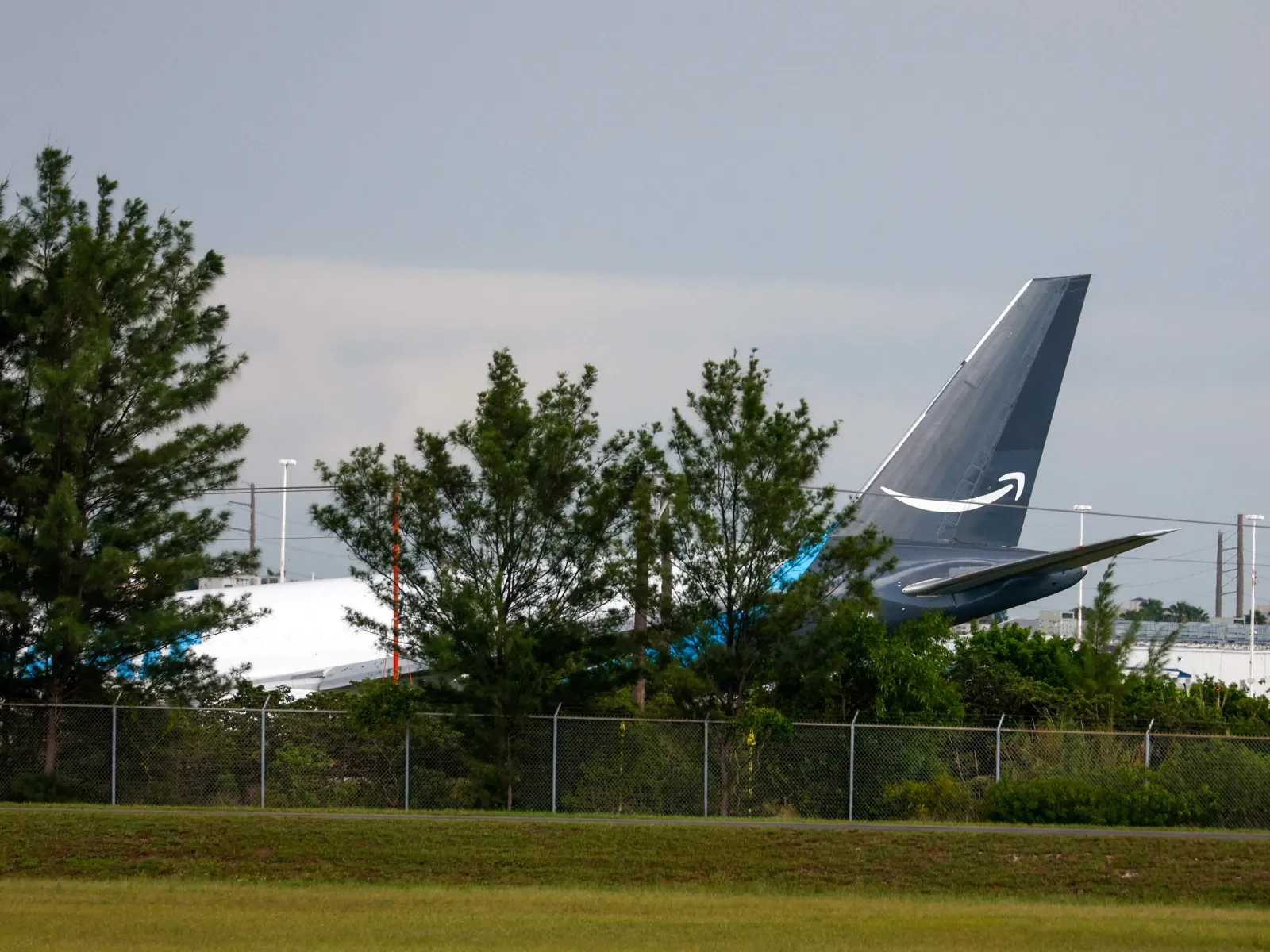
Amazon Prime Air 767 overshoots Miami runway, killing at least 5
The Boeing 767 freighter from San Juan struck vehicles and erupted in flames, prompting a ground stop and a fresh NTSB investigation into Amazon's air cargo network.

Death sentence for TV presenter Sarah Khalifa: Egypt's drug case hits media
The sentencing of Sarah Khalifa and 11 others underscores the severity of Egypt's anti-drug laws and the exposure of public figures to capital punishment.