
Carl Pei warns RAM costs doubled, pushing Nothing Phone 4A prices higher into next year
Nothing CEO Carl Pei says memory costs have surged, already hitting Phone 4A and lifting the whole pricing path.
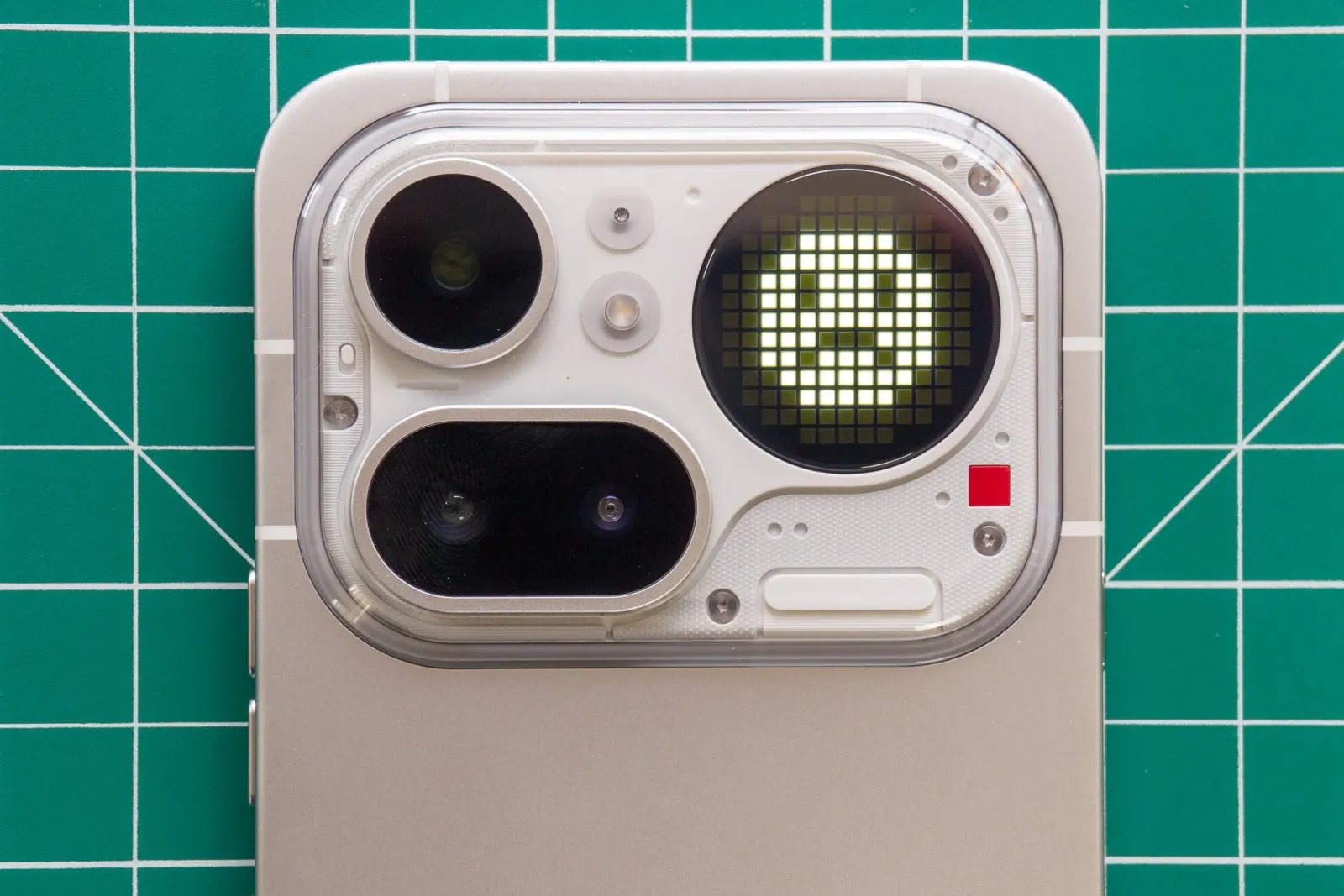
Nothing CEO and co-founder Carl Pei says the company is already feeling RAM scarcity through the Nothing Phone 4A, with RAM costs rising sharply. For decision-makers, his warning signals broader margin and pricing pressure across mid-range Android hardware.
Nothing CEO and co-founder Carl Pei is basically telling buyers and competitors the same thing: the “best time was yesterday,” and phone prices are not cooling off anytime soon. In an X post, Pei said that RAM scarcity has already impacted Nothing’s less expensive mid-range phone, the Nothing Phone 4A.
The reason is brutally specific. Pei said that for Phone 4A, “memory costs doubled between when we decided to build the device and when it launched.” And then, he added, “They’ve doubled again since.” He warned that “Phone prices are going up, and they'll keep going up into next year.” In other words, this is not a vague cost increase, it is a compounding one, and it is showing up in a real product tier, not just an abstract supply chain problem.
Why does one component have the power to move entire retail price tags? Because RAM is not just a line item you can swap out quietly at the end. When the cost of a core memory component jumps, OEMs have three options, none of them feel great. They can absorb the cost and take a margin hit, they can pass more of it to customers, or they can redesign the bill of materials and specs. Pei’s message leans hard toward option two: if memory costs can double twice in the span around build and launch, price pressure follows.
Pei also said that RAM can now account for over 50 percent of the cost of a new phone. That framing matters for executives because it changes how you think about resilience. If a single category can be half the total cost structure for a handset, then even short-lived shortages can create long-lived pricing inertia. In practical terms, it becomes harder for companies to “wait out” supply chain stress, because the exposure is not evenly spread across minor components. It is concentrated.
There is another incentive layer here. The timing Pei references, between “when we decided to build the device” and “when it launched,” is the kind of window that typically involves purchasing decisions, planning cycles, and negotiated supply arrangements. If costs rise during that period, there is often less flexibility to renegotiate quickly without disrupting production schedules. That means the damage can land right where you least want it: in the middle of a product cadence.
This warning also echoes something we heard during MWC, according to the original report. That’s not just trivia. Industry events like MWC are where smartphone makers, component suppliers, and ecosystem partners often pressure-test demand assumptions, discuss supply conditions, and signal direction for the next wave of devices. When Pei says the “best time was yesterday,” it reads like a market reality check delivered from inside the constraints of current manufacturing economics.
And Nothing is not alone. The Verge piece notes that Nothing is “just the latest phone maker to warn” about the situation. That matters because pricing moves in consumer electronics are contagious, even when companies do not coordinate. If multiple brands are reporting RAM-driven cost increases, it can normalize higher price expectations in the market. That can shift how customers compare deals, how retailers think about promotions, and how competitors set their own pricing bands for mid-range models.
Regulatory background is quieter here, but it still matters to the board level. The phone market is not operating in a policy vacuum. Data and spectrum rules, import and tariff dynamics, and consumer protection requirements can all influence the cost and viability of hardware decisions. While the source does not tie this specific RAM problem to regulation, the executive implication is clear: when component costs surge, companies do not just need operational fixes, they need financial and governance ones, because they will be explaining price changes to stakeholders operating under compliance and reputational scrutiny.
The second-order implication is what happens to the whole Android hardware stack. Mid-range phones, like the Phone 4A tier referenced by Pei, are often where buyers test whether they want to upgrade and how much they are willing to pay without moving into flagship budgets. If RAM costs are pushing those prices up “into next year,” the ripple reaches carrier offerings, third-party reseller pricing, and the timing of upgrade cycles. For executives, the strategic stake is simple: a component-driven cost spike can become a pricing regime, and a pricing regime can reshape demand for the next several product launches.
Pei’s specific warning, including the twice-doubled memory cost and the claim that RAM can be over 50 percent of a new phone’s cost, is the kind of signal investors and operators should treat as operationally real. If your company sells devices in the same band, your forecast should assume that this is not a one-off spreadsheet problem. It is a structural cost exposure that can keep pulling consumer pricing upward until supply normalizes, and Pei’s timeline suggests that normalization is still not here.
This story's Key Insights and Take-aways are locked.
Create a free account to unlock Executive Actions for one credit.
Register to UnlockAlways free for Executives Club members. Join the Club
More in Business

SpaceX Nasdaq debut makes it the 6th most-valuable U.S. company at record scale
The IPO flips the usual tech script, putting a revenue-light rocket maker among megacap peers on day one.

Mena construction CPMI slips 12% in April 2026, but execution momentum rebounds to 1.01
GlobalData’s April CPMI shows resilience masking pre-execution caution, with conflict risk surfacing unevenly by country and sector.

Together AI’s CEO flips the RTO script: employees “home from work”
Post-COVID AI startups run on high-trust, in-person cultures where founders say they never enforced return-to-office.