

Carliz De La Cruz Hernández wins permission to pursue claim over Bad Bunny catchphrase
A judge green-lights Hernández to continue a rights battle over the “Bad Bunny baby” tagline on “Dos Mil 16”.
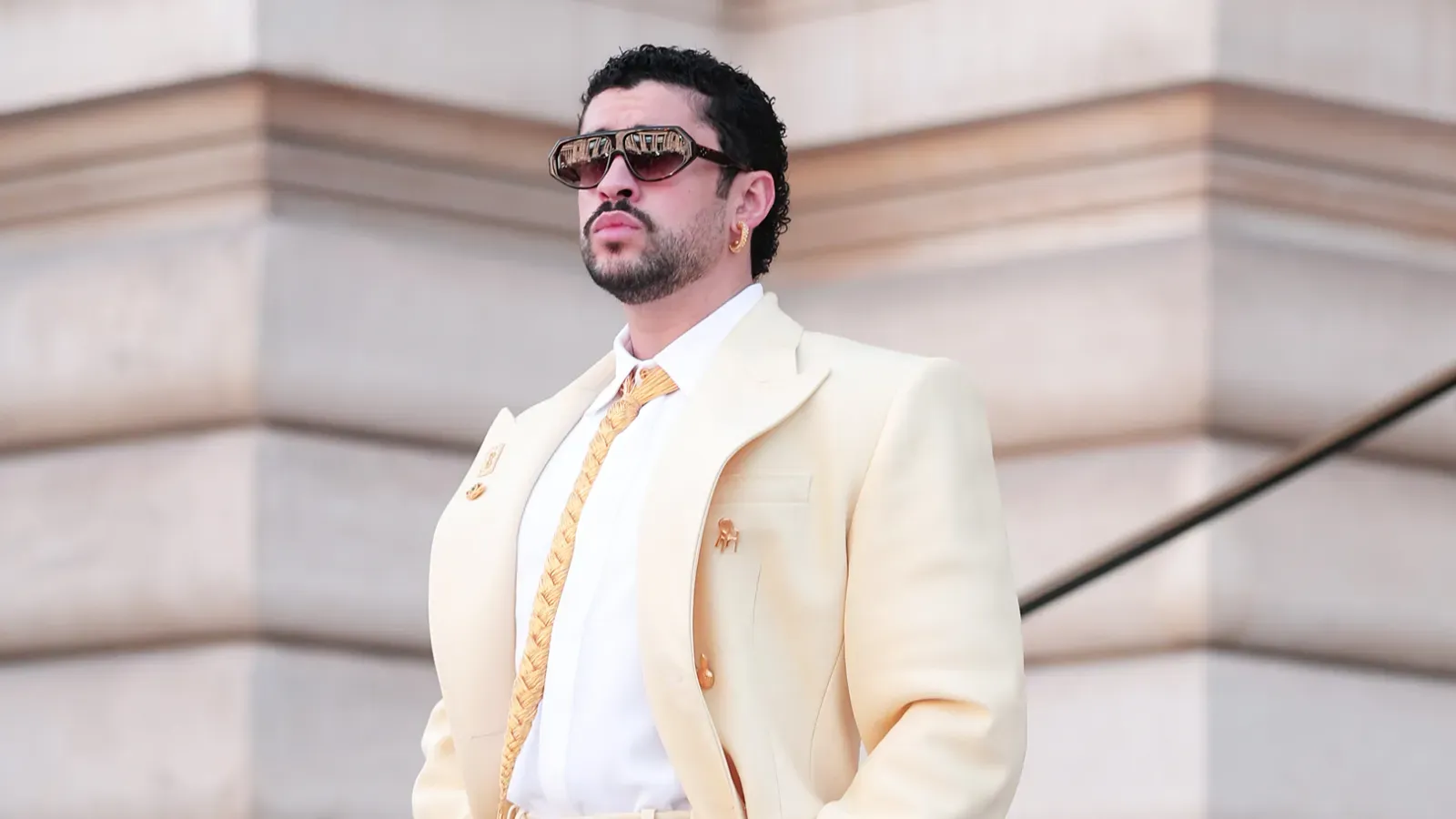
Carliz De La Cruz Hernández received a green light to pursue her claim related to the “Bad Bunny baby” tagline on “Dos Mil 16.” The ruling matters because it keeps a creative-rights dispute alive where celebrity audio can become a legal and commercial battleground.
Carliz De La Cruz Hernández just got a procedural green light to pursue her claim over the “Bad Bunny baby” tagline used on “Dos Mil 16.” That matters immediately, because permission to continue is often the difference between a dispute dying quietly and turning into something both legally and commercially expensive.
The key point is the one Rolling Stone reports: Hernández was allowed to move forward with her claim tied to the tagline, which is associated with Bad Bunny. In other words, the dispute over who gets to control how a recognizable “moment” from an artist travels into a release does not stop at the first challenge. It advances.
Why would a single tagline become a high-stakes fight? In modern music, “catchphrases” and small voice elements can act like reusable branding. They can be embedded in tracks, repeated in marketing, and reused in fan culture. Even if the underlying dispute is framed as a rights claim, the commercial reality is that these snippets can be worth more than their seconds suggest. They help songs feel like they belong to a particular era, mood, or artist identity. That is exactly the kind of intangible value that lawyers fight over, because intangible value is usually where the money lives.
This kind of litigation also tends to reflect the incentives on both sides. For a claimant like Hernández, the goal is not just symbolic. A claim can potentially translate into negotiated terms, settlement leverage, or at minimum a chance to compel a platform or rights holder to take the dispute seriously. For the other side, allowing a claim to proceed can raise questions internally about risk management: How much exposure is there if the dispute expands? What would compliance look like going forward for similar uses? In creative industries, risk rarely stays isolated. One dispute can set a precedent in how teams document permissions, handle licenses, and decide what they treat as protected content.
There is also a procedural dimension that executives and boards should understand: a “green light” usually means the court found the claim is sufficiently viable to continue. It is not necessarily a final ruling on merits. But it does signal that the claim is not being dismissed at the threshold. That changes the timeline. Once a case is permitted to proceed, parties can begin taking steps that are time-consuming and costly, including gathering evidence, responding to filings, and preparing for more formal legal arguments.
This is where the second-order effects show up for decision-makers. When entertainment disputes remain alive, they can disrupt release schedules, marketing plans, and catalog strategies. Even without a final outcome, teams may decide to tighten controls around how audio is used, who is credited, and what permissions exist for specific elements. That can mean more documentation, more licensing work, and more caution whenever creative teams reuse voice lines, snippets, or taglines connected to high-profile artists. Sometimes it also affects how partners structure deals because legal risk becomes part of diligence.
Put differently, this is not just a story about one phrase on one track. It is a story about the control layer surrounding music IP, especially when celebrity-associated audio becomes attached to a widely recognizable identity. For executives across labels, publishers, platforms, and even talent-management businesses, that is a reminder that small creative inputs can trigger big compliance conversations.
And for peers watching this space, the strategic stake is clear. If claims can survive to the next stage over taglines tied to a celebrity artist, then rights practices need to be robust before they are tested in court. Companies that build workflows around permission checks, attribution accuracy, and clear licensing trails reduce the odds that a throwaway audio moment becomes a costly detour. Hernández being allowed to pursue her claim keeps that test underway, and the outcome could shape how future disputes are handled around similar creative assets.
This story's Key Insights and Take-aways are locked.
Create a free account to unlock Executive Actions for one credit.
Register to UnlockAlways free for Executives Club members. Join the Club
More in Entertainment

12TB Steam 'teraleak' goes beyond Valve: GTA 3, Mafia 2 prototypes exposed
A 12-terabyte dump of Steam data reveals prototypes and builds of third-party classics like GTA 3 and Mafia 2, plus unreleased Valve content, rewriting game history.

LinkedIn's romance problem: 1 in 4 workers say dating on it is fair game
A new survey shows a quarter of U.S. employees treat the professional network as fair game for romance, even as LinkedIn bans it and removes hundreds of thousands of offending posts.

Enhypen's first No. 1 album breaks K-pop's Billboard 200 streak
The K-pop group's 98,000-unit debut tops the chart while Dolly Parton's catalog reentry shows how death reshapes streaming.