
CarMax shares slide after earnings beat, CEO outlines turnaround as margins stay under pressure
The used-car bell rings, but CarMax investors are fixated on growth and cost cuts while margins face a tougher market.
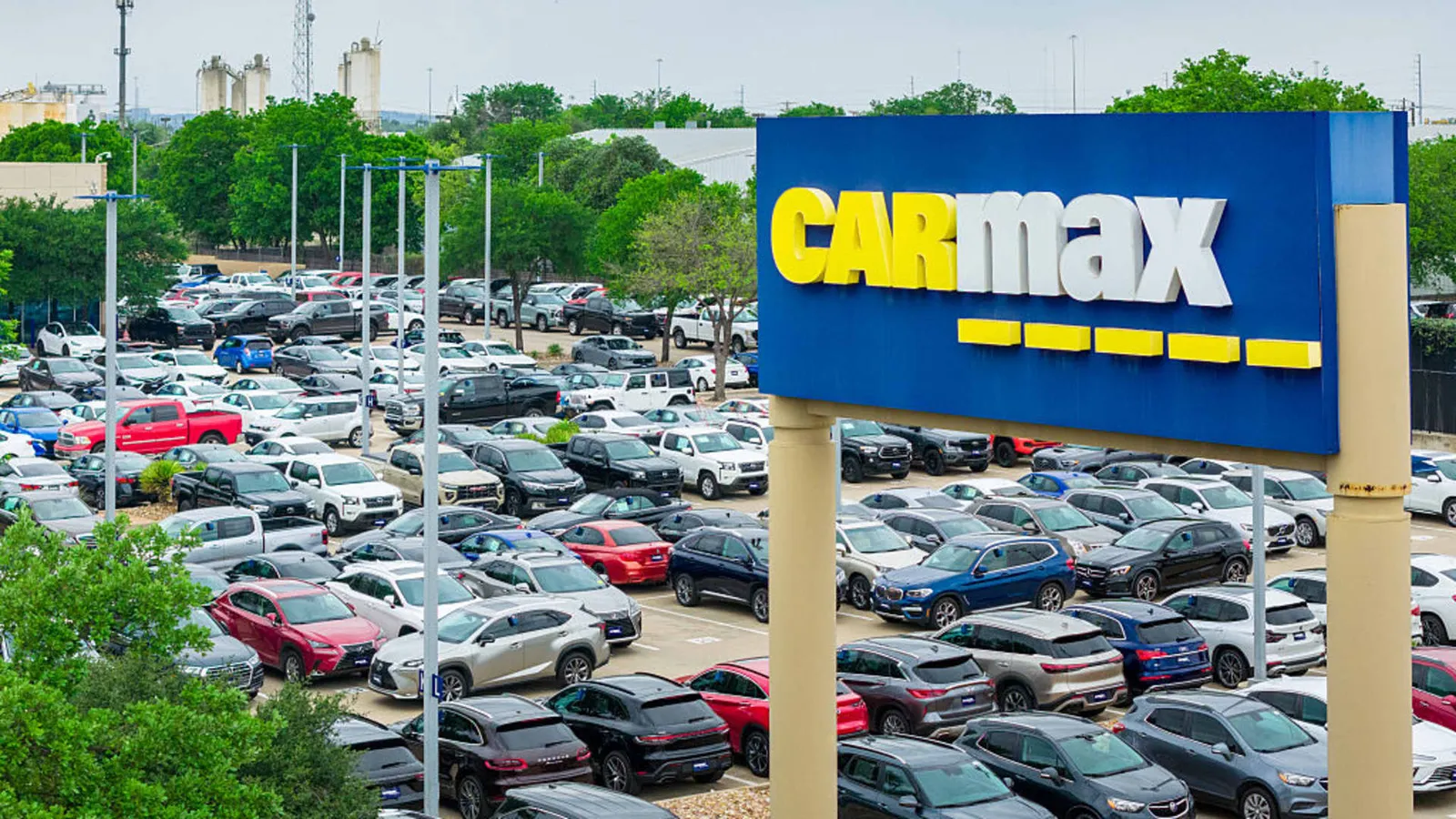
CarMax reported earnings results that beat expectations, but its shares fell anyway as CEO detailed a turnaround plan. The market consequence is a bigger test for whether the company can translate operational fixes into sustained profit and resilience.
CarMax shares fell even after the used-car retailer reported earnings beats, a classic market move that says, “Cool, but prove it.” In other words: the numbers came in strong, yet investors still have questions about whether the company can grow and cut costs fast enough under tougher market conditions, including margin pressure.
The core issue is not whether CarMax can post a favorable quarter, it is whether its turnaround plan can change the trajectory of performance in a market that is getting harder to win. When margins are under pressure, every cost line and every lever for volume matters. A beat can look like a one-off improvement if the plan does not reliably expand profit per unit sold, keep vehicle supply healthy, and prevent expenses from rising as the business scales.
To understand why this kind of reaction is so common, it helps to think about how used-car economics work. CarMax operates in a swingier part of consumer spending. If demand cools, the company can end up with longer inventory holding periods, which ties up cash and creates additional costs. Even when a company sells cars, the spread between what it pays for inventory and what it can sell it for determines margins. If the market environment shifts, that spread can compress quickly.
That is exactly the problem CarMax is dealing with according to the framing of the story: even with earnings beats, the question is whether the turnaround plan will deliver sustained growth and cost reductions when margins are pressured. Growth here is not just “sell more cars.” It is the ability to keep stores efficient, maintain customer flow, and avoid letting operational complexity outpace demand. Cost cuts are not just about shrinking headcount or freezing spending. They include reducing the drag of inventory-related expenses, tightening logistics, optimizing pricing decisions, and improving how quickly the company converts inventory into cash.
Investors and boards look at plans like this through a specific lens: execution risk. A turnaround plan is a promise of future operating discipline, but the market wants evidence that the company can do it repeatedly, not only once. If the plan includes operational changes, the market usually wants to know whether those changes show up in gross profit trends, operating expense discipline, and ultimately cash flow. When margins are under pressure, those metrics become even more sensitive, because the company has less room for error.
Second-order effects often matter as much as the direct ones. If CarMax believes the market is tough, it may adjust strategy to protect profitability, even if that means temporarily prioritizing margins over aggressive volume. That can influence how quickly revenue growth returns. Meanwhile, if cost cuts require process changes or system upgrades, there may be a lag between implementation and measurable benefits. The market reaction, shares falling despite beats, is a signal that investors are watching for that lag and demanding proof.
This is also where competitive dynamics enter the picture. The used-car retail space is crowded, and pricing power can shift when supply and demand move in different directions. If competition intensifies, it can pressure pricing and margins across the category. In that kind of environment, a company can still beat earnings expectations for a quarter, but the bigger question becomes whether the business model can stay profitable as market conditions evolve.
Regulatory context adds another layer, mostly by shaping the “rules of the game” for how vehicles are sold and how consumers are protected. While the story does not introduce new regulatory facts, used-car markets are subject to consumer protection frameworks and disclosure expectations that vary by jurisdiction. For executives, that matters because operational changes and pricing tactics still have to align with compliance requirements. When companies are under margin pressure, they often look for efficiency, but they cannot cut corners in ways that create legal or reputational risk.
For decision-makers watching CarMax, the strategic stakes are straightforward. If the company cannot grow while cutting costs under margin pressure, it may face an extended phase of weaker earnings durability, higher sensitivity to economic swings, and tougher comparisons quarter over quarter. For peers, it is a reminder that beats do not end the debate. In the used-car business, execution is the story, and margins are the scoreboard. The market may be willing to give CarMax credit for what it did this quarter, but it is still waiting to see whether the turnaround plan changes what investors should expect next.
This story's Key Insights and Take-aways are locked.
Create a free account to unlock Executive Actions for one credit.
Register to UnlockAlways free for Executives Club members. Join the Club
More in Business

Anthropic’s Levant Alpöge cracks the Jacobian conjecture after 87 years
A Harvard valedictorian used Claude to hit a 1939 breakthrough, but the missing “why” is the real problem.

Uber buys Delivery Hero for nearly $15B, vaulting to top food delivery outside China
The deal doubles Uber's dual-services footprint and pushes a ride-and-eats bundling play into 50 more markets.

Epic and Google drop settlement bid, forcing rival Android app stores by July 22
Google told the court it is ready to carry third-party app stores starting Wednesday, July 22.