

Charity watchdog rebukes Farage's intimidation push as Reform councillors quit
The charity regulator will distinguish 'heated discussion' from abuse as Reform's undercover scandal deepens.

The Charity Commission will publicly warn that 'heated discussion' must not cross into harassment or abuse, a direct response to Nigel Farage's call to prosecute groups helping asylum seekers. The warning lands as Reform UK faces a widening crisis: three councillors have quit after an ITV investigation exposed violent threats, and Farage postponed a major announcement.
The Charity Commission is putting Nigel Farage on notice. In a forthcoming speech, the charity commissioner will argue that there is a clear line between 'heated discussion' and harassment or abuse. That is a direct rebuke to the Reform leader's call for the prosecution of groups that help asylum seekers. The warning lands at the worst possible moment for Farage, who was forced to postpone a major announcement in Essex this morning after an ITV investigation aired footage of party councillors and election candidates making graphic threats of extreme violence and expressing racist and misogynistic views. The commissioner's speech, which will be delivered publicly, is expected to clarify that while robust debate is legitimate, crossing into harassment or abuse is not. For charities working on asylum and immigration, this is a critical signal that the regulator will not tolerate intimidation, even when it comes from political leaders.
Three councillors have already stood down from Reform, which says it is conducting an investigation over the first revelations from the ITV undercover probe. More resignations are expected as the undercover filming of senior Reform politicians and officials working at its UK headquarters continues to surface. For executives and investors tracking UK political risk, the double-barreled story is a case study in how regulatory scrutiny and media exposure can converge on a single organization. The party is now in damage-control mode, but the footage has already gone public, and the political fallout is just beginning.
The Charity Commission's intervention is significant because it frames the boundary for advocacy. Historically, charities in England and Wales are allowed to engage in political activity as long as it is non-party political and furthers their charitable purposes. But the commissioner's speech signals that intimidation, harassment, or abuse crosses a line. That matters for any nonprofit working on asylum, immigration, or other contested issues: the regulator is effectively telling them they can campaign, but they must stay within legal and ethical bounds. Farage's call for prosecution, which could chill legitimate aid work, is now facing an institutional counterweight. The commission's role is to ensure charities operate within the law, and this speech is a reminder that it will defend the sector from political pressure.
For Reform UK, the timing is brutal. Farage had scheduled a major announcement in Essex, presumably to seize the news cycle. Instead, he is on the back foot, explaining why his party's own candidates and officials are caught on tape threatening extreme violence. The party has already lost three councillors, and more departures are likely. This is a governance crisis as much as a PR crisis: it raises questions about vetting, internal controls, and the culture that allowed such views to flourish. The ITV investigation, which used undercover filming, revealed graphic threats and racist and misogynistic language from people representing Reform. While the party says it is investigating, the damage may be done. For any organization, the lesson is that a single undercover operation can expose a toxic subculture and force leadership into reactive mode. The speed of the resignations suggests the party is trying to contain the damage, but the story is still developing.
For charities that support asylum seekers, the immediate risk is a chilling effect. Even with the Charity Commission pushing back, the threat of prosecution from a prominent political figure can deter donors, volunteers, and partner organizations. That could reduce the capacity of groups that provide legal aid, housing, and other essential services to vulnerable people. The commissioner's speech is therefore not just a legal clarification; it is a political statement that the regulator will not be used as a weapon against humanitarian work. For CEOs and boards in the nonprofit sector, this is a reminder to document their activities, ensure compliance with charity law, and be prepared to defend their mission publicly.
For CEOs and boards across all sectors, the episode offers a cautionary tale about the intersection of politics, regulation, and reputation. Whether you run a charity, a political party, or a business, the line between robust debate and harassment is now being policed more actively. The Charity Commission's stance could embolden regulators in other sectors to take a harder line on intimidation. It also underscores the importance of having clear codes of conduct and enforcement mechanisms before a crisis hits. The fact that Farage postponed his announcement rather than facing the press is a tell that the party is scrambling. For peers in similar roles, the playbook is to act fast, investigate transparently, and communicate a zero-tolerance policy. The Charity Commission's speech, meanwhile, is a reminder that regulators are watching how organizations treat vulnerable groups. The cost of crossing that line is not just legal, but existential.
This story's Key Insights and Take-aways are locked.
Create a free account to unlock Executive Actions for one credit.
Register to UnlockAlways free for Executives Club members. Join the Club
More in Politics
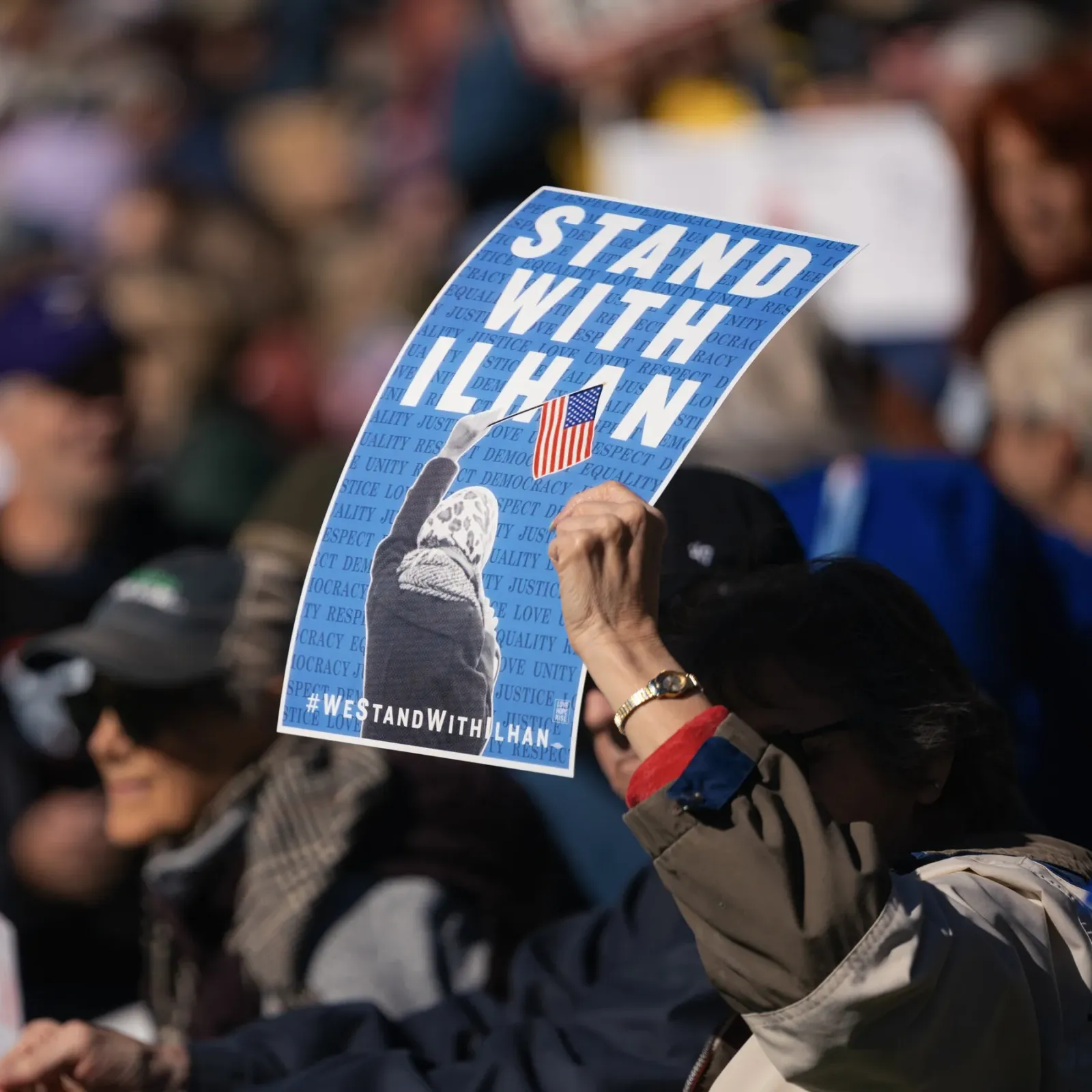
Obama Defends Ilhan Omar After Agents Search Her Home in Trump Inquiry
The former president's intervention raises the stakes in a federal probe into immigration paperwork that has put a prominent progressive lawmaker in the crosshairs.

Blair-era minister: cut welfare to fund youth job support
Alan Milburn's call for welfare cuts to fund employment support opens a Labour fight over benefits and the Neet crisis.
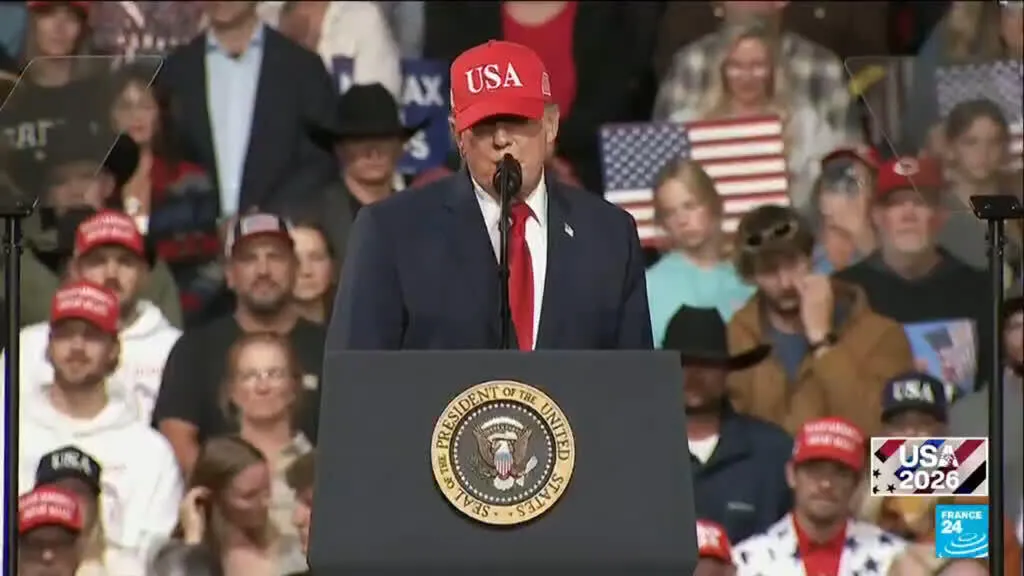
Hot September CPI: energy costs surge, voters feel the squeeze before midterms
The latest inflation print lands as Trump campaigns for GOP control of Congress, putting cost-of-living worries at the center of the midterm fight.