
ChatGPT hit 1B monthly app users in May as AI sentiment soured
A billion users landed in May, even as critics questioned AI’s ethics and environmental footprint. What it means for strategy now.
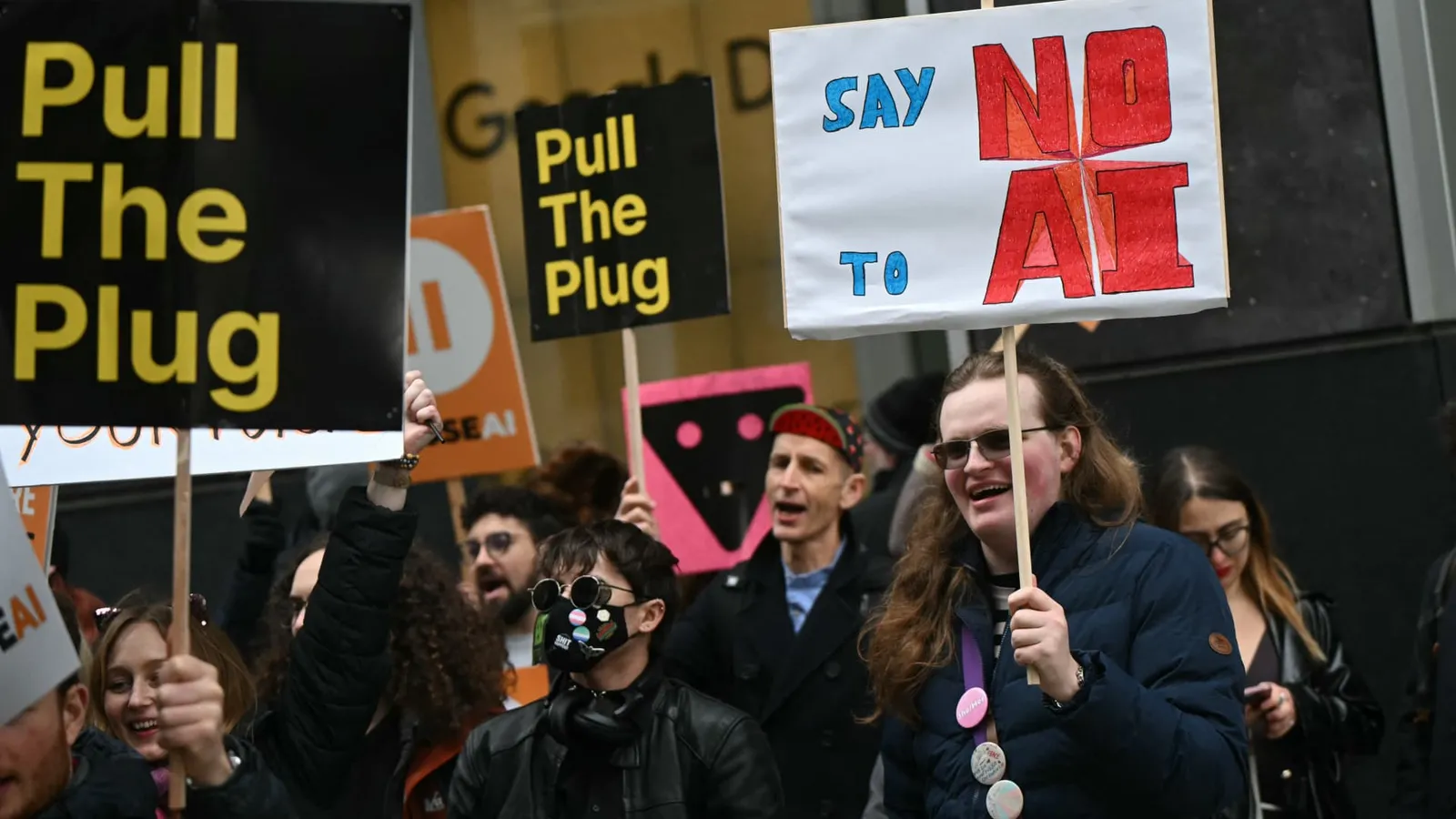
ChatGPT reached one billion monthly app users in May, according to CNBC. The milestone arrives as public AI sentiment grows uneasy about ethical and environmental impacts.
ChatGPT reached 1 billion monthly app users in May, hitting a major adoption milestone even as public AI sentiment keeps getting sour. The fact pattern matters: this is not a story about steady, universally welcomed growth. It is about rapid mainstream usage colliding with rising unease around what the technology is doing to society, and how the tech ecosystem is being asked to justify itself.
Put differently, the scoreboard is still going up. The browser tab and the app badge keep loading. But the surrounding debate is getting louder. CNBC frames this as “growing unease” over ethical and environmental impacts. That pairing, user growth and public discomfort, is exactly the kind of tension executives need to understand because it usually leads to policy pressure, reputation risk, and cost scrutiny, even when demand is strong.
For decision-makers, the key question is not whether ChatGPT is being used. It is. The question is how that usage gets translated into sustainable business outcomes when sentiment is moving against the technology. When public opinion turns, regulators and lawmakers often follow, and they rarely focus only on technical capability. They focus on guardrails, accountability, and disclosure. Even if a platform has clear product-market fit, the market environment can change quickly when ethical concerns become mainstream talking points.
The ethical and environmental categories CNBC cites are broad, but they point to two different pressure channels. The ethical channel tends to produce rules and standards around safety, misuse, transparency, data handling, and accountability when models produce harmful or misleading outputs. The environmental channel tends to produce scrutiny around compute intensity, energy consumption, and whether companies can justify the carbon and resource footprint of large-scale AI usage. In both cases, sentiment acts like an accelerant. It lowers political and social tolerance for “we’ll fix it later” approaches.
There is also a strategic board-level implication hidden in the timing. A milestone like “one billion monthly app users” is an internal celebration for growth teams and product leaders. It also becomes an external megaphone for everyone watching the company: policymakers, media, advocacy groups, customers, and competitors. When adoption scales to this level, so does the visibility of the downsides. That means boards should expect more questions about risk management, not less.
This matters beyond one company, because ChatGPT’s scale sets a reference point. Competitors and investors track adoption rates, but governments and regulators track impact and visibility. As more people use AI assistants, the “ethical and environmental impacts” debate becomes less theoretical and more measurable in public discourse. That can influence procurement decisions, enterprise rollouts, and partnership conversations. Enterprise buyers tend to ask whether vendors have credible governance plans, and they become more strict when sentiment turns.
So how should an executive interpret this moment? In the short run, you still have momentum. In the medium run, sentiment can change the operating constraints. If uneasy public sentiment persists, expect more pressure for compliance frameworks, reporting requirements, and technical guardrails. If environmental concerns keep rising, cost structures and infrastructure strategy can become part of the strategic story, not just a finance footnote.
The strategic stake for peers is simple: user growth does not automatically de-risk the business. ChatGPT reaching one billion monthly app users in May while unease grows around ethical and environmental impacts suggests an environment where demand and scrutiny move together. The companies that win next will be the ones that treat sentiment as an operational variable, not a PR problem. That is the gap between “people are using it” and “it is safe, legitimate, and economically defensible at scale.”
This story's Key Insights and Take-aways are locked.
Create a free account to unlock Executive Actions for one credit.
Register to UnlockAlways free for Executives Club members. Join the Club
More in Technology

OpenAI says 10,000 agents cracked a 90-year math problem in 88 hours
The company's claim is audacious, but one mathematician is pushing back. Here's what it means for AI-driven discovery.

Meta still serves child sexual abuse ads on Instagram in India - BBC report
A new report following the BBC Eye investigation says the ads are still there - what it signals for every platform with a self-serve ad engine.

White House yanks 'Build the Wall' game after Tetris Company copyright warning
The administration's arcade game vanished in hours - and the takedown playbook every brand can learn from.