
China banned crypto. So why is Solana opening a Shanghai office?
US-China tech rivalry may be opening a door for crypto, and Solana just walked through.
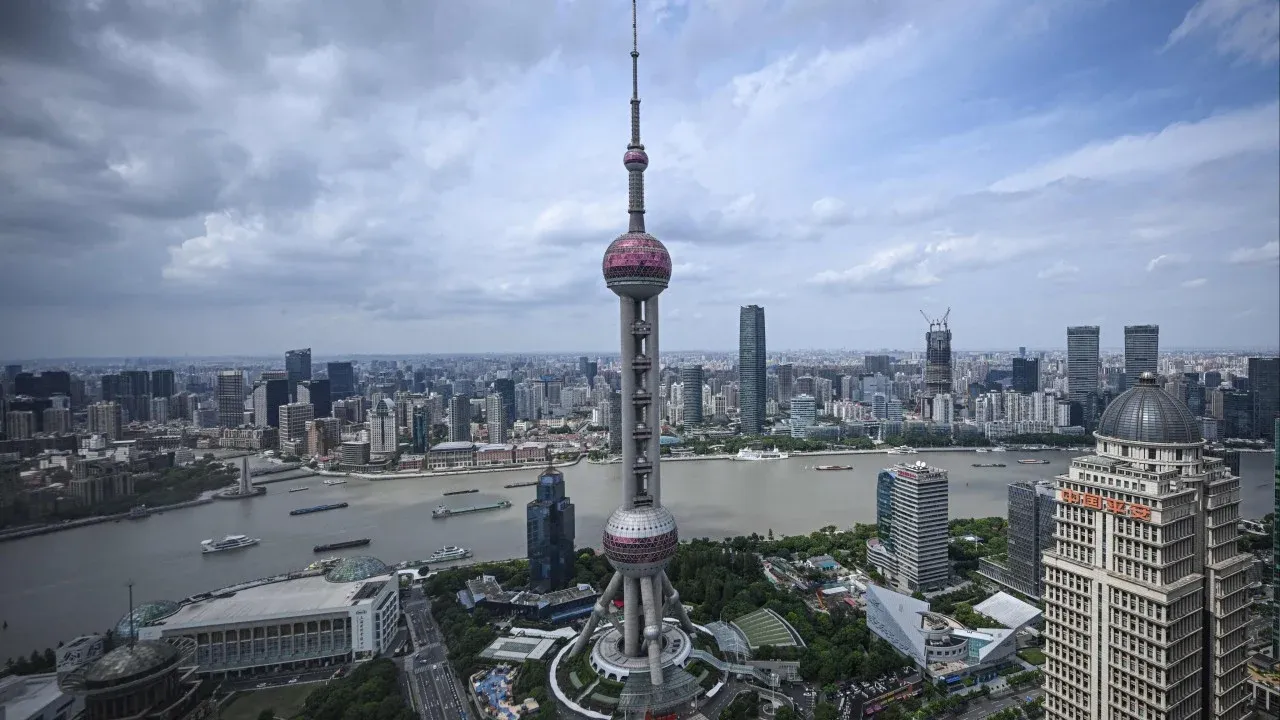
Solana, one of the world's largest cryptocurrency networks, has taken office space in Shanghai's Pudong district and launched a high-profile ad campaign, according to social media posts. The move is fueling speculation that intensifying US-China tech rivalry is creating a window for crypto firms to engage with the Chinese market.
China made its position on crypto unmistakably clear in 2021: all trading and mining were banned, and the government has not budged since. So when Solana, one of the world's largest cryptocurrency networks, took office space in Shanghai's Pudong district and launched a high-profile advertising campaign in the city, the crypto industry was set abuzz. The details come from social media posts, but the message is loud: a major Western crypto player is planting a flag in the world's most hostile crypto jurisdiction.
The obvious question is why. The answer, according to industry speculation, lies in the intensifying US-China tech rivalry. As Washington tightens export controls and investment restrictions on Chinese tech, Beijing may be looking for ways to engage with the global digital economy that do not depend on American-dominated infrastructure. Some observers believe that dynamic is creating a window of opportunity for crypto firms to test the waters in China, even as the official ban remains in place. Solana's move is the most visible sign yet that someone is willing to walk through that window.
For context, China's crypto ban was a watershed moment for the industry. In September 2021, the People's Bank of China declared all cryptocurrency transactions illegal, and a subsequent crackdown shuttered mining operations and exchanges. The ban pushed much of the industry to friendlier jurisdictions like Singapore, Dubai, and the United States. But it also created a vacuum: Chinese retail investors, who had once been among the most active crypto traders in the world, were cut off from the market. That vacuum has never been filled, and it remains a tantalizing prize for any platform that can find a legal way in.
Solana is not just any crypto project. It operates one of the largest blockchain networks, known for its high speed and low transaction costs, and it is often positioned as a direct competitor to Ethereum. The network has a significant following among developers and traders, and its native token, SOL, is among the top cryptocurrencies by market value. Opening a physical office in Shanghai's Pudong district, the city's financial hub, suggests a long-term commitment to the region, not just a marketing stunt. The accompanying ad campaign, which the posts describe as high-profile, indicates that Solana wants to be seen.
The office's exact function is not disclosed in the posts, and that ambiguity is itself a signal. China's ban makes it illegal to trade crypto or provide related services, so the office cannot be a straightforward exchange or brokerage. It could be a research hub, a liaison office for partnerships, or a base for hiring engineers and developers. The possibilities are wide, but the message is clear: Solana is willing to operate in a gray area, testing how much presence Beijing will tolerate.
The timing is telling. The US-China rivalry has moved from trade to technology, with Washington restricting exports of advanced chips and China responding with its own push for self-reliance. In that environment, crypto occupies an awkward position. The United States has been tightening its own crypto regulations, while China has maintained its ban. But the rivalry could make China more receptive to crypto firms that are not aligned with US interests, or that can offer an alternative to dollar-dominated financial systems. That is the speculation driving the buzz around Solana's Shanghai office.
For the broader crypto industry, the implications are significant. If Solana's move is a test balloon, other firms may follow, hoping to establish a presence in China without triggering a regulatory crackdown. The office could serve as a base for networking, talent acquisition, or partnerships with Chinese tech companies that are themselves looking for ways to participate in the global digital economy. It could also be a hedge: if China ever relaxes its ban, Solana would be first in line. But the risks are just as real. The Chinese government has shown little tolerance for crypto, and any misstep could lead to a public reprimand or worse. Historically, Beijing has not hesitated to crack down on industries it views as threats, and a high-profile foreign crypto firm could easily become a target.
For founders and operators watching from the sidelines, the lesson is not that China is opening its doors to crypto. It is that geopolitical shifts can create unexpected openings, even in the most regulated industries. The US-China rivalry is reshaping global tech flows, and companies that can navigate the gray areas may find opportunities that were unthinkable a year ago. Solana's Shanghai office is a bet that the world is changing, and that the old rules may not hold forever. Whether that bet pays off depends on how far Beijing is willing to go in its quiet competition with Washington.
This story's Key Insights and Take-aways are locked.
Create a free account to unlock Executive Actions for one credit.
Register to UnlockAlways free for Executives Club members. Join the Club
More in Business

Elon Musk unveils a flying car, and SpaceX helped build it
The Tesla CEO's showcase at a SpaceX facility signals a future where road and rocket engineering converge.

Apple's $2,000 iPhone Duo opens preorders, taking on Samsung and Google
Apple's first foldable hits the market at a premium price, reshaping a category Samsung and Google have led.

Pope Leo XIV, first American pope, diagnosed with lung cancer
The 71-year-old Chicago-born pontiff underwent successful surgery on his right lung, and his diagnosis raises new questions about his AI-focused papacy and the Vatican's future.