

China's $54B bank and insurer injection fails to lift stocks
Beijing's capital boost aims to strengthen financial institutions and mobilize market resources, but investors remain skeptical.
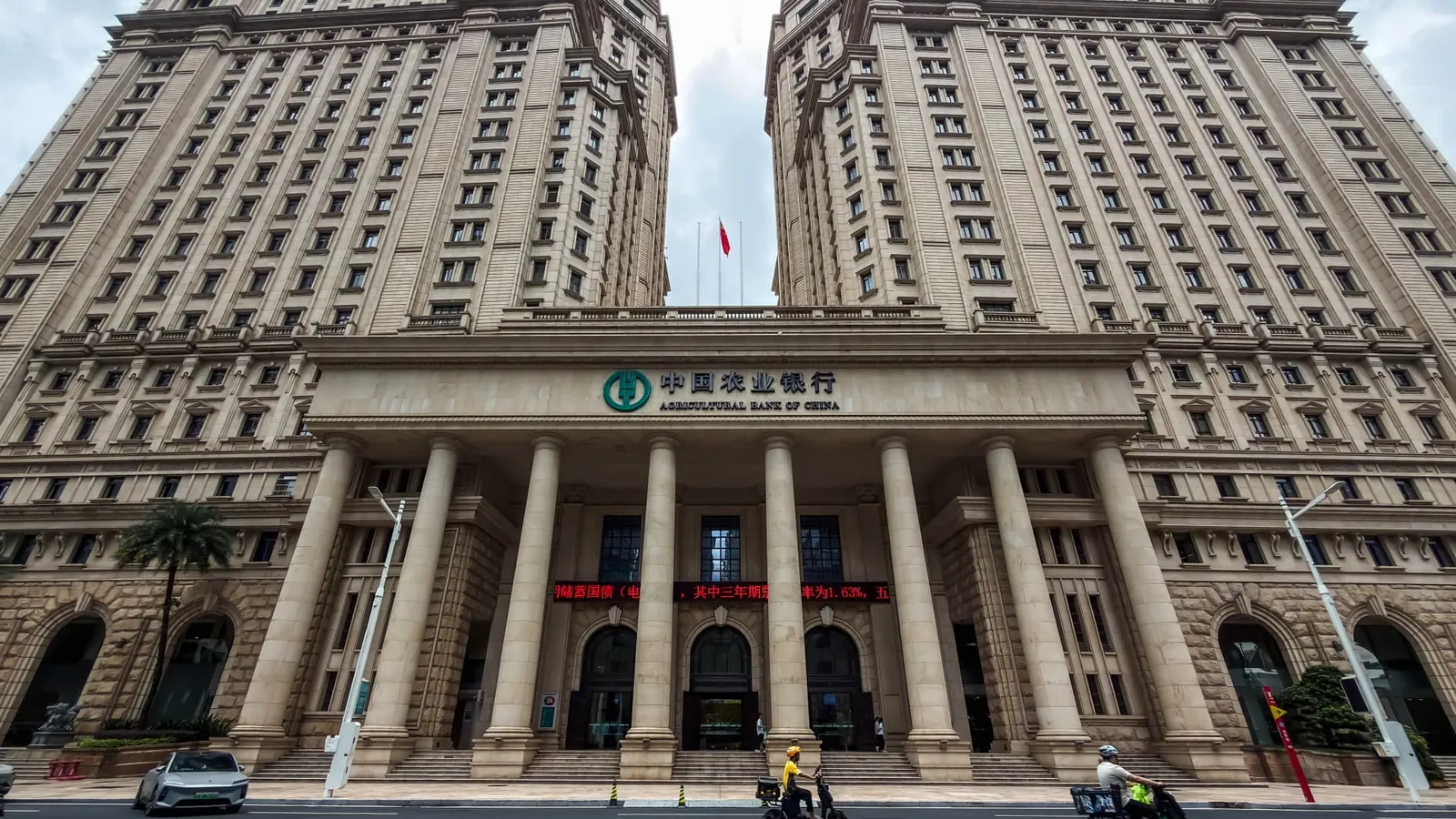
China announced a $54 billion capital injection into its largest banks and insurers to bolster their balance sheets and support capital markets. Despite the move, financial stocks fell, signaling investor doubts about the effectiveness and broader economic impact.
China's announcement of a $54 billion capital injection into its major banks and insurers was meant to be a shot of adrenaline for the financial system. Instead, the market shrugged, and financial stocks actually fell. The move, reported by CNBC, is a clear signal that Beijing wants its financial institutions to do more than just sit on their capital - it wants them to mobilize resources into capital markets. But investors, it seems, are not convinced that a bigger cushion alone will solve the underlying problems weighing on the economy and the sector.
The $54 billion figure is not pocket change. It represents a deliberate effort by Chinese regulators to strengthen the capital positions of the country's largest financial institutions, giving them more room to lend and invest. The logic is straightforward: with a bigger capital cushion, these banks and insurers can absorb more risk and, in turn, be asked to do more to support the real economy and capital markets. Analysts quoted in the source note that this is exactly the intention - the injection is not just about safety, but about deployment. Beijing wants these institutions to be more aggressive in channeling funds into equities, bonds, and other market instruments.
Yet the market's reaction tells a different story. Financial stocks fell despite the injection, a classic case of "sell the news." Investors may be worried that the capital injection is a band-aid on a deeper wound. China's economy has been grappling with a property crisis, sluggish consumer demand, and deflationary pressures. A bigger capital base for banks does not automatically translate into more lending if there are no creditworthy borrowers. Similarly, insurers with more capital may not rush into equities if market volatility and regulatory uncertainty remain high.
This is not the first time Beijing has tried to shore up its financial system. Historically, China has used capital injections to stabilize its banks, particularly during the global financial crisis and the more recent COVID-19 pandemic. The approach has had mixed results. In some cases, it helped avert a systemic crisis; in others, it merely delayed the inevitable reckoning. The current injection comes at a time when Chinese banks are facing rising non-performing loans, especially from the property sector, and thin profit margins. The capital boost may help them meet regulatory requirements, but it does little to address the root causes of their stress.
For executives and boards, the takeaway is that capital is necessary but not sufficient. The real question is how effectively these institutions deploy the new funds. Will they increase lending to small and medium-sized enterprises? Will they buy more government bonds? Will they take on more equity exposure? The source suggests that regulators will push for more market participation, but the market's skepticism suggests that investors want to see actual results, not just promises.
The broader implication is for global investors and companies with exposure to China. A healthier Chinese financial system could support economic growth, which would be a positive for global trade and commodity prices. But if the injection fails to revive lending and market activity, the drag on the global economy could persist. The fall in financial stocks is a warning sign that the market is not yet convinced the medicine will work.
For CFOs and treasurers of multinational companies, this development is worth monitoring. If Chinese banks become more willing to lend, it could ease financing conditions for companies operating in China. Conversely, if the injection leads to more aggressive risk-taking, it could create new vulnerabilities. The key is to watch how the banks deploy their new capital in the coming quarters.
In the end, the $54 billion injection is a bold move, but it is not a silver bullet. The market's negative reaction underscores the deep-seated challenges facing China's financial sector and economy. For now, the smart money is watching closely, waiting to see if Beijing's capital boost translates into real economic momentum or just another round of financial engineering.
This story's Key Insights and Take-aways are locked.
Create a free account to unlock Executive Actions for one credit.
Register to UnlockAlways free for Executives Club members. Join the Club
More in Business

Amazon Prime Air 767 overshoots Miami runway, killing at least 5
The Boeing 767 freighter from San Juan struck vehicles and erupted in flames, prompting a ground stop and a fresh NTSB investigation into Amazon's air cargo network.

Death sentence for TV presenter Sarah Khalifa: Egypt's drug case hits media
The sentencing of Sarah Khalifa and 11 others underscores the severity of Egypt's anti-drug laws and the exposure of public figures to capital punishment.
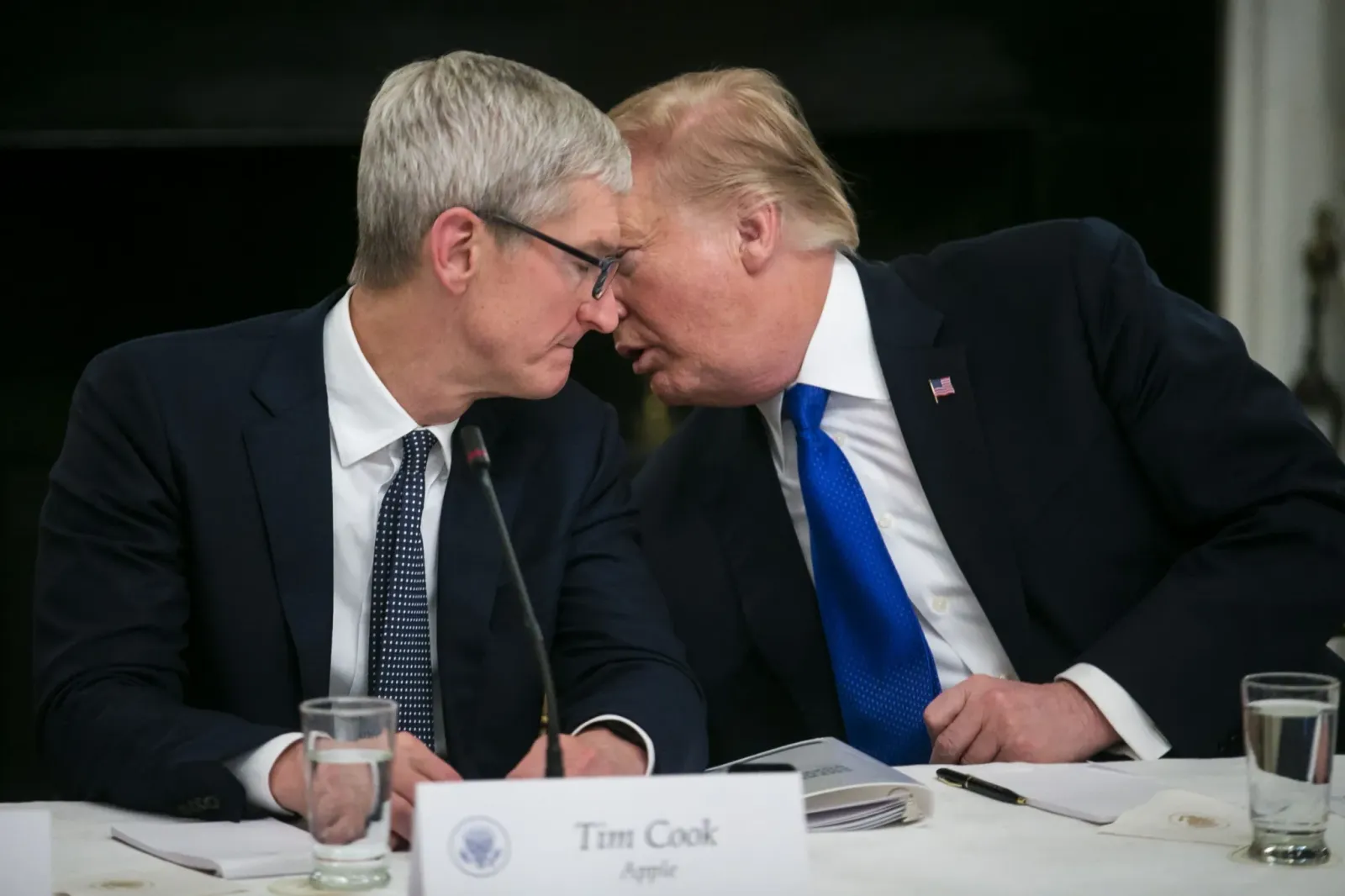
Tim Cook steps down as Apple CEO, stays on as chair with $45M equity
The 'Trump whisperer' keeps his White House and Beijing access as Apple navigates tariffs and a $4.6 trillion market cap.