
China's $54B capital injection steels eight state banks and insurers for rough road
Beijing is front-loading 360 billion yuan into the financial system's biggest names to absorb bad-loan pressure and reignite credit growth.
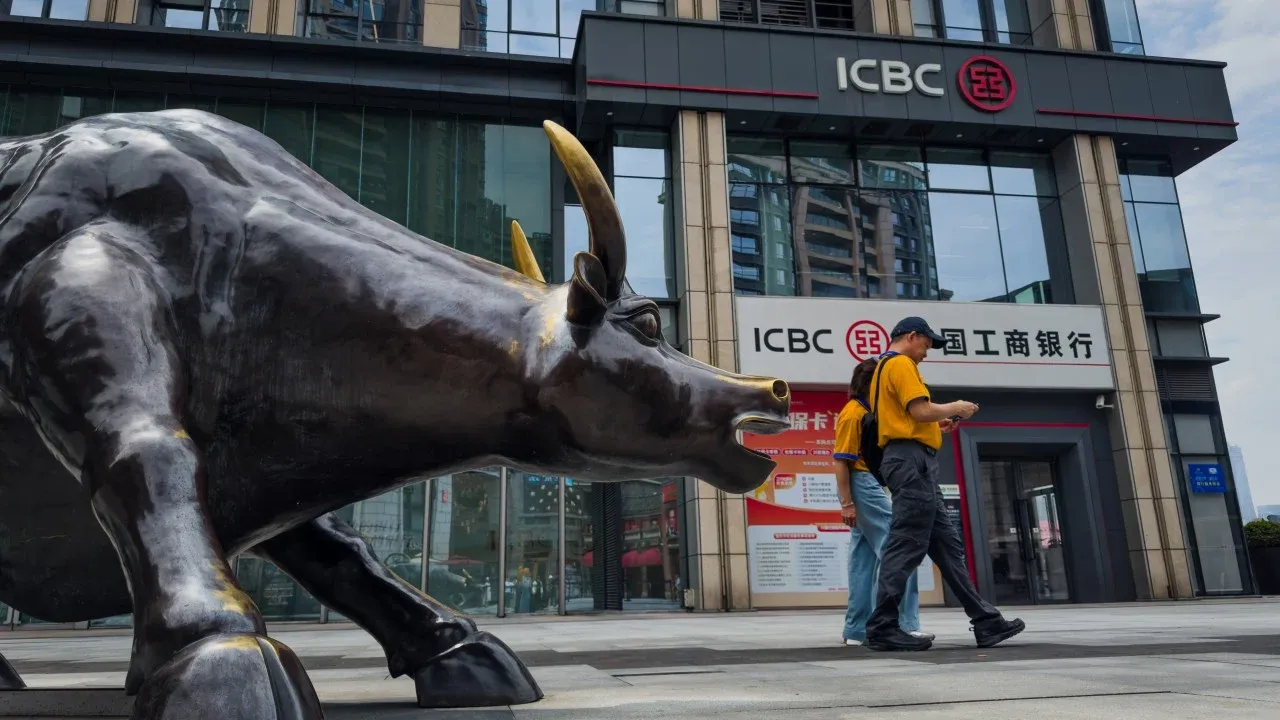
China is injecting around 360 billion yuan ($54 billion) into eight state-owned banks and insurers, led by 290 billion yuan for Agricultural Bank of China and ICBC through private A-share placements. The move signals official concern over capital buffers and credit demand, with implications for how banks raise, deploy, and protect capital through the cycle.
China just handed eight of its biggest state banks and insurers a 360 billion yuan ($54 billion) lifeline - the clearest signal yet that policymakers are bracing the financial system for a tougher stretch. The bulk of the cash is going to two of the largest commercial lenders: Agricultural Bank of China will raise 160 billion yuan and Industrial and Commercial Bank of China will raise 100 billion yuan through private placements of new A-shares, the banks said on Sunday. Together with a third state bank, the combined haul reaches 290 billion yuan, with the rest spread across five other banks and insurers under the state's umbrella.
The injection is less a rescue than a fortification. Beijing is putting capital on the books of lenders and insurers before asset quality problems, slower loan growth, and thin net interest margins do more damage. For boardrooms and CFOs watching from other markets, the move is a window into how the world's second-largest economy manages systemic pressure: quietly, early, and with the state's balance sheet out front. The fact that the capital is coming through private placements of new A-shares, rather than open-market buys, means the state is deliberately expanding its own ownership stake while locking in fresh equity at a time when bank valuations remain depressed.
The scale of the operation matters as much as the mechanics. A $54 billion capital boost across eight institutions is not a rounding error; it is roughly the size of a mid-tier global bank's entire market cap. For Agricultural Bank of China, the 160 billion yuan injection will meaningfully lift its common equity tier-one ratio, the key buffer regulators watch when stress-testing banks against bad loans. ICBC, already the world's largest bank by assets, gets extra headroom to keep lending into a property sector that is still deflating and a local government financing apparatus that needs refinancing. The capital is not earmarked for shiny new projects - it is meant to absorb losses and reassure depositors and counterparties that the system has staying power.
The timing is no coincidence. China has been wrestling with deflationary pressures, weak consumer confidence, and a property downturn that has dragged on for years. Banks have responded by cutting lending rates to spur demand, which squeezes the gap between what they earn on loans and what they pay for deposits. That squeeze, combined with rising delinquencies in commercial real estate and local government vehicles, has made it harder for lenders to build capital organically through retained earnings. Hence the state's decision to step in directly: when internal capital generation stalls, external capital injection is the fastest way to keep credit flowing and confidence intact.
Insurers in the group are getting a similar shield, though the source material does not break out their individual allocations. For insurers, capital adequacy is about honoring policy payouts and surviving sudden claims spikes or market drawdowns. By folding them into the same injection round as the banks, Beijing is signaling that the entire financial plumbing - not just the lending side - gets backstopped when the macro environment turns unforgiving. That is a reassuring message for policyholders and a reminder to insurers in other jurisdictions that regulators are watching duration risk, investment yield, and reserve adequacy with a keener eye.
For executives at comparable lenders and insurers globally, the takeaways run deeper than the headline number. First, the private-placement structure avoids diluting existing public shareholders through a rights issue, but it does concentrate ownership further in state hands - a trade-off between market discipline and control. Second, the injection is likely to lift the lending capacity of these institutions, which means Chinese credit growth could get a second wind, with ripple effects for commodity demand, global trade flows, and emerging-market capital allocation. Third, the move normalizes the idea that systemically important financial institutions cannot be allowed to fail quietly; capital support is a policy tool, not a last resort.
The rougher road ahead is not just a metaphor. Analysts will watch whether the fresh capital translates into new loans or simply backstops existing exposure, and whether insurers use the buffer to underwrite more aggressively or de-risk. What is already clear is that China's financial guardians are choosing to act hard and act early, trading a bit of state balance sheet for a lot of financial stability. For any CFO or board that has debated whether to raise capital in a down cycle, the message from Beijing is straightforward: fortify before the storm, not after.
This story's Key Insights and Take-aways are locked.
Create a free account to unlock Executive Actions for one credit.
Register to UnlockAlways free for Executives Club members. Join the Club
More in Business
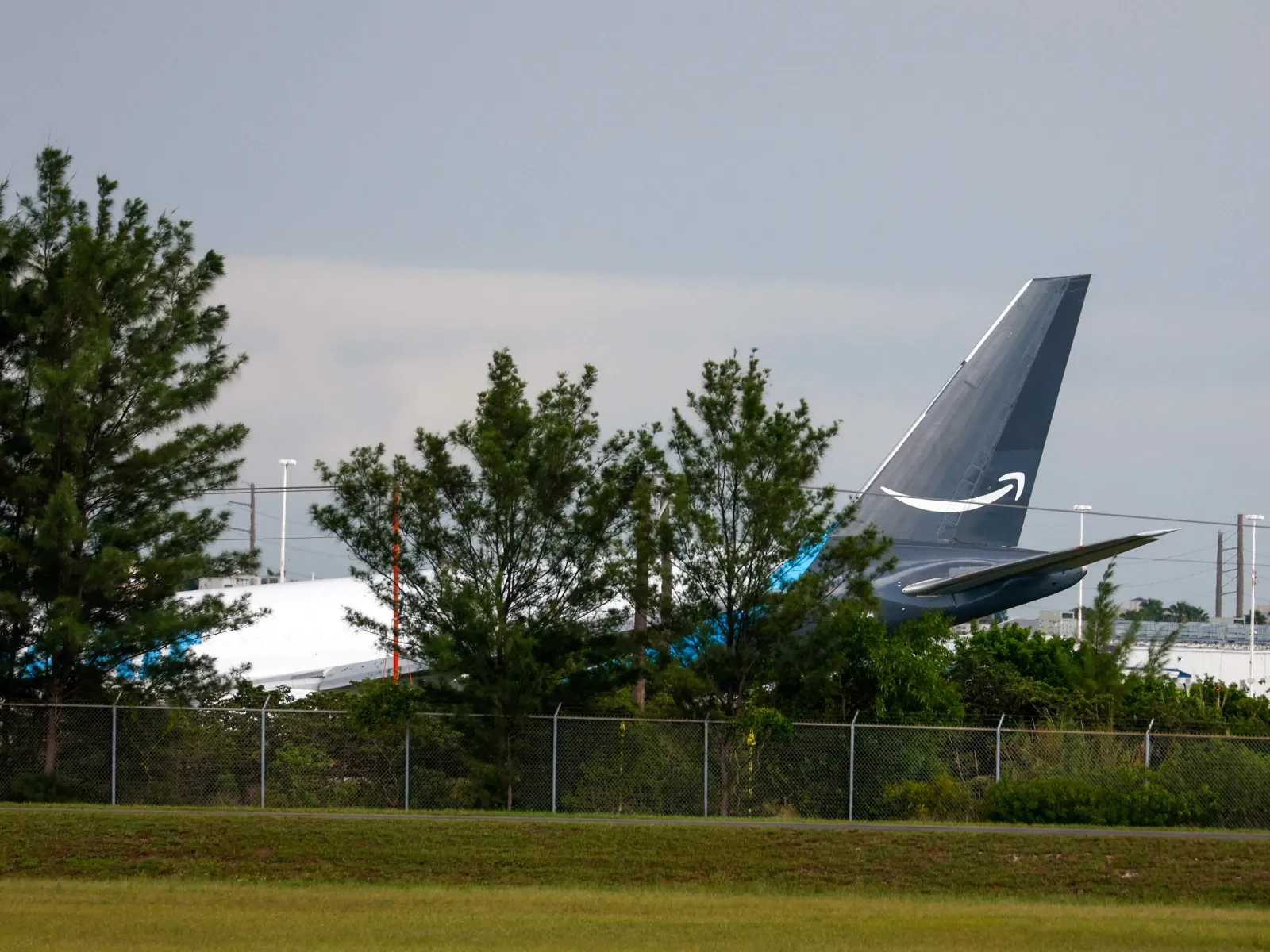
Amazon Prime Air 767 overshoots Miami runway, killing at least 5
The Boeing 767 freighter from San Juan struck vehicles and erupted in flames, prompting a ground stop and a fresh NTSB investigation into Amazon's air cargo network.

Death sentence for TV presenter Sarah Khalifa: Egypt's drug case hits media
The sentencing of Sarah Khalifa and 11 others underscores the severity of Egypt's anti-drug laws and the exposure of public figures to capital punishment.
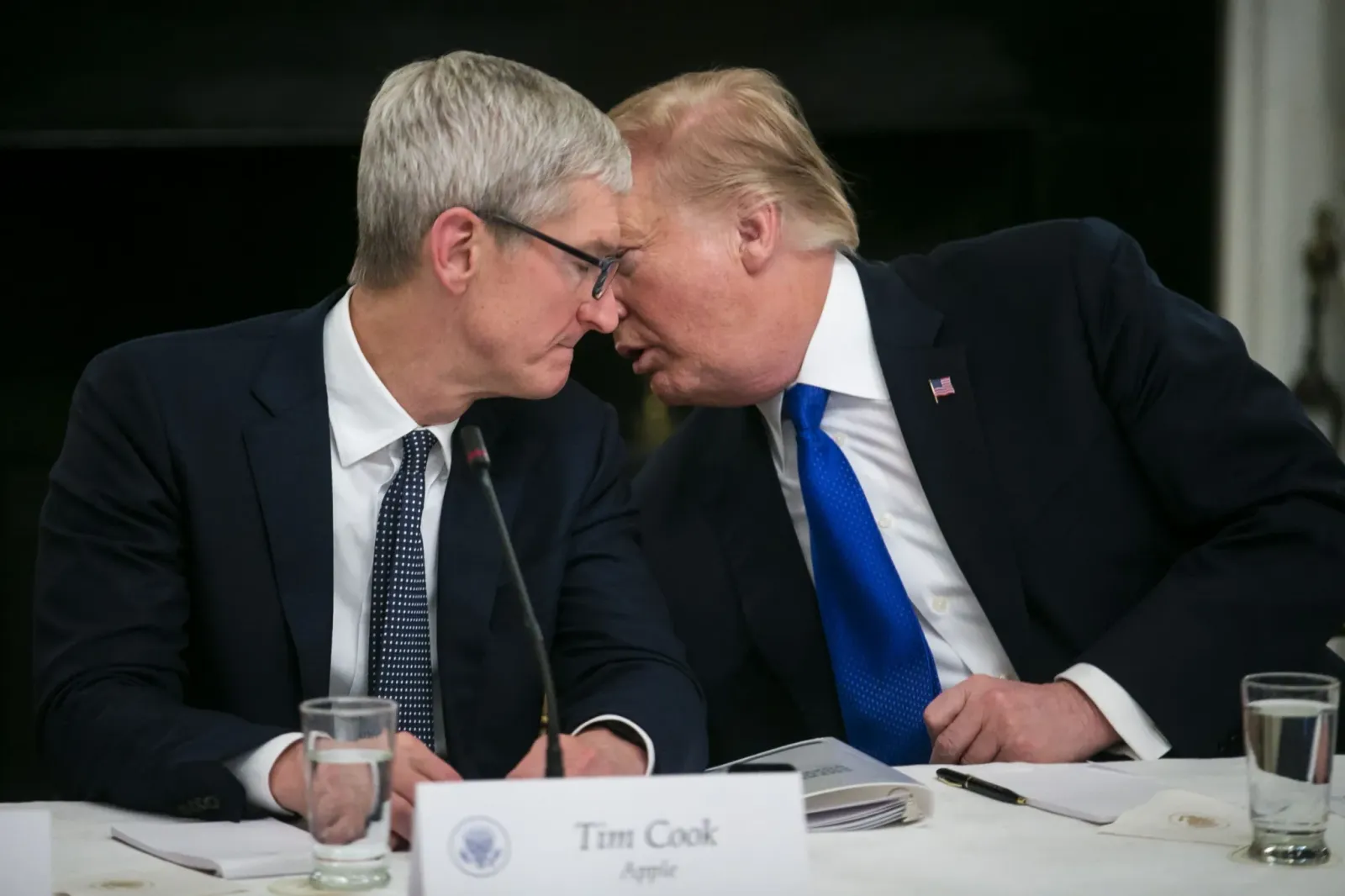
Tim Cook steps down as Apple CEO, stays on as chair with $45M equity
The 'Trump whisperer' keeps his White House and Beijing access as Apple navigates tariffs and a $4.6 trillion market cap.