

China's $54bn bank boost can't fix the balance-sheet rot
The capital injection aims to spur lending, but legacy bad debts and weak demand keep banks cautious. Here's what it means for credit growth.

China injected $54bn into its largest banks to bolster capital and encourage lending, but the move falls far short of addressing persistent balance-sheet weaknesses. For executives, this signals continued credit constraints and a need for deeper structural reforms.
China just handed its banking system a $54bn capital injection, but the move is a band-aid on a broken leg. The boost, designed to shore up balance-sheets and unlock lending, falls far short of what's needed, according to The Economist. The reason? Old problems still bedevil the sector: weak asset quality, sluggish demand, and a lingering reluctance to take on new risk. The money is real, but it doesn't fix the underlying rot.
Here's the catch: capital alone doesn't make banks lend. Even with a fresh cushion, lenders remain cautious because their balance-sheets are still weighed down by legacy bad debts - think troubled property developers and local government financing vehicles. These are the same old problems that have held back credit for years, and a capital boost doesn't erase them. It just gives banks a little more room to absorb losses, not a reason to pile into new loans.
For context, Chinese banks have historically carried high levels of non-performing loans, and the property sector's downturn has only made things worse. The $54bn is a meaningful sum, but it's a drop in the bucket compared to the scale of the sector's total assets. Analysts have long argued that what banks really need is a comprehensive cleanup of bad assets, not just a capital top-up. Without that, the injection risks being used to paper over losses rather than to fund productive lending.
The implications for the broader economy are significant. If banks stay cautious, credit growth will remain tepid, which in turn drags on investment and consumption. That's a problem for a government trying to stimulate growth. The capital boost is a signal that Beijing wants banks to lend more, but the banks themselves are signaling they'd rather protect their balance-sheets than take on new risk. The result is a standoff: the state pushes, the banks resist, and the economy feels the pinch.
Regulators are in a tough spot. They want to encourage lending without triggering a new wave of bad loans. The $54bn injection is a compromise - enough to show intent, but not enough to force a real change in behavior. It's a stopgap, not a solution. For executives in banking and finance, this is a clear warning: don't expect capital injections to magically revive credit. The real work lies in asset quality, risk management, and restructuring - none of which can be solved with a check.
For peers in other emerging markets, the lesson is universal. Capital is necessary but not sufficient. A bank with a weak loan book will hoard capital, not deploy it. The strategic takeaway is that boards and CFOs should focus on the quality of assets, not just the quantity of capital. If your balance-sheet is riddled with problem loans, no amount of fresh equity will convince you to lend aggressively.
So what happens next? Watch for further measures - perhaps more targeted support for troubled sectors or regulatory pressure to force lending. But don't hold your breath for a quick fix. The $54bn is a step, but it's a small one. The old problems remain, and they're not going away anytime soon. For now, the banks will keep their powder dry, and the economy will keep waiting for the credit that never quite arrives.
This story's Key Insights and Take-aways are locked.
Create a free account to unlock Executive Actions for one credit.
Register to UnlockAlways free for Executives Club members. Join the Club
More in Business

Amazon Prime Air 767 overshoots Miami runway, killing at least 5
The Boeing 767 freighter from San Juan struck vehicles and erupted in flames, prompting a ground stop and a fresh NTSB investigation into Amazon's air cargo network.

Death sentence for TV presenter Sarah Khalifa: Egypt's drug case hits media
The sentencing of Sarah Khalifa and 11 others underscores the severity of Egypt's anti-drug laws and the exposure of public figures to capital punishment.
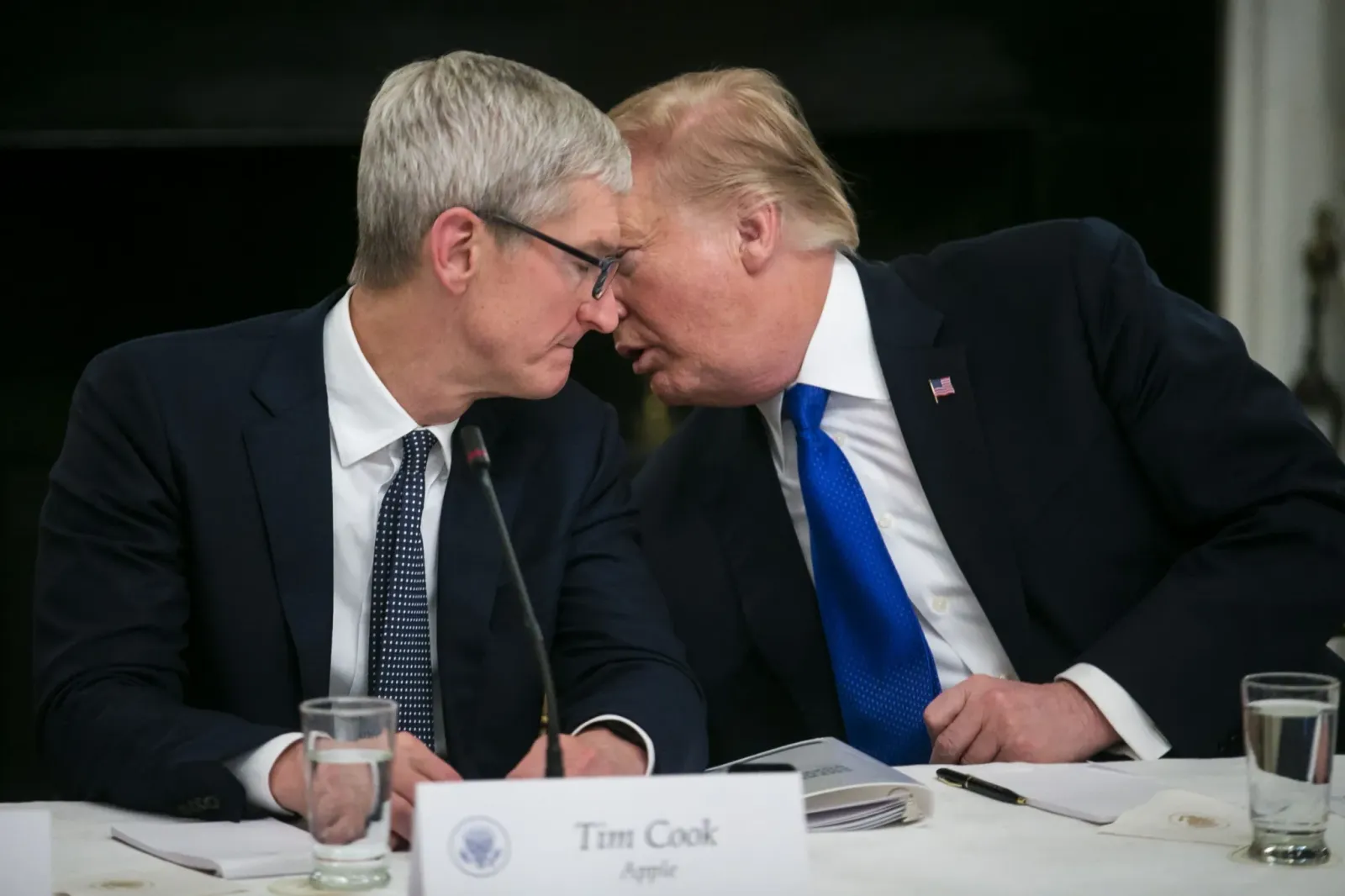
Tim Cook steps down as Apple CEO, stays on as chair with $45M equity
The 'Trump whisperer' keeps his White House and Beijing access as Apple navigates tariffs and a $4.6 trillion market cap.