
China's IPO boom hits $54B as AI frenzy lures listings home
Hong Kong and Shanghai now capture 21% of global IPO proceeds, with AI chipmakers and Shein leading a homecoming wave.
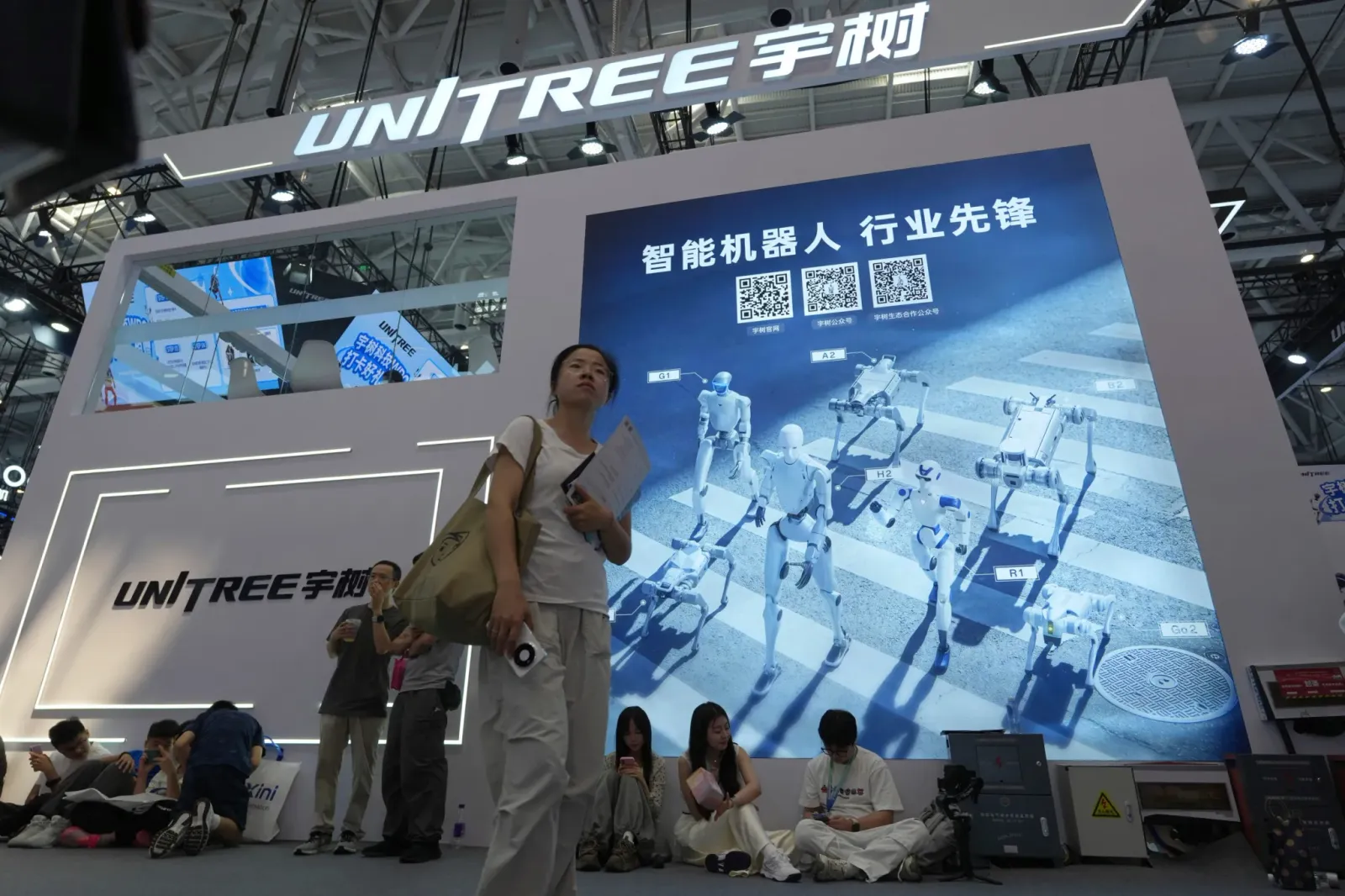
China's IPO market has raised over $54 billion this year, with Hong Kong and Shanghai capturing 21% of global proceeds, driven by AI and tech listings like Shein's $1.7B debut. For executives, this signals a strategic shift toward domestic capital markets amid regulatory and geopolitical pressures.
China's IPO engine is running hot. So far in 2026, listings on the Hong Kong and Shanghai exchanges have pulled in more than $54 billion, already surpassing last year's full-year total of $46 billion and accounting for 21% of global IPO proceeds. That puts China second only to the Nasdaq, which has captured roughly 55% of worldwide issuance, powered largely by SpaceX's mega $75 billion listing in June. The driver? A relentless AI frenzy that has pushed investors to back everything from chipmakers to humanoid robot developers, and a growing preference among Chinese companies to list at home rather than brave U.S. markets.
The latest proof point came Tuesday, when Shein, the fast-fashion giant founded in China, is set to debut on the Hong Kong exchange in a blockbuster IPO raising $1.7 billion. That makes it one of the city's biggest new share sales this year. But the valuation tells a more cautious story: Shein is priced at around $27 billion, a fraction of its peak valuation from a few years ago. The discount reflects U.S. and EU moves to restrict de minimus tax exemptions for small-package imports, a core part of Shein's business model. Still, the listing underscores a broader trend: Chinese companies are increasingly choosing home turf over overseas exchanges.
That shift didn't happen overnight. Stricter U.S. and Chinese regulatory scrutiny over the past several years has made cross-border listings more complex, especially for firms in strategically sensitive sectors like advanced technology. "Listing overseas typically takes more time compared with doing IPOs in China," said Howie Farn, a capital markets partner at law firm Freshfields. The result is a pipeline of high-profile names opting for Hong Kong or Shanghai. Apple supplier Luxshare Precision Industry and Zhongji Innolight, a maker of optical transceivers for data centers, have both completed major listings this year, reflecting strong investor demand for advanced tech plays.
The AI boom is the fuel. CXMT, China's largest memory chipmaker, raised more than $8.6 billion in Shanghai in July, marking the second-largest IPO on the Nasdaq-style STAR Market. Its shares jumped 466% on the first day of trading, and the company's revenue surged more than 700% year-on-year to 50.8 billion yuan (about $7.5 billion) in the first three months of 2026, driven by soaring demand for computer chips used in AI applications. Unitree, a leading humanoid robot maker, also listed in Shanghai in August, with shares soaring 460% on debut. These numbers are eye-popping, but they also raise questions about sustainability.
Investors are starting to blink. Unitree's share price has fallen more than 40% from its peak as of Friday, a reminder that even the hottest AI names can cool quickly. "The critical question remains: is the AI sentiment enough?" said Ruiying Zhao, a senior research analyst at S&P Global Market Intelligence. "For a durable market cycle, investors will demand sustainable revenue, visible profit margins, and realistic valuations." Zhao's caution echoes concerns in the U.S., where the AI trade has also faced scrutiny. But in China, the frenzy has also diverted attention from other sectors. "The AI investment cycle is absorbing much of the risk appetite that would have otherwise flowed to a company like Shein," said Jacob Cooke, CEO of WPIC Marketing + Technologies.
For executives watching from the sidelines, the message is clear: China's capital markets are now a viable, even preferred, destination for tech and consumer listings. The combination of regulatory alignment, domestic investor enthusiasm, and government support for strategic industries has created a window that didn't exist a few years ago. But the window comes with volatility. The steep post-IPO declines at companies like Unitree show that pricing discipline matters, and that frothy first-day pops don't guarantee long-term value creation.
The strategic stakes extend beyond China. As more Chinese companies stay home, global investors lose access to some of the world's fastest-growing tech names. For multinationals and funds, that means recalibrating portfolios and finding new ways to gain exposure. For boards of companies considering IPOs, the takeaway is to weigh the speed and certainty of a domestic listing against the prestige and liquidity of a U.S. or European exchange. The $54 billion raised so far this year is a testament to how far China's market has come, but the real test will be whether these listings can deliver durable returns once the AI hype fades.
This story's Key Insights and Take-aways are locked.
Create a free account to unlock Executive Actions for one credit.
Register to UnlockAlways free for Executives Club members. Join the Club
More in Business

Death sentence for TV presenter Sarah Khalifa: Egypt's drug case hits media
The sentencing of Sarah Khalifa and 11 others underscores the severity of Egypt's anti-drug laws and the exposure of public figures to capital punishment.

Tim Cook steps down as Apple CEO, stays on as chair with $45M equity
The 'Trump whisperer' keeps his White House and Beijing access as Apple navigates tariffs and a $4.6 trillion market cap.
Snowflake shares surge as AI data demand crushes estimates, lifting full-year forecast
Stocks jumped on stronger-than-expected guidance, signaling enterprise AI workloads are accelerating faster than Wall Street priced in.