
Chinese vape makers sell nicotine analogs that could outpower nicotine, sidestepping US rules
Nicotine analogs like 6-methyl-nicotine have been studied for decades. Now they appear in vapes aimed at bypassing regulation.
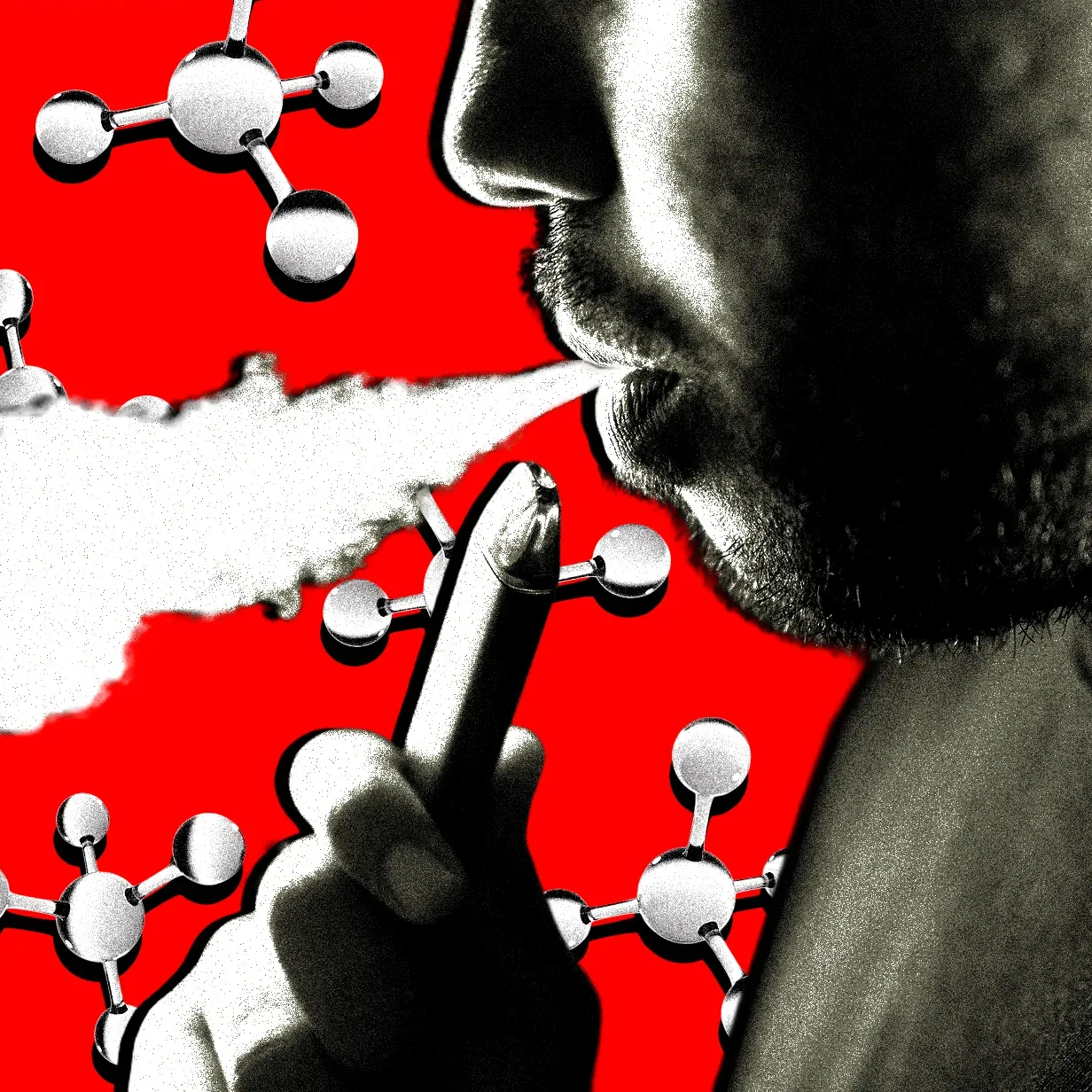
Chinese vape makers are selling e-cigarette products containing nicotine analogs, including chemicals such as 6-methyl-nicotine. The shift matters because it offers a regulatory workaround in the US for decision-makers trying to control product ingredients and youth risk.
Big Tobacco studied nicotine analogs for decades, including compounds like 6-methyl-nicotine, but never marketed them. Now Chinese vape makers are doing something Big Tobacco did not: using those nicotine analogs in products sold into markets where US rules can be sidestepped.
The key issue is potency. WIRED reports that the chemicals in these Chinese vape offerings have potential to be more potent than nicotine, even though the category has historically lived in labs, not retail. That is the pivot. It is not just another tweak to flavors or devices. It is an ingredient strategy that tries to move around how US regulators draw the lines.
To understand why this is a big deal for executives, it helps to remember how regulation often works in consumer nicotine markets. Rules tend to get written around named substances or clearly defined ingredient categories. If a product uses a compound that is not treated the same way as nicotine itself, it can slip through the gaps, even if the functional effect is similar or stronger. In this case, nicotine analogs represent a class of chemicals designed to mimic or relate to nicotine. Big Tobacco studied them for years. That suggests the science and risk awareness were there. The difference is marketing and distribution. For decades, they stayed off the shelf. Now, they are.
The incentives behind this kind of move are straightforward. Vape makers face intense pressure, including efforts to restrict availability, market claims, and access. When companies hit regulatory walls for nicotine-based products, one workaround is to change the chemical identity while trying to preserve the consumer experience. If a nicotine analog can produce a stronger impact than nicotine, it could also change the commercial equation: potentially fewer puffs, faster satisfaction, or different dosing dynamics. Even without inventing any numbers, the strategic point is clear. Ingredient substitution is a lever, and it shifts the game from marketing copy to chemistry.
Why mention Big Tobacco at all? Because the WIRED framing highlights an uncomfortable asymmetry. Big Tobacco studied these nicotine analogs like 6-methyl-nicotine for decades but did not market them. That is notable not as gossip, but as context. When the incumbents do not commercialize a certain chemical class, boards and regulators usually treat that as a signal that the risk profile, uncertainty, or legal exposure may be real. Chinese vape makers appear to be treating the same uncertainty as an opportunity.
For decision-makers on the compliance, product, and risk sides, the second-order implication is that ingredient-based compliance might not be enough. If regulators and companies are focused on nicotine itself, then nicotine analogs that are chemically related but treated differently can create enforcement friction. This is the compliance nightmare pattern: you close the loophole you named, and someone changes the variable you did not specify. In practice, that means the diligence and monitoring burden moves upstream to chemical identity verification, supplier disclosures, and broader definitions of “nicotine-like” substances.
There is also a market integrity angle. When vape products are differentiated not by device quality but by chemical tricks, the competitive landscape gets distorted. Law-abiding operators can be disadvantaged if enforcement is slow or inconsistent, while bad actors can scale products quickly by leveraging regulatory timing. That is why investors and boards should care even if they are not directly involved in importing or manufacturing. The regulatory environment affects entire categories, not only individual brands.
The strategic stake is simple: if nicotine analogs with potential higher potency are being used to sidestep US regulations, the likely future is tighter scrutiny, expanded definitions, and more aggressive enforcement. That can mean compliance costs rising for everyone and product roadmaps getting forced to pivot. Executives who oversee risk, government affairs, or product integrity should treat this as a warning that the category’s regulatory fight is shifting from marketing claims to molecular details.
This story's Key Insights and Take-aways are locked.
Create a free account to unlock Executive Actions for one credit.
Register to UnlockAlways free for Executives Club members. Join the Club
More in Technology

Google quietly links your phone number to every Android account on your SIM
Adding a SIM now ties your phone number to all Google accounts - and future accounts inherit it. Here's the security and privacy stakes.

Hijacker AI 'Skynet mode' runs 100,000 attack steps against exposed models
Symantec caught a criminal AI agent that borrows other models, steals data, and mines crypto; the only relief is no confirmed victims yet.

Nvidia's AI-financier shift faces its first big test as neoclouds stumble
A rout in neocloud stocks is forcing investors to weigh Nvidia's hidden exposure as both supplier and lender to the AI buildout.