

Chris Meledandri bets Illumination’s future on “Minions & Monsters” and surprise
A $85 million (around) risk, a three-year build, and a filmmaker-first approach aimed at beating predictability.
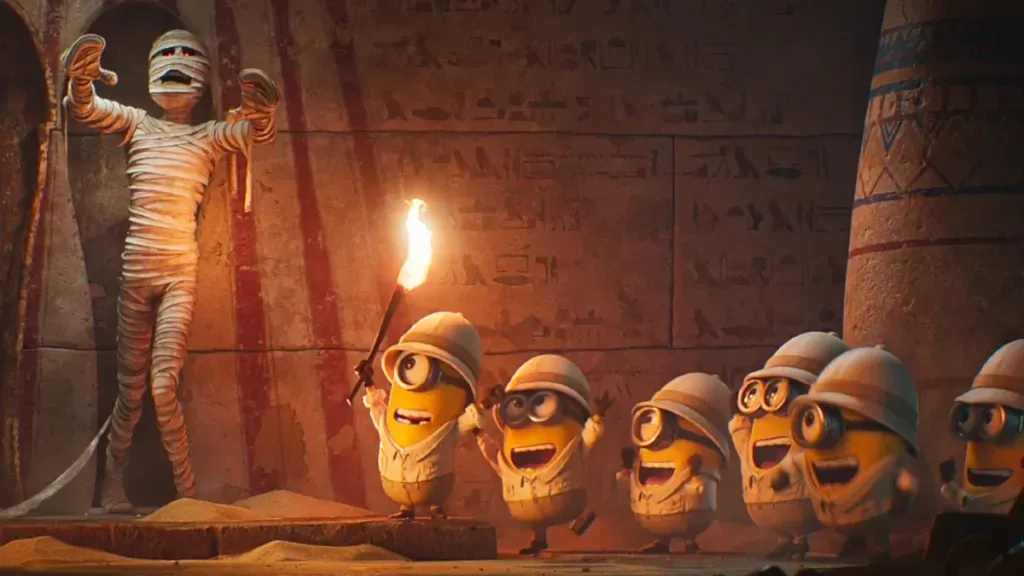
Illumination founder and CEO Chris Meledandri frames “Minions & Monsters” as the template for the studio’s next era. For decision-makers, his pitch is simple: keep spending big, but design for surprise, not comfort.
Chris Meledandri is betting Illumination’s next chapter on “Minions & Monsters,” a “Despicable Me” and Minions franchise entry that cost around $85 million and took just three years to make. In an interview with TheWrap in Annecy, France, Meledandri said the movie represents an “ideal template” for how Illumination should keep evolving, especially at a moment when studios can be tempted to lean on past wins.
That “ideal template” is not a vague creative aspiration. Meledandri directly tied the film’s breakthrough qualities to a deliberate choice: shake off the comfort of past success and do things that are “surprising,” whether that means continuations, new stories, or adaptations. He also pointed to a filmmaker-centric method, saying the best pathway to surprise is through “the creative expression of a filmmaker,” and that “Minions & Monsters” is a personal film for Pierre, referring to Pierre Coffin.
If you are an executive, the interesting part is that this is a franchise play with discipline behind it. Illumination was founded in 2007 by Meledandri under Universal Pictures, and since the studio’s first film, 2010’s “Despicable Me,” it has become “one of the core pillars of Universal,” backed by a strong hits-versus-misses track record. The studio’s productions are “responsibly made,” with each one costing around $75 million (the story also contrasts this with Pixar’s “Toy Story 5,” with its rumored $250 million budget). The article adds an average gross of around $651 million for Illumination titles, and notes that “Minions & Monsters” costs slightly more than that baseline.
Now zoom out: what does “responsibly made” mean when your ceiling includes Best Animated Feature Oscars? The piece highlights that Illumination has made 16 animated features, but only one, “Despicable Me 2,” has been nominated for Best Animated Feature. It suggests “Minions & Monsters” could be the second. That matters because awards and prestige can shift downstream incentives: talent attraction, brand equity, and sometimes the kind of attention that improves negotiating leverage across partners. Even if a film is built for broad audiences, the executive reality is that Oscar nominations change how Hollywood allocates time and respect.
Meledandri’s framework also sits in a world where production timelines are uneven and not entirely controllable. The film took three years to make, which the article contrasts with Pixar’s “Hoppers,” described as taking six years. But COVID “did a number on our schedules,” Meledandri said, explaining that the studio shifted to a remote-heavy setup where “three-quarters of the studio was remote,” forcing pauses and changing the nature of how work gets done. That kind of operational disruption is a real board-level issue: it affects planning cadence, staffing patterns, and the predictability executives like when they are underwriting future slates.
And “Minions & Monsters” is where the creative process gets concrete. Pierre Coffin directed the first three “Despicable Me” films and the first “Minions” spinoff, and he voices the Minions. The article says Coffin had been away from the franchise until he was pulled back to direct and co-write (with Brian Lynch) “Minions & Monsters.” The central concept, about new Minions in Hollywood in the 1920s who decide to make a monster movie with actual monsters, sparked during a weekend a few years ago. Coffin says he had many ideas and then began thinking about making the movie different in execution: more classical Hollywood lighting, different design choices including more expressive mouth shapes for the Minions, and animation decisions that push for nuance in emotional takes.
Coffin also gave a specific example of how “behavioral predictability” can be avoided. Instead of having a Minion wait by looking at a watch, he talked about asking animators to find another idea to show impatience, because the goal is to find those alternatives and the “proper project” to do it in. That fits Meledandri’s broader message to TheWrap: predictability can happen in narrative, but also in behavior and in the tiny decisions that accumulate into a special experience. He described watching audiences and said you can “see” it when viewers reward unexpected choices. The second-order implication is that this kind of unpredictability is measurable in engagement, even if it is hard to quantify in a budget memo.
The article also underscores how far Illumination is willing to stretch on visual variety. “Minions & Monsters” starts with “rubber hose versions” of the characters, then launches into a title sequence that places the Minions in different classic films. Meledandri framed this as a freedom granted by prior “success” on the “Despicable Me” and “Minions” films, saying it let Illumination “completely cut loose.” That matters for any entertainment executive: once you have proved you can monetize a brand, you gain room to experiment inside the franchise container, instead of forcing every project to look and feel identical.
If you are tracking Illumination’s forward planning, the slate details in the article offer a roadmap of where the company is putting bets next. Meledandri said there will be subsequent installments in the “Sing” and “The Secret Life of Pets” franchises, along with likely sequels in the “Super Mario Bros.” and “Despicable Me”/“Minions” sagas, though the article notes they have not announced anything yet. The studio is working on an animated “Barbie” movie with Mattel, and it just announced an original film for next year called “Not Alone,” starring Timothée Chalamet and Selena Gomez. Meledandri also teased that Benjamin Renner, who made “Migration,” is working on something at the studio, and that they are in frequent contact with Spanish animation legend Sergio Pablos, who had the original idea for “Despicable Me.”
So what is the strategic stake for peers? Meledandri is essentially arguing that Illumination’s future relies on a repeatable system: keep budgets in a controlled range (around $75 million baseline, around $85 million for this film), aim for production velocity (three years), and design for surprise through filmmaker-led decisions that avoid both narrative and behavioral predictability. In a business where studios often default to “more of the same” to reduce perceived risk, the message from Meledandri and Coffin is that the real differentiator is what you do in the details, and whether audiences feel those choices on screen.
This story's Key Insights and Take-aways are locked.
Create a free account to unlock Executive Actions for one credit.
Register to UnlockAlways free for Executives Club members. Join the Club
More in Entertainment
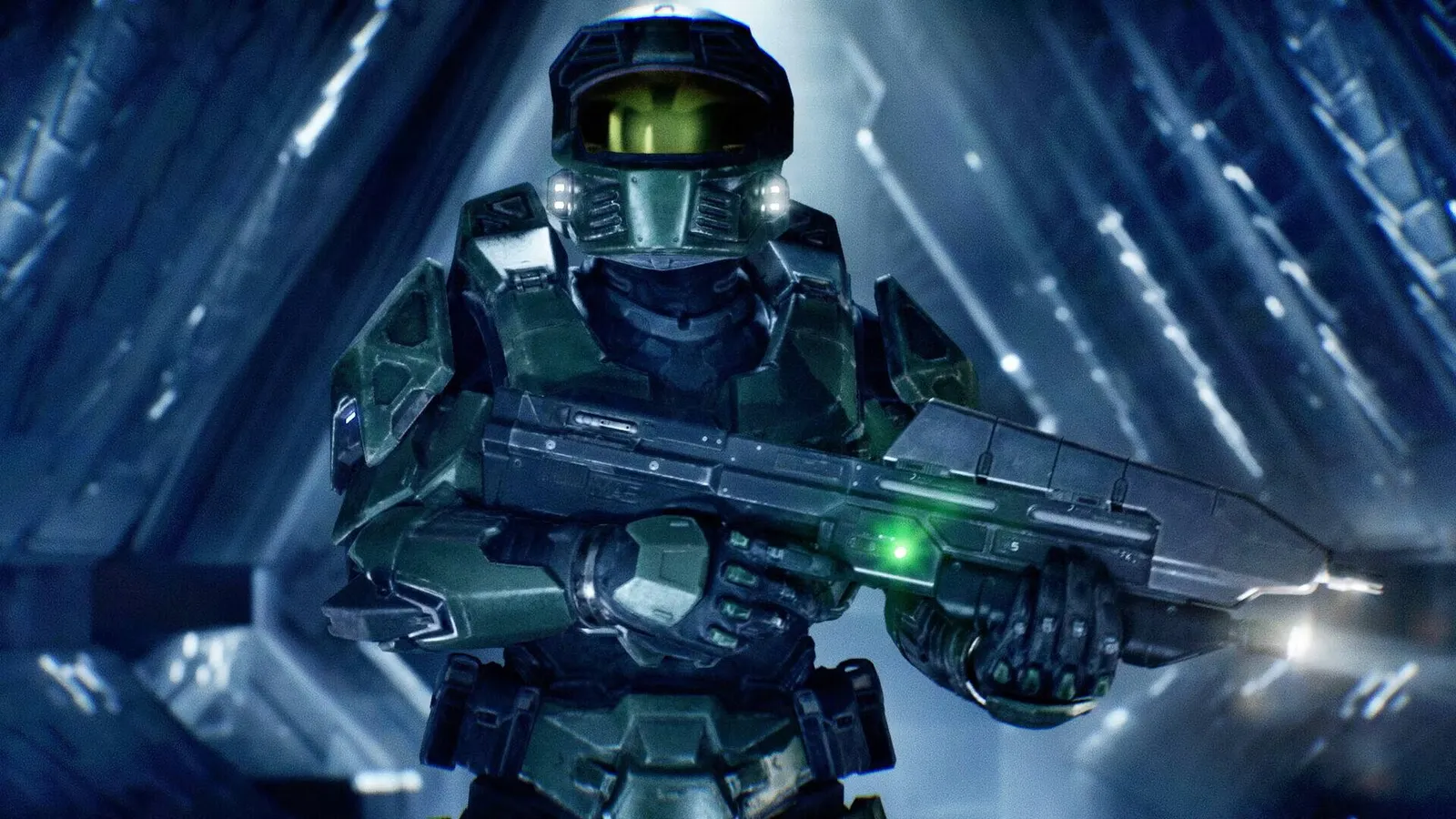
Halo: Campaign Evolved rebuilds the original in Unreal Engine 5, setting a remake benchmark
A full Unreal Engine 5 remake shows how studios can modernize legacy hits without erasing what made them great.
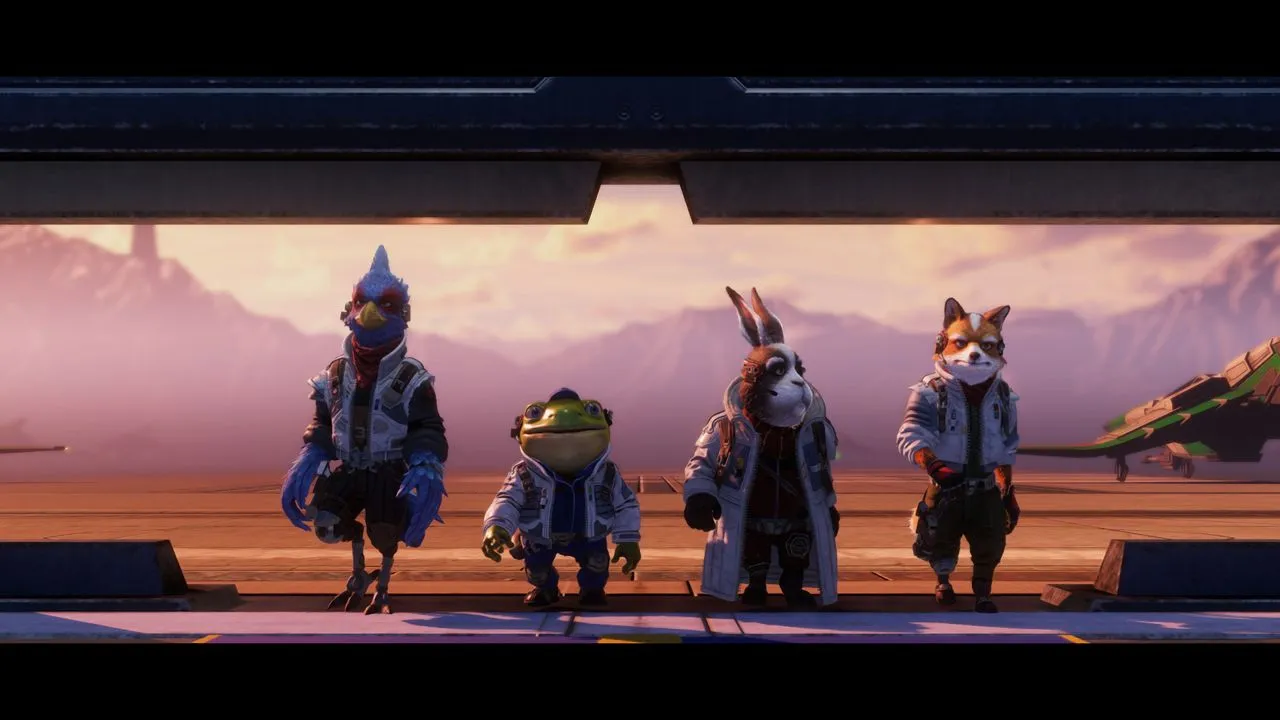
Miyamoto admits The Super Mario Galaxy Movie directly triggered Star Fox 64 Remake and Yoshi game
The director ties game releases to movie casting, with Nintendo treating synergy as a two-way development pipeline.
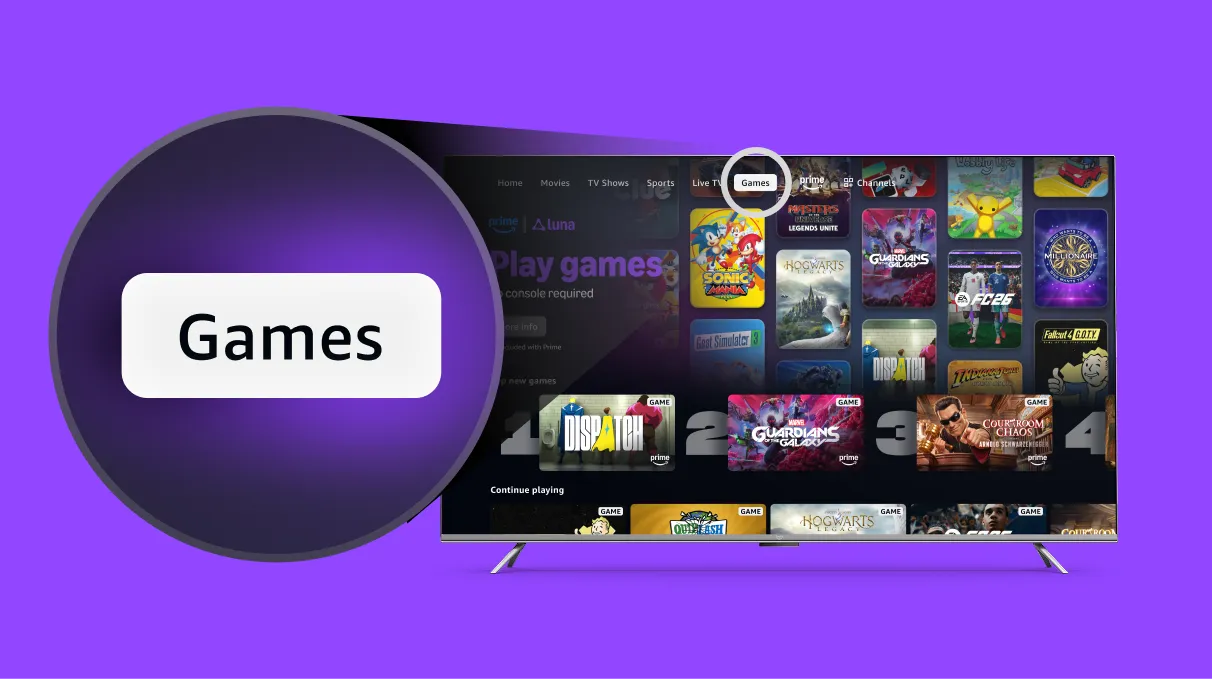
Amazon makes Luna games free on Fire TV for Prime members in U.S. and UK
A no-extra-charge add-on expands Luna access on Fire TV, signaling Amazon's next gaming bet after last year's relaunch.