
Climate change is costing crops $20B+ per year in already-real losses
The $20 billion annual crop-loss hit is happening now, and it is projected to keep climbing as warming continues.
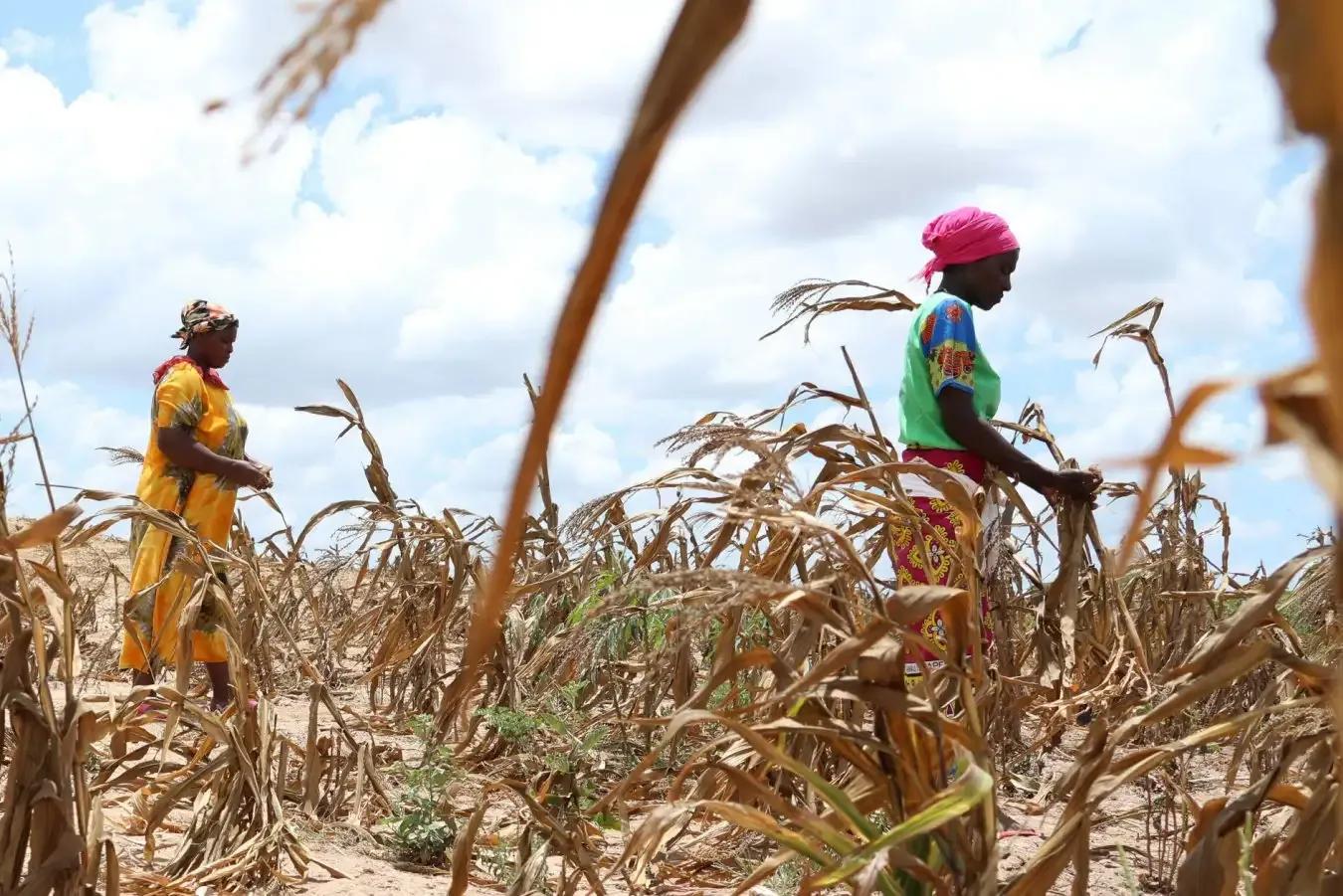
Climate change is already disrupting crop yields, driving over $20 billion a year in crop-loss financial impacts. For decision-makers, the implication is straightforward: the financial burden will likely keep rising with ongoing warming.
Climate change is already causing crop losses worth over $20 billion a year, and those financial losses are set to keep rising as the world keeps warming. The headline number matters because it is not a distant forecast. It is a present-tense drag on food production systems and the economics built on reliable yields.
This is happening because crop yields are not just “weather affected.” They are sensitive to temperature, rainfall patterns, and the timing of seasons, all of which can shift as the climate changes. When yields drop, the effects do not stay in the field. They propagate into farm revenues, downstream food pricing, and the broader risk models used by agribusinesses, insurers, and investors. In other words, the $20B+ figure is less like a symbolic warning and more like a recurring line item in the real economy.
For executives and boards, the most uncomfortable part is the direction of travel. The story is not “losses are happening once.” It is “losses will continue to rise as the world keeps warming.” That phrasing points to a compounding dynamic. Many industries can absorb one-off shocks. Fewer can absorb a trend that worsens over time, especially when it affects the underlying input markets that power everything else. Food and agriculture sit at the base of supply chains, so yield stress tends to amplify across multiple layers: procurement costs, inventory planning, and contracting assumptions.
This is also where incentives and governance start to matter. Agribusiness and food companies often design strategies around maximizing throughput and protecting margins. But if yield losses become a persistent macro condition, executives cannot treat climate as a side project for corporate responsibility teams. It becomes a budgeting and capital-allocation variable. Boards that ask only for reputational metrics risk missing the harder question: how will cash flows behave under continued yield pressure?
Regulatory framing is moving in the same direction globally, even if the pace differs by country. Governments are increasingly likely to connect climate risk to disclosure, risk management, and sometimes underwriting or financing conditions. The practical point for leaders is that when regulators and lenders begin to view climate-related impacts as financial risks rather than externalities, the standard for internal planning changes. It is no longer enough to say the company is “working on sustainability.” You have to show how you model and manage exposure when crop-loss costs are already measurable.
There are second-order implications too. When yields fall or become less predictable, markets may respond with higher volatility. That can strain procurement strategies, increase hedging complexity, and force changes in sourcing and logistics. Over time, higher and more variable input costs can pressure margins for food manufacturers and retailers, while also increasing pressure on farms that may not have the capital to adapt quickly. Even if a company is not farming directly, it is still exposed through purchasing decisions and the economics of supply.
Finally, this is a strategic stakes story for peers in similar roles. If climate-related crop losses are already over $20 billion a year and still rising, then the “baseline” for agriculture-linked risk is shifting. CEOs, CFOs, and board members should treat this as a signal that planning assumptions built on historic yield stability may no longer hold. The world does not have to wait for a future crisis for financial impacts to show up. They are already here, and the trajectory described in the source suggests the burden is only going to grow.
This story's Key Insights and Take-aways are locked.
Create a free account to unlock Executive Actions for one credit.
Register to UnlockAlways free for Executives Club members. Join the Club
More in Science

2026 Nikon Small World Winners Reveal the Hidden Machinery of Everyday Life
A mycologist's frozen Edinburgh garden became the backdrop for vivid views inside cells, a reminder of what advanced imaging now makes visible to researchers and the industries built on biology.

Study: 1 in 4 depression cases may be a body-clock problem, not a chemical one
A 10,000-person study finds standard antidepressants often fail these patients, but melatonin and morning sunlight may hit the real root cause.

Start-Up Says A.I. Designed a Virus to Attack One Patient's Superbug
If the claim holds up, personalized phage therapy could become a new frontline weapon against antibiotic resistance - but proof is far from final.