
Clive Davis died at 94, leaving the music industry a blueprint for talent domination
The old-school mogul repeatedly bounced back, but Whitney Houston’s 1985 debut is where his power truly crystallized.
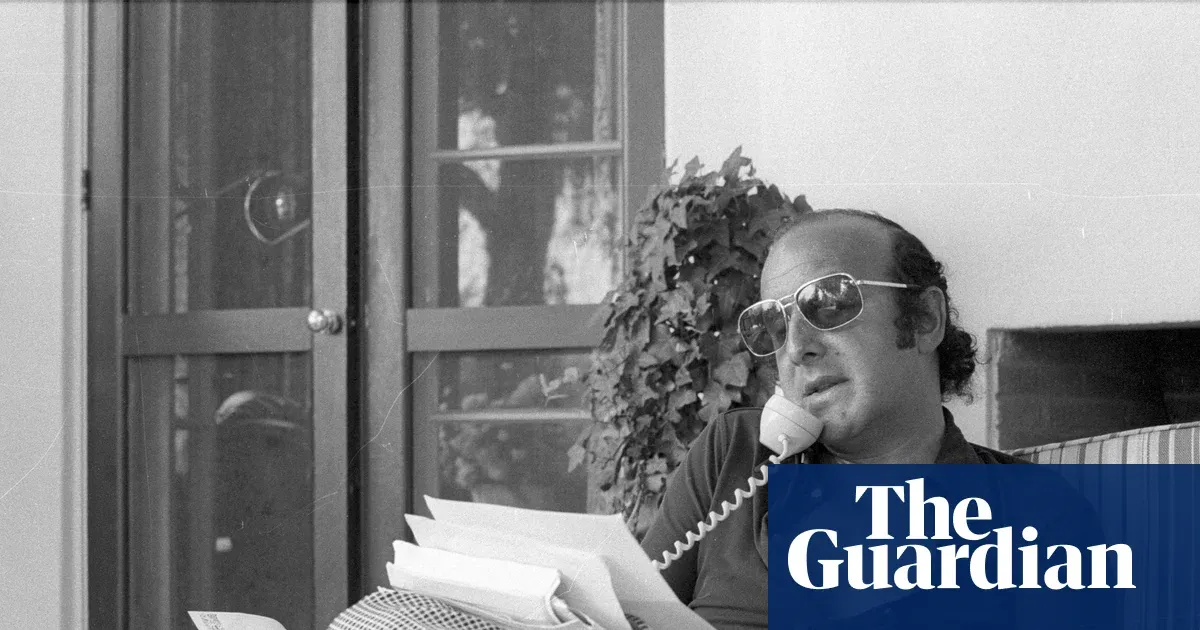
Clive Davis, who has died aged 94, was one of the most powerful figures in American recording who helped propel artists including Whitney Houston, Bruce Springsteen, Janis Joplin, and Barry Manilow. His discovery and promotion of Whitney Houston, especially her 1985 debut album, cemented his legacy as a staggeringly successful talent-spotter despite controversy and 1970s financial scandals.
Clive Davis, one of the most powerful men in the American recording industry, has died aged 94. He was credited with promoting artists including Whitney Houston, Bruce Springsteen, Janis Joplin, and Barry Manilow, and his reputation was built on a recurring pattern: power, pressure, and then a comeback with fresh projects that kept turning into chart success.
If you want the moment his influence became unmistakable, it is Whitney Houston’s 1985 debut album. The source says Davis’s careful nurturing and planning produced her debut, which became what was then the bestselling debut by any female artist. That accomplishment was not just a sales headline. It helped propel Houston into “colossal international success,” and the source adds that she was credited with opening doors for many African-American artists.
Davis is described as “controversial, ruthless and staggeringly successful,” and the obituary frames him as the most complete specimen of an old-school record industry mogul. In practical terms, that means he operated like the genre’s gatekeeper at full power. Instead of treating talent as luck, he treated it as something to be found, shaped, and launched with intentional momentum. The obituary also emphasizes his resilience: even after being “temporarily floored by financial scandals during the 1970s,” he “refused to be beaten.” For an industry that can be unforgiving about reputations and balance sheets, that kind of bounce-back matters.
But the interesting part, for decision-makers watching the industry from the inside or the boardroom, is what Davis represents as a business model. The old recording ecosystem was built around a small set of powerful intermediaries who could bankroll recording, marketing, distribution, and radio or TV visibility. A mogul like Davis had leverage because the bottlenecks were real: media access, promotion budgets, and institutional trust. When the obituary notes that Davis never lost “his gift for creating chart-busting artists,” it implies that despite scandal risk, his role in the pipeline remained valuable enough to keep him relevant across decades.
The Whitney Houston story in the source reads like a case study in how those pipelines work when they click. The obituary explicitly ties Davis to “careful nurturing and planning,” not just casting. That phrasing signals that the debut album was not treated as a gamble. It was engineered to be a launchpad. And once that launchpad worked, it scaled into “colossal international success.” In industries like music, where the downstream upside can be enormous once an artist breaks through, the upstream decision has disproportionate impact. A great debut becomes a platform for touring, licensing, and future releases, which then reinforces the label or executive’s authority to take on the next project.
There is also a cultural and market implication that executives should notice. The source states that Houston “was credited with opening doors for many African-American artists.” That matters in a business sense because visibility changes what audiences, programmers, and partners will treat as bankable. When mainstream success arrives, it rewires who gets offered budgets and promotional space. So Davis’s influence is not only about charts. It is about access and representation at the level where access is created, which is exactly what an industry gatekeeper can affect.
Finally, zoom out to the era Davis helped define. The obituary references controversy and financial scandals in the 1970s, meaning his authority survived not because the market ignored risk, but because his track record remained potent. That creates a useful tension for people who lead creative businesses: the job is both artistic and managerial, and the incentives can collide. If a mogul leans too hard into control, the work can become rigid. If the mogul leans too hard into talent, the work can become inconsistent. The obituary paints Davis as someone who managed that balance while still being “ruthless.” That is not a word used for comfort, but it does explain why the industry treated him as consequential.
For today’s executives, board members, and founders building in culture-driven markets, Davis’s legacy is a reminder of where durable power comes from. It is not only hype. It is repeatability: finding talent, making the launch real, sustaining momentum, and surviving the inevitable moments when scandal or uncertainty threatens credibility. Clive Davis’s obituary may be a remembrance, but it also functions like an operating manual for how the music business actually works when one decision is strong enough to shape careers, chart cycles, and the doors others walk through next.
This story's Key Insights and Take-aways are locked.
Create a free account to unlock Executive Actions for one credit.
Register to UnlockAlways free for Executives Club members. Join the Club
More in Entertainment

Disney Lorcana’s Attack of the Vine adds Up’s Carl, Ellie, Russell, and Paradise Falls
Ravensburger’s next set finally brings Pixar’s Up into Lorcana, starting with Carl, Ellie, Russell, and the Falls.
A24 hands Google DeepMind a seat, after years of guarding its creative workflow
The films stay separate. The deal shifts who gets to see A24's process, and what that enables downstream.

Elizabeth Banks is Ms. Frizzle as Legendary develops Magic School Bus live-action
Rob Letterman writes the treatment and Elizabeth Banks stars, as Legendary acquired rights from Universal for a big-screen debut.