
CO2 inhalation boosts the brain’s glymphatic system, clearing amyloid and tau in studies
Intermittent high-dose CO2 exposure appears to flush Alzheimer’s-linked proteins out of the brain via improved waste clearance.
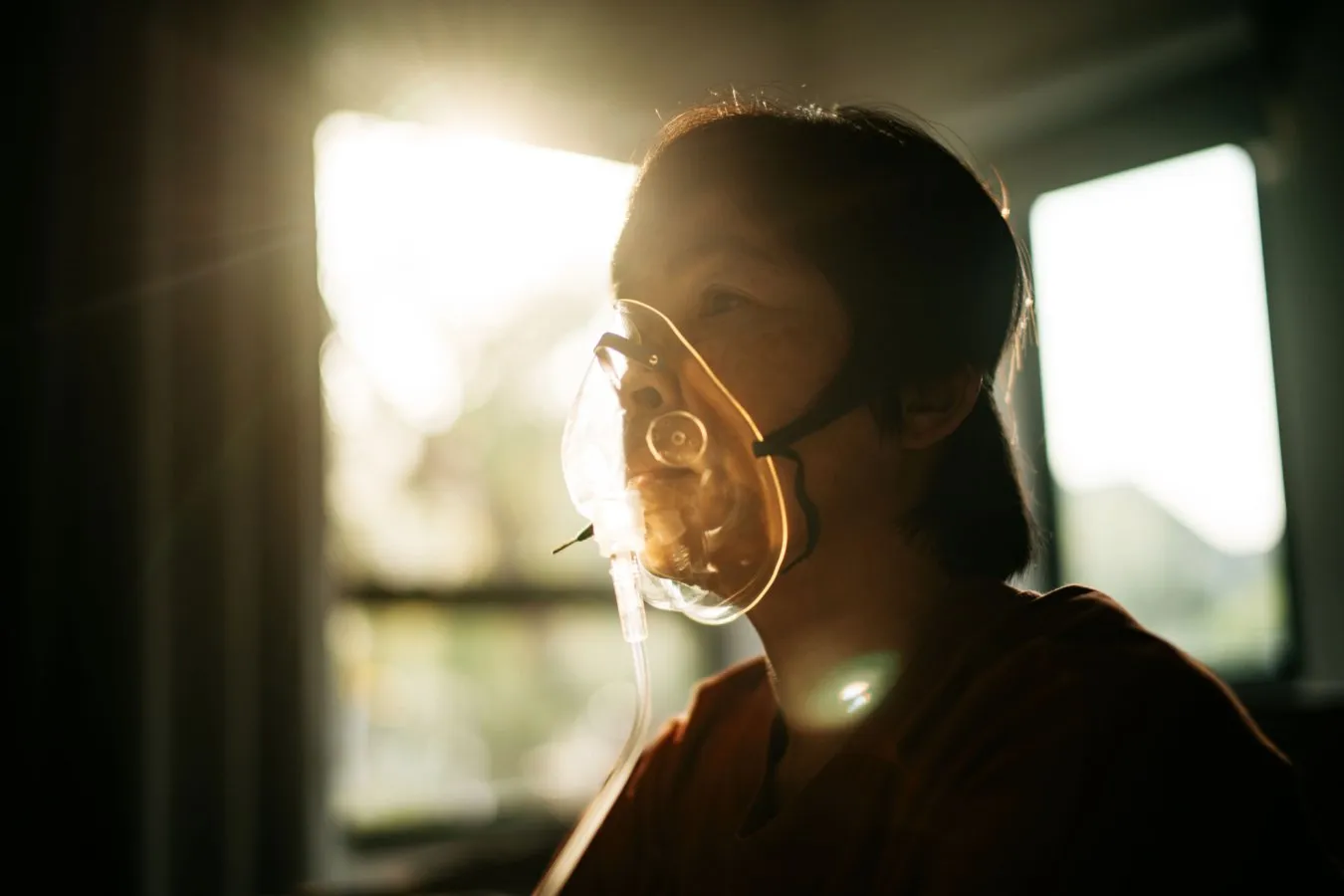
New research reported by New Scientist suggests that intermittently inhaling a high dose of carbon dioxide can remove amyloid and tau, Alzheimer’s implicated proteins, from the brain. The finding matters because it points to a non-drug, physiology-targeting pathway that could reshape how boards think about Alzheimer’s trial bets.
Intermittently inhaling a high dose of carbon dioxide appears to remove amyloid and tau from the brain, according to work summarized by New Scientist. These proteins are implicated in Alzheimer's disease, and the study’s central claim is mechanistic: the CO2 exposure boosts the brain’s glymphatic system, the pathway associated with clearing waste and cellular debris.
For decision-makers, the headline implication is clear. Instead of trying to neutralize amyloid or tau with another antibody, kinase inhibitor, or small molecule, this approach tries to change the brain’s own cleanup physics, by using carbon dioxide as a lever. That matters in Alzheimer’s because the field has spent years locked in a difficult loop: slow biology, expensive late-stage trials, and outcomes that often fail to translate from theory to patients.
To understand why glymphatic boosting is an attention magnet, zoom out for a second. The “glymphatic system” is often discussed in the context of how the brain clears metabolic byproducts. In practical terms, if this system works better, there is a plausible route to reducing the burden of proteins such as amyloid and tau. New Scientist’s summary attributes the apparent protein removal to that boosted clearance mechanism, tying a respiratory input (CO2 inhalation) to brain waste flow.
Now, the “intermittently inhaling” part is not a throwaway detail. Intermittent dosing signals an attempt to balance effect with safety, which is exactly the kind of design question that regulators and boards will ask early. Carbon dioxide is not a harmless placebo. It can change breathing dynamics and acid-base balance, so any pathway that relies on high-dose CO2 will need careful dose-finding, monitoring, and a defensible therapeutic window. Even if the biology is compelling, regulators tend to want proof that the intervention is controllable and doesn’t trade one risk profile for another.
This is also where market context kicks in. Alzheimer’s drug development is crowded with companies that have invested billions into targeted approaches, and each incremental step tends to raise the bar for the next trial. In that environment, a technique framed as “physiology first” can create board-level excitement, not because it guarantees success, but because it potentially changes the clinical strategy. If you can move the protein burden meaningfully through enhanced clearance, you may reduce the reliance on mechanisms that have been under intense scrutiny.
But there is a difference between “clears proteins from the brain” and “improves cognition.” New Scientist’s summary is careful in its phrasing: CO2 inhalation “seems” to remove amyloid and tau by boosting glymphatic function. That hedging is important for how executives interpret the signal. Protein removal could be a promising biomarker shift, but boards will still need to pressure-test what the outcome really predicts. In Alzheimer’s, biomarkers can move without delivering functional benefit. The strategic question becomes whether glymphatic enhancement is a cause of meaningful disease modification or a partial effect that needs combination with other interventions.
Second-order implications extend to how trial designers think about endpoints and patient selection. If glymphatic clearance is the driver, then factors that influence sleep, vascular health, intracranial dynamics, and metabolism may become more relevant for stratification. That can create new operational complexity for trials, including protocol design around monitoring and dosing windows. Still, it also opens the possibility of more tailored approaches, where patients most likely to benefit from enhanced clearance are prioritized.
For peer leaders in neurodegeneration, the competitive takeaway is not “buy CO2 stock in Alzheimer’s.” It’s that the field may be inching toward intervention categories that target the brain’s environment rather than only the proteins. A board that tracks this space should treat the glymphatic mechanism as a potential platform idea, one that could influence how future programs are evaluated, funded, and combined. The bar is high, the safety questions are real, and the translational gap is wide, but the core proposition is undeniably interesting: using intermittent high-dose CO2 to boost a waste-clearance pathway could help reduce amyloid and tau burden in the brain.
This story's Key Insights and Take-aways are locked.
Create a free account to unlock Executive Actions for one credit.
Register to UnlockAlways free for Executives Club members. Join the Club
More in Science
2026 Nikon Small World Winners Reveal the Hidden Machinery of Everyday Life
A mycologist's frozen Edinburgh garden became the backdrop for vivid views inside cells, a reminder of what advanced imaging now makes visible to researchers and the industries built on biology.

Study: 1 in 4 depression cases may be a body-clock problem, not a chemical one
A 10,000-person study finds standard antidepressants often fail these patients, but melatonin and morning sunlight may hit the real root cause.

Start-Up Says A.I. Designed a Virus to Attack One Patient's Superbug
If the claim holds up, personalized phage therapy could become a new frontline weapon against antibiotic resistance - but proof is far from final.