
Cold Court’s debut EP leans into hyperpop chaos, but sounds more serious than 100 Gecs
Philly brother-sister duo Cold Court make a glitchy genre mashup that nods to hyperpop, then refuses to wink.
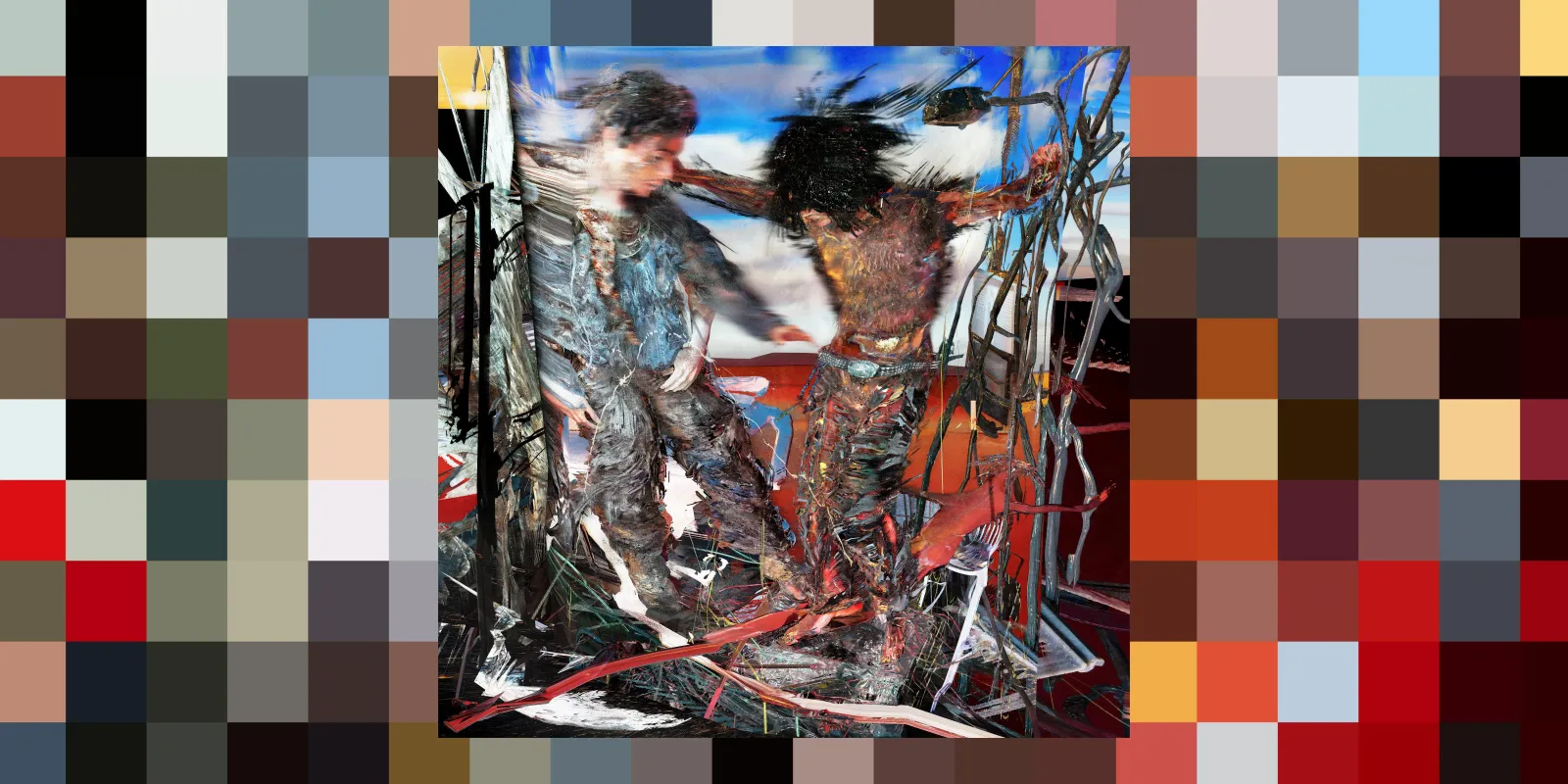
Cold Court, a brother-sister duo from Philly, released their debut EP (Hands Up) with the opening track "Nina" that starts like mid-aughts dance punk before shifting into glitchy hyperpop energy. For decision-makers watching music culture and audience behavior, it signals how genre-mashups keep working when artists vary the emotional contract.
Cold Court’s debut EP, Hands Up, is built like a deliciously loud collision: hyperpop-adjacent glitchiness, genre mashups, and a Philly brother-sister core that keeps turning the dial on tone. The opening track, "Nina," starts off sounding not unlike the mid-aughts dance punk wave typified by bands like Franz Ferdinand or Test Icicles. But about a minute in, the music changes course, and the duo makes a key choice that separates them from the loudest version of the trend.
If you expect a wink, you get something else. The Verge describes Cold Court’s approach as “a bit more self-serious,” in contrast to hyperpop acts like 100 Gecs. Where songs like 100 Gecs’ "Dumbest Girl Alive" “goofily wink at pop punk and emo,” Cold Court are still blending those influences, but they are doing it with less irony. That difference matters because it changes how listeners emotionally interpret the same technical tricks. Glitches and sudden genre pivots can be jokes, or they can be craft. On Hands Up, it’s closer to craft.
To understand why this is interesting beyond the tracklist, zoom out to how hyperpop and its cousins behave as a business. These scenes tend to reward repeat listens and playlist loops, but the reason people loop is rarely just the sound. It’s the feeling of “what did I just hear, and how should I react?” Cold Court’s setup is classic mashup logic: take recognizable genre DNA, distort it, then reassemble it. The second-order effect is that they can court multiple audiences at once. Fans who like glitch aesthetics get the surface fireworks, and fans who prefer tighter emotional framing get a version of the chaos that does not require a wink.
"Nina" is the clearest example. The Verge’s description says it begins like mid-aughts dance punk, then shifts after about a minute. That kind of time-based transformation is strategically smart in a world where listeners often judge quickly, even if they don’t mean to. When you start with something that sounds familiar, you reduce friction for new listeners. When you pivot, you create a reason to stay. Cold Court’s choice of dance punk reference points also signals a specific kind of nostalgia literacy, the ability to borrow older genre rhythms and then contaminate them with newer glitch behaviors.
The Verge also frames Cold Court’s broader style as shoving “all of their influences together in a messy soup” that “at least superficially resembles” hyperpop. But then it underlines the key twist: the duo’s tone is less goofy, more self-serious. That is a meaningful branding distinction, even if the artists never brand it as such. In audience terms, irony is a shortcut. When it shows up, listeners know they are supposed to laugh. When it does not, listeners look for sincerity, and sincerity changes the perceived stakes of every glitch. For artists, it can also change how press and critics talk about them, because self-serious chaos reads as “a vision,” not just “a gag.”
There is also a systems-level angle for executives, investors, and label partners paying attention to the music pipeline. Scenes like this often test what platforms can amplify. Hyperpop is a reliable attention engine, but the risk is that audiences treat it as a novelty category. Cold Court’s approach, as described by The Verge, helps keep hyperpop’s technical energy while adjusting the emotional packaging so it can travel further, across more tastes, without collapsing into gimmick.
The practical stakes are straightforward: if you fund or partner with emerging acts, you are not just underwriting songs. You are underwriting how repeatability will work when the initial hook is gone. Cold Court’s debut EP suggests a repeatable structure: start with a recognizable sonic anchor, then pivot into glitchy mashup territory, and do it with a tone that signals intention. That combination could be the difference between being “a playlist moment” and becoming “an artist people track,” especially for audiences that like the sound but are tired of the constant self-aware joke.
For other creators and teams in similar roles, the strategic takeaway is simple but powerful: genre mashups do not just need new textures. They need an emotional contract. Cold Court’s Hands Up appears to keep the technical chaos of hyperpop while opting for a steadier, more self-serious stance. That choice can broaden the audience, deepen the listening behavior, and help a debut EP earn attention that lasts longer than the first accidental autoplay.
This story's Key Insights and Take-aways are locked.
Create a free account to unlock Executive Actions for one credit.
Register to UnlockAlways free for Executives Club members. Join the Club
More in Technology

Self-driving excavator startup Bedrock digs up $600M, now worth $4.1B
Bedrock Robotics banks $600M to automate excavators, valuing the startup at $4.1B.

Microsoft offers buyouts to 60,000 as AI efficiency push reshapes its workforce
The voluntary buyout offer is the clearest sign yet that Microsoft will trim headcount even as it accelerates AI infrastructure spending.

Reddit's r/opensource bans AI slop, solo devs, and non-English speakers
New rules require a year of maintenance, three contributors, and English fluency, leaving independent developers locked out of the forum they need to grow.