

iOS 27 hides AI upgrades beyond Siri, with practical features landing outside WWDC headlines
Apple’s iOS 27 brings useful AI changes in spots other than Siri, and decision-makers should map the impact fast.
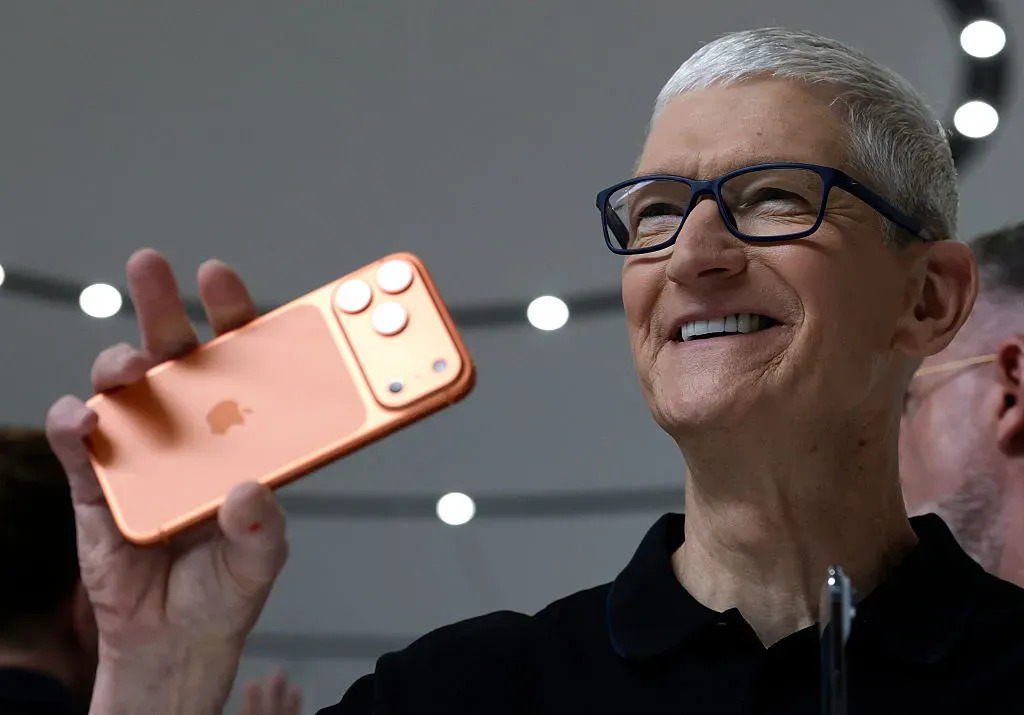
Apple is bringing AI features to iPhone through iOS 27, but not all of the most practical upgrades are tied to Siri. While WWDC dominated headlines about a Siri AI overhaul, TechCrunch says other helpful AI features are arriving elsewhere in iOS 27.
Siri’s AI overhaul became the star of WWDC coverage. But TechCrunch points out an easy-to-miss truth: some of Apple’s most practical AI features are arriving elsewhere in iOS 27, not just inside Siri. That matters because “AI” headlines can make leaders obsess over the obvious interface, while the real day-to-day productivity gains often show up in the less-glamorous corners of a product.
In other words, the WWDC spotlight was on Siri, but the iPhone experience upgrade is broader. The practical implication is simple. If you are an operator, investor, or board member thinking about AI competitiveness, you should not treat Siri as the whole story. iOS 27 is positioning AI as a system capability, spreading utility across the operating system experience rather than concentrating it in one voice assistant moment.
This is how Apple historically competes. Instead of betting everything on one flashy feature, it typically builds an ecosystem where small improvements compound. Siri is the headline, but iOS features touching messaging, notifications, photos, or other on-device workflows tend to be what users actually feel every day. A Siri rewrite can impress demos. Yet the biggest indicator of real adoption is whether AI reduces friction across routine tasks that do not require you to remember to “ask.”
There is also a regulatory and policy layer to consider, especially for AI assistants on consumer devices. Regulators around the world have been paying closer attention to how AI systems shape user choice, privacy, and access to information. Voice assistants are an obvious target because they influence what people hear and act on hands-free. When an AI rollout extends beyond the assistant itself, it changes the regulatory surface area. It can mean more AI functionality embedded into default product flows, and that can raise fresh questions about transparency and user control, even when the changes are framed as productivity.
For decision-makers, the second-order effect is that “feature announcements” become harder to track. If most of the strategic change is distributed across iOS experiences beyond Siri, then competitive analysis can get misleading fast. The market tends to over-index on the most marketable piece of the product. Tech coverage will follow the loudest storyline. But for your planning, you care about retention, daily usage, and how quickly users integrate AI into everyday routines. Those signals may correlate with the “elsewhere in iOS 27” improvements more than with the Siri overhaul itself.
There is also an ecosystem dynamic worth naming. iOS updates are a platform distribution machine. If Apple is rolling AI capabilities through iOS 27 across multiple user touchpoints, it effectively gives developers and partners a new baseline for what “normal” app behavior can include. Even if TechCrunch is not listing those specific features in the excerpt you provided, the message is still clear: the AI upgrade path is not single-feature. It is platform-wide.
Peers in consumer tech should take the same lesson seriously. If your strategy revolves around a single AI interface, you risk being outflanked by an ecosystem where AI becomes ambient and integrated. Apple’s approach, as described by TechCrunch, reinforces that it can move faster than the public narrative suggests. WWDC headlines will talk about Siri because that is the most visible change. But user value can arrive anywhere in the update, and leaders who only measure what made the keynote can lose the plot.
So the stakes here are not just curiosity about what Apple is adding. It is competitive positioning and planning. If you are allocating budget, staffing product teams, or shaping roadmap decisions around AI, you need a sharper view of where AI creates daily leverage. TechCrunch’s framing suggests iOS 27 offers practical AI value beyond Siri, meaning the real strategic shift is broader than the one feature drawing all the attention.
This story's Key Insights and Take-aways are locked.
Create a free account to unlock Executive Actions for one credit.
Register to UnlockAlways free for Executives Club members. Join the Club
More in Technology
Meta still serves child sexual abuse ads on Instagram in India - BBC report
A new report following the BBC Eye investigation says the ads are still there - what it signals for every platform with a self-serve ad engine.

White House yanks 'Build the Wall' game after Tetris Company copyright warning
The administration's arcade game vanished in hours - and the takedown playbook every brand can learn from.

Zelda 40th Anniversary Direct: Ocarina of Time Details Expected in 30-Minute Stream
Nintendo's 30-minute Direct marks 40 years of Zelda, with fans eyeing Ocarina of Time and other project reveals. Here's how to watch and what to expect.