
College Sports' $1.77B Payout Signals the New Football Arms Race
The 2025-26 revenue-sharing figure shows how NIL has turned roster building into a spending game with real financial stakes.
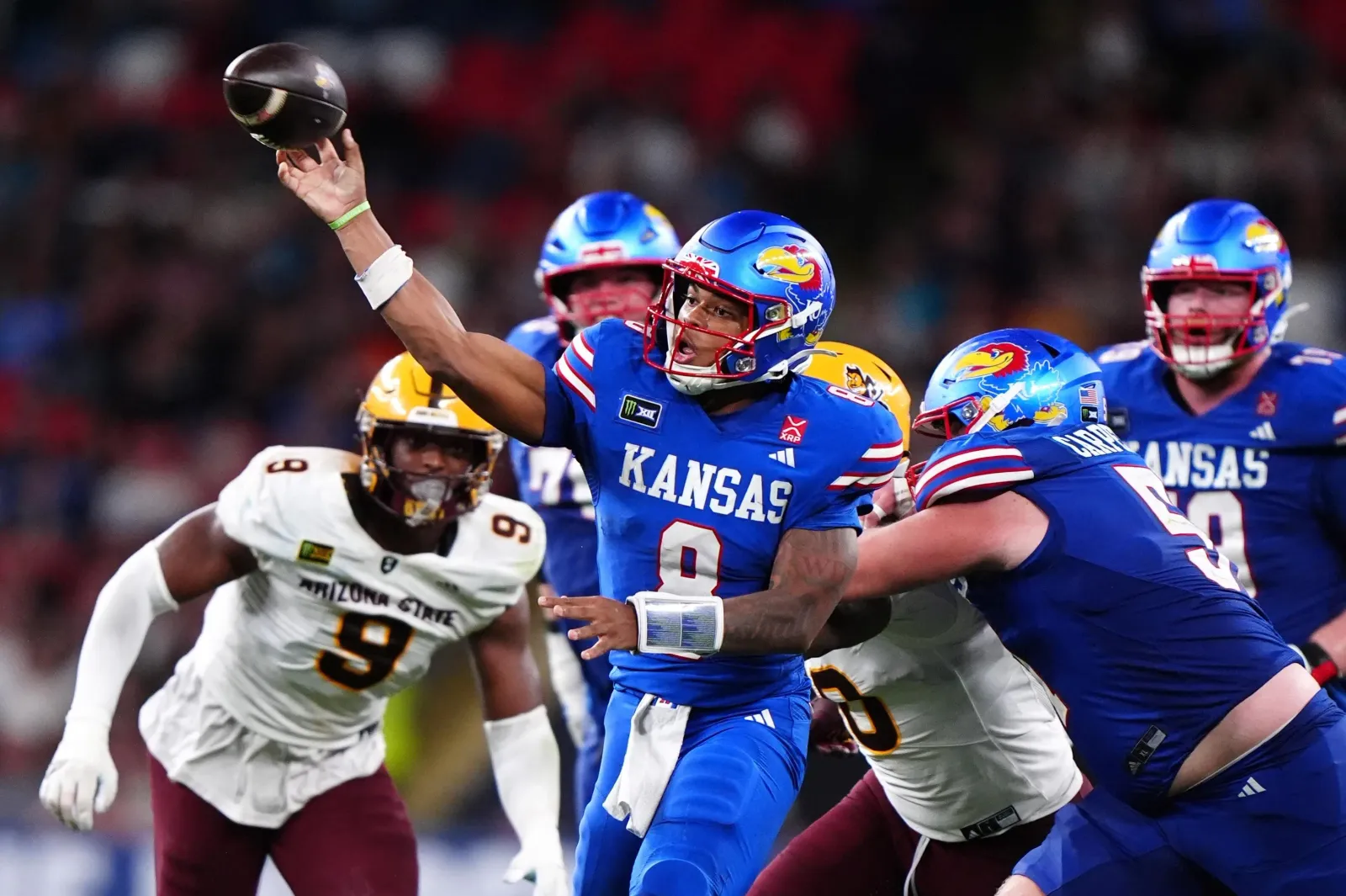
College sports distributed $1.77 billion in athlete revenue-sharing payments in 2025-26, marking the first full year of the House settlement era. For athletic directors and university boards, this figure confirms that NIL is no longer a side pool but a core line item reshaping recruiting and roster economics.
The $1.77 billion figure is the first full accounting of what happens when college athletes get paid like the revenue they generate. In the 2025-26 academic year, schools distributed $1.77 billion in athlete revenue-sharing payments, a direct result of the NCAA's new settlement-driven model. That number is not a projection or a pilot program. It is the actual payout across college sports, and it confirms that the NIL era has permanently changed the financial architecture of athletic departments. For anyone who thought name, image, and likeness deals were a marketing sideshow, this is the moment the ledger caught up to the headlines. The money is real, it is centralized, and it is now a line item that athletic directors, university presidents, and boards have to manage like any other major expense.
What makes the $1.77 billion figure so striking is what it represents: the first year of a revenue-sharing system that did not exist before the House v. NCAA settlement. Under the new framework, schools are allowed to share a portion of their athletic revenue directly with athletes, a shift that effectively ends the amateurism model that governed college sports for over a century. The payout is not evenly distributed across all sports or all schools. Football, as the original summary notes, is the primary driver, and the money is flowing disproportionately to the programs that generate the most revenue. That is the core tension of the new era: the schools that bring in the most money are the ones spending the most on rosters, which widens the gap between the haves and the have-nots in college athletics.
For recruiting, the impact is immediate and structural. NIL deals are no longer a supplementary perk that boosters arrange on the side. They are now a formal part of the recruiting pitch, and the $1.77 billion payout gives recruits and their families a clear signal that the money is real. A high school quarterback deciding between two programs is no longer just comparing facilities, coaching staffs, and playing time. They are comparing revenue-sharing packages, NIL collectives, and the financial stability of the athletic department. That changes the calculus for every coach in the country. Recruiting is now a spending decision, and the programs that allocate their revenue-sharing dollars most effectively are the ones that will win the talent war.
Roster spending is where the second-order effects become most visible. With a fixed pool of revenue-sharing dollars, athletic directors have to make choices that look a lot like a general manager's job in professional sports. Do you spend heavily on a star quarterback and a few elite playmakers, or do you spread the money across the roster to build depth? Do you invest in offensive linemen, who are often undervalued in the NIL market, or chase skill-position players who generate more fan excitement? These are not hypothetical questions. They are the decisions that will define the next decade of college football, and the $1.77 billion payout is the budget that makes those decisions possible. The schools that treat roster spending with the same rigor as a professional front office will have a structural advantage over those that treat it as an afterthought.
The regulatory backdrop adds another layer of complexity. The House settlement was designed to bring stability to college sports after years of legal challenges to the NCAA's amateurism rules. But the settlement also created a new set of questions. How do schools ensure compliance with revenue-sharing caps? How do they balance Title IX obligations with the reality that football generates the vast majority of revenue? How do they manage the relationship between university-controlled revenue sharing and independent NIL collectives that operate outside the school's direct oversight? The $1.77 billion figure is the first data point in what will be an ongoing experiment in how to run a semi-professional sports league within the structure of higher education. There is no playbook for this, and the schools that figure it out first will set the standard for everyone else.
For athletic directors and university boards, the strategic stakes are clear. The $1.77 billion payout is not a one-time event. It is the baseline for a new financial reality, and it will likely grow as revenue increases and the settlement framework evolves. Schools that fail to plan for this will find themselves at a competitive disadvantage, both on the field and in the budget office. The programs that thrive will be the ones that treat athlete revenue-sharing as a strategic investment rather than a compliance burden. They will build financial models that project roster costs, they will develop analytics to measure the return on NIL spending, and they will create governance structures that align the athletic department, the university administration, and the fundraising arm around a shared financial strategy.
The broader lesson for executives outside college sports is that the NIL era is a case study in how a regulatory shock can reshape an entire industry. The NCAA spent years resisting the idea that athletes should be paid, and when the legal and political pressure became too great, the change happened all at once. The $1.77 billion payout is the result. It is a reminder that industries built on outdated assumptions are vulnerable to sudden transformation, and that the organizations that adapt fastest are the ones that survive. For college football, the adaptation is happening in real time, and the $1.77 billion figure is the proof that the old model is gone for good. The only question now is which schools will build the new model that replaces it.
This story's Key Insights and Take-aways are locked.
Create a free account to unlock Executive Actions for one credit.
Register to UnlockAlways free for Executives Club members. Join the Club
More in Business

Elon Musk unveils a flying car, and SpaceX helped build it
The Tesla CEO's showcase at a SpaceX facility signals a future where road and rocket engineering converge.

Apple's $2,000 iPhone Duo opens preorders, taking on Samsung and Google
Apple's first foldable hits the market at a premium price, reshaping a category Samsung and Google have led.

Pope Leo XIV, first American pope, diagnosed with lung cancer
The 71-year-old Chicago-born pontiff underwent successful surgery on his right lung, and his diagnosis raises new questions about his AI-focused papacy and the Vatican's future.