

Cristiano Amon says Qualcomm is building 40+ AI wearable devices to replace your phone
Over 40 device concepts, from camera earbuds to jewelry, signal Qualcomm expects the next computing platform to move on from smartphones.

Qualcomm CEO Cristiano Amon said Tuesday that the company is working on over 40 different AI wearable devices, including jewelry, earbuds with cameras, pins, and watches. The bet matters for executives because it points to a future where chip demand, platform control, and product differentiation shift away from the phone.
Qualcomm CEO Cristiano Amon said Tuesday that the company is working on over 40 different AI wearable devices. That includes formats you normally associate with fashion or accessories, not computing: jewelry, earbuds with cameras, pins, and watches.
This is the cleanest signal yet that Qualcomm is aggressively positioning itself for a world where the “next major computing platform” does not center on smartphones. Amon’s framing matters because it tells you where Qualcomm wants to be when users decide what device gets their attention and their time. If wearables become the primary on-body interface for AI, then the chips inside those devices become the invisible business engine.
Why the number and the variety are both the story: “over 40” is not a single product line or one flagship device. It is a portfolio-level push, and the device list is broad enough to imply Qualcomm is designing for many different user journeys. Camera-equipped earbuds change what “always-on” means for AI, since they can combine audio context with visual input. Watches are the obvious anchor for health and notifications, but pins and jewelry suggest Qualcomm also sees a future where AI is embedded into everyday aesthetics. That is a different commercialization path than the phone market, where one or two form factors typically dominate.
From an incentives standpoint, chipmakers do not just sell silicon. They compete to become the default choice for the next wave of consumer hardware. In smartphones, Qualcomm has benefited from widespread adoption and a mature ecosystem. But the wearable category is still being defined, with companies experimenting with interfaces, sensors, power profiles, and the practical boundaries of on-device AI. In a category where standards and user expectations are still forming, a chip supplier with a strong platform approach can gain outsized influence.
There is also a regulatory and standards subtext worth noting, even if Amon’s comments were about product development rather than policy. Wearables, particularly those with cameras and microphones, sit in a more sensitive area than many other devices. Data handling expectations, privacy norms, and regional compliance requirements can shape what features ship, how they work, and how quickly new capabilities expand. For executives, this matters because AI wearable strategies are not only engineering challenges. They are also product governance challenges, meaning timelines and go-to-market plans can be affected by the regulatory environment.
Now zoom out to second-order implications for the broader industry. If Qualcomm’s bet is right and wearables become a primary AI touchpoint, phone-centric roadmaps may face extra pressure. Developers and enterprises typically follow where users spend time. That can influence the software ecosystem, from app discovery to device permissions to how quickly AI features become “table stakes.” For handset makers, that does not automatically mean phones disappear. It does suggest the phone could shift from being the main computing hub to being one of several endpoints, with wearables increasingly taking the role of day-to-day assistant.
For peers in similar roles, the corporate subtext is also clear: Qualcomm is not waiting for someone else to define the platform. By pursuing over 40 AI wearable concepts, it is trying to shape the eventual design language of the category. Boards and investors should pay attention to what that implies about resource allocation. A large, multi-form-factor development effort is expensive and operationally complex, but it also increases the odds that Qualcomm’s technology lands inside whatever “wins” across different consumer preferences.
The strategic stakes are straightforward. If the next major computing platform is indeed wearables, then the company that supplies the chips, tooling, and underlying platform experience can capture durable leverage. Qualcomm is making a bet that the future user interface for AI will be on-body, not hand-held. The message from Amon on Tuesday is that Qualcomm wants that future to be built with Qualcomm inside it.
This story's Key Insights and Take-aways are locked.
Create a free account to unlock Executive Actions for one credit.
Register to UnlockAlways free for Executives Club members. Join the Club
More in Technology

Nvidia's $89B data center quarter: the 9 companies cashing in
The AI buildout is minting fortunes beyond GPUs, and memory, cloud, and cooling suppliers are riding the same wave.
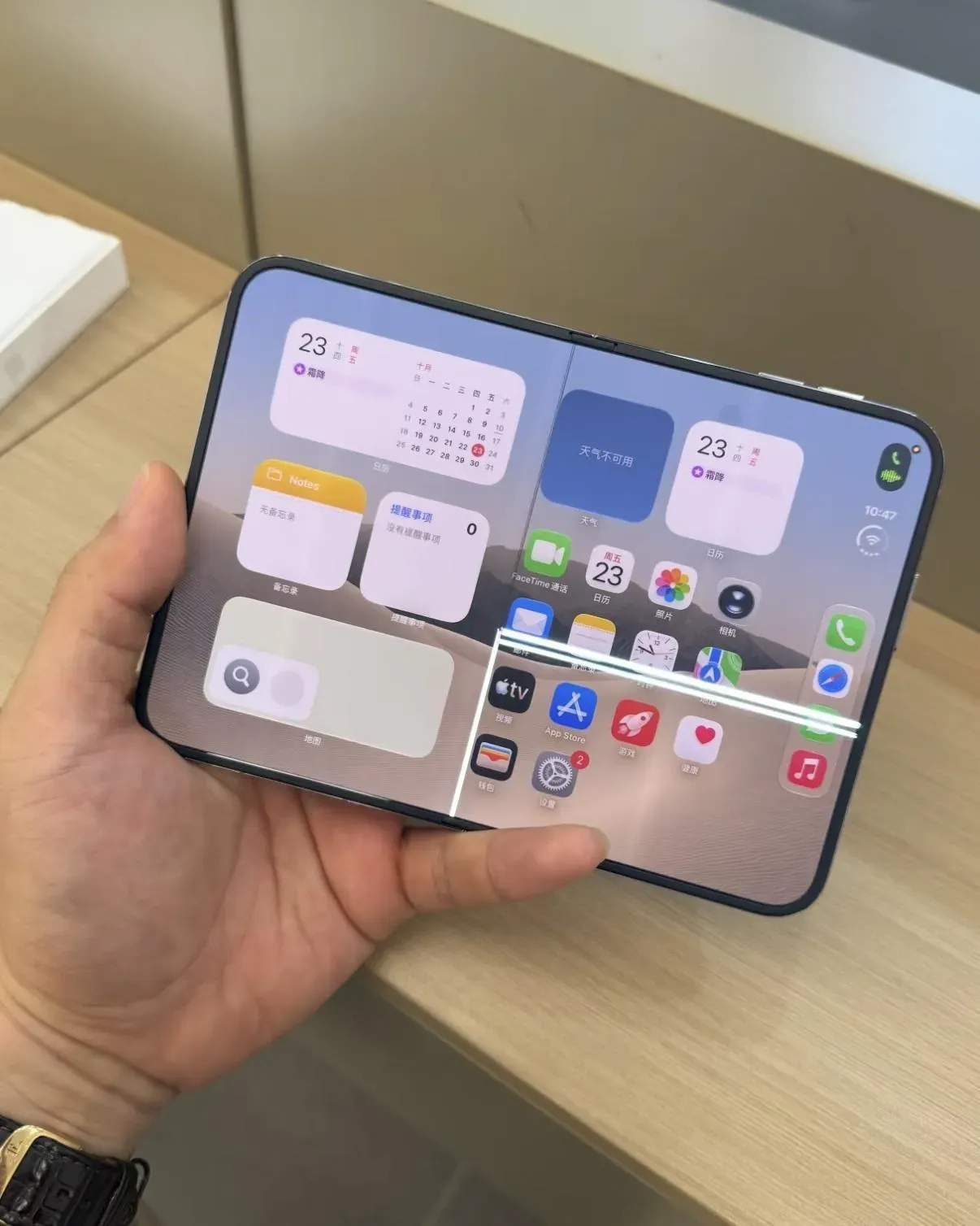
A YouTuber dissected the iPhone Duo and thinks he found crackgate's cause
CuriousHagi's teardown of Apple's foldable reveals a gear-like hinge that may explain why screens crack in the same spot within hours.

Google quietly links your phone number to every Android account on your SIM
Adding a SIM now ties your phone number to all Google accounts - and future accounts inherit it. Here's the security and privacy stakes.