
Curry Barker says Gen Z is “tired of slop” and “will show up” for good movies
The Obsession director argues theaters win back attention when stories feel original, not rushed or overproduced.
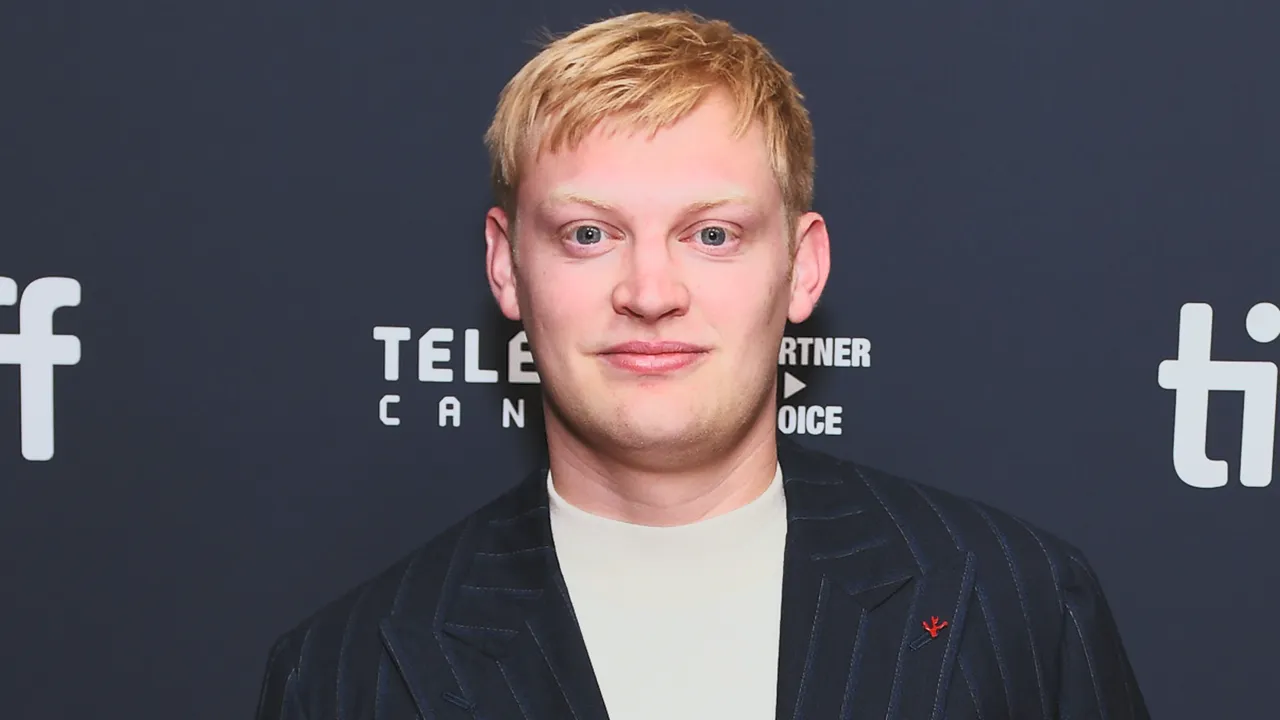
Obsession director Curry Barker says Gen Z will show up to theaters when movies deliver good stories, not “slop,” and he links that to the low-budget horror wave. For studio and fund leaders, his comments raise the stakes on how you package originality versus franchise dependence, and what audiences reward week after week.
Obsession director Curry Barker has learned one thing from the last month: “Gen Z will show up” to theaters if the films are good enough. He’s saying it while audiences head to the movies in droves to check out Backrooms and Obsession, and his takeaway is blunt about what Gen Z wants instead.
When asked about his takeaways on Happy, Sad, Confused, Barker frames the lesson as simple, and he ties it to a lived audience behavior: “The lesson is that Gen Z will show up to an original film.” He goes further, saying it is “not even about being original or not being original,” and that the real problem is feeling rushed or overly produced. That explanation matters because it is not really about IP branding at all. In his words, “I don’t think it’s about IP, necessarily.” What he is pointing at is hunger for “good stories,” plus characters and filmmaking that do not feel manufactured.
Barker, 26, is also living in the tightrope every emerging filmmaker faces: prove you can make an original hit, then prove you can survive Hollywood’s franchise gravity. Obsession has made waves as an original horror pic since its wide release in May, and that success puts him in a high-visibility position. The career tradeoff is explicit in the reporting: his future in Hollywood will see him trying to continue original storytelling while also diving into franchise filmmaking. That is why these comments are more than commentary. They are a pitch to the people who control greenlights, budgets, and marketing spend.
The audience behavior he describes is attached to a genre pattern that has been working in the background for a while: low-budget horror. IGN notes a wave of appreciation for low-budget horror as audiences look to check out Backrooms and Obsession. Barker’s argument is essentially that Gen Z is choosing quality signals, not leaning on prestige logos or known franchises. He even suggests studios misread what the audience is reacting to. During an interview with The Hollywood Reporter, he delivered the line that is now doing the rounds: “I wish they understood that we’re tired of slop.” The term is intentionally sharp. The substance is that studios should expect “good movies back,” plus a continued appetite for “movies that are original without some big IP, as long as the story is good.”
There is also a supply-and-demand implication here that executives can’t ignore: if an audience cohort tells you they are waiting for better craft, that can change what “risk” looks like on the capital side. Low-budget horror can be a different kind of financial bet than big franchise production, because it often trades on creative focus and speed rather than expensive universe-building. But the strategic point in the article is that Barker does not position the win as cheaper budgets alone. He positions it as responsiveness to storytelling quality, characters, and filmmaking that feels earned rather than overproduced. If studios anchor their bets only on recognizable IP, they risk missing the audience cue that he is describing: people still show up, but they are selective about what “good” means.
Barker is not staying purely in original-land, either. His next film is Anything But Ghosts, an original story starring Barker himself, Cooper Tomlinson (Obsession), Bryce Dallas Howard (Jurassic World), and Aaron Paul (Breaking Bad). Further down the road, he is connected to his Texas Chainsaw Massacre project with A24. Even without speculating on outcomes, the structure of his slate tells you something about how Hollywood wants to derisk. Pair an original creator-driven project with recognizable casting and brand gravity from larger properties, then keep a path to a major IP project. If Barker’s thesis is correct, the common thread must be quality and characters, not just brand familiarity.
Then there is the sequel question, which is where studio incentives get really interesting. Some viewers, regardless of age, are hoping a proper Obsession 2 is on the way. Barker says he has “a cool idea” for a follow-up, but he is “not in any rush to make it happen.” That line sounds casual, but executives should hear the subtext: the director wants to avoid turning momentum into a cash-grab treadmill. For boards and investors, sequel timing is one of the hardest calls because it mixes commercial logic (capitalize while interest is high) with creative risk (if you rush, you dilute the thing that worked). Barker’s comments suggest he believes the audience response is tied to story quality, not simply brand extension.
Finally, his framing is a reminder that audience cycles are not just about demographics. He is 26 and in the cohort he is describing, but he speaks as a maker watching reaction. From his point of view, moviegoers his age “want good stories with good characters, and even good filmmaking.” If that resonates, it gives executives a concrete north star: tighten the feedback loop between what audiences interpret as “good” and what gets packaged, produced, and promoted. In other words, do not just ask whether the market loves IP. Ask whether it rewards craft, and whether your slate is built to deliver it consistently enough that people show up again next weekend.
This story's Key Insights and Take-aways are locked.
Create a free account to unlock Executive Actions for one credit.
Register to UnlockAlways free for Executives Club members. Join the Club
More in Entertainment
Teach You a Lesson hits 68.7M hours watched, proving controversy still sells on Netflix
A polarizing K-drama turned Netflix’s international bet into a measurable viewership win, even before the debate cooled.
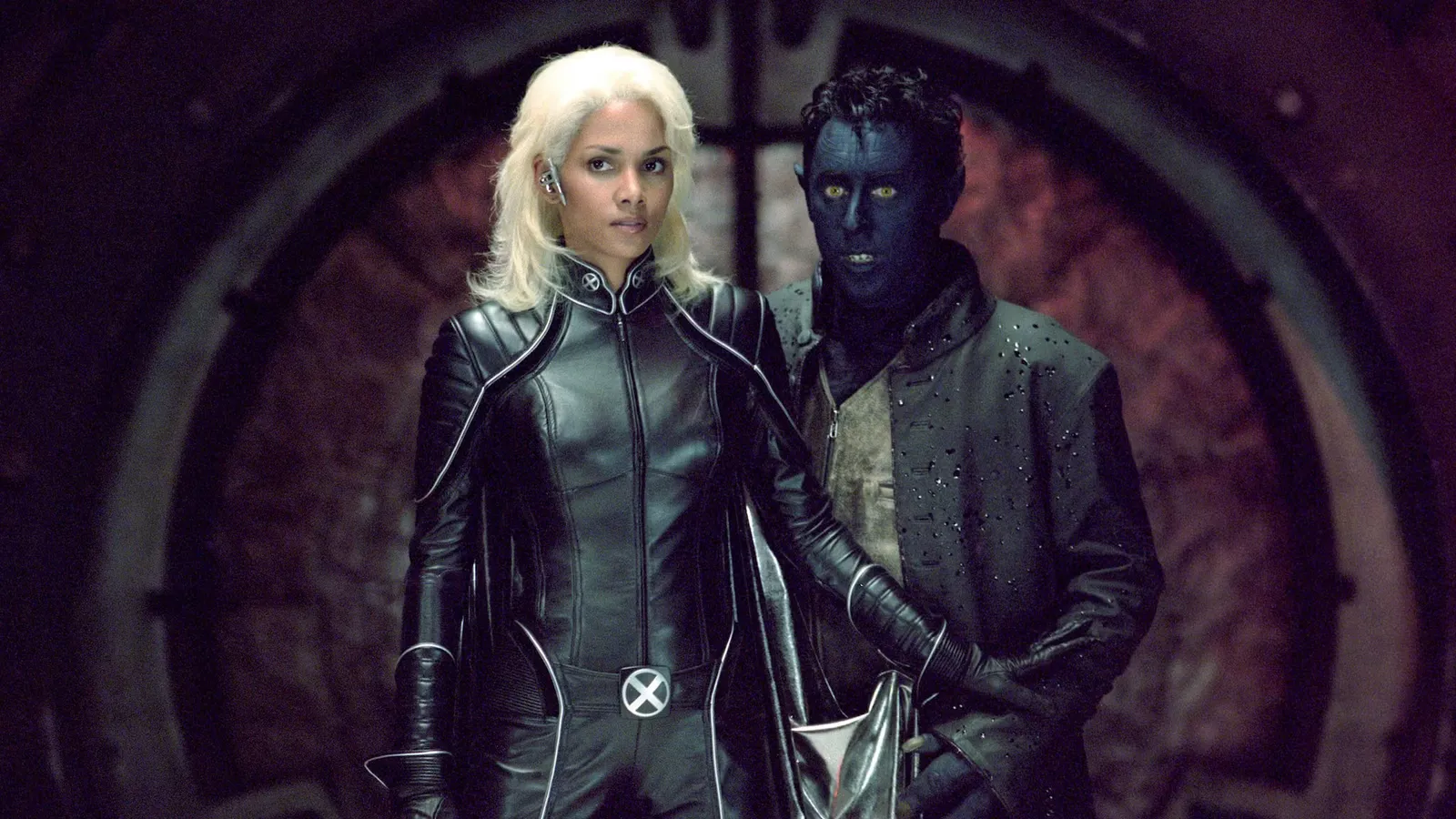
X-Men 2 editor John Ottman says a 10-year-old saved the 2003 cut
A producer-level decision on edits, not effects, and it came from an unexpected quality-control line.
HBO casts Peter Serafinowicz as Peeves, deepening Harry Potter's book-to-screen divergence
The TV series adds a beloved character the films skipped, raising stakes for how closely eight-season HBO will track the books.