

Data Center CEO: Why the skilled trades are the new AI gold rush
Amid a $1 trillion labor gap, industry leaders are betting on hands-on labor, but the work itself is changing.
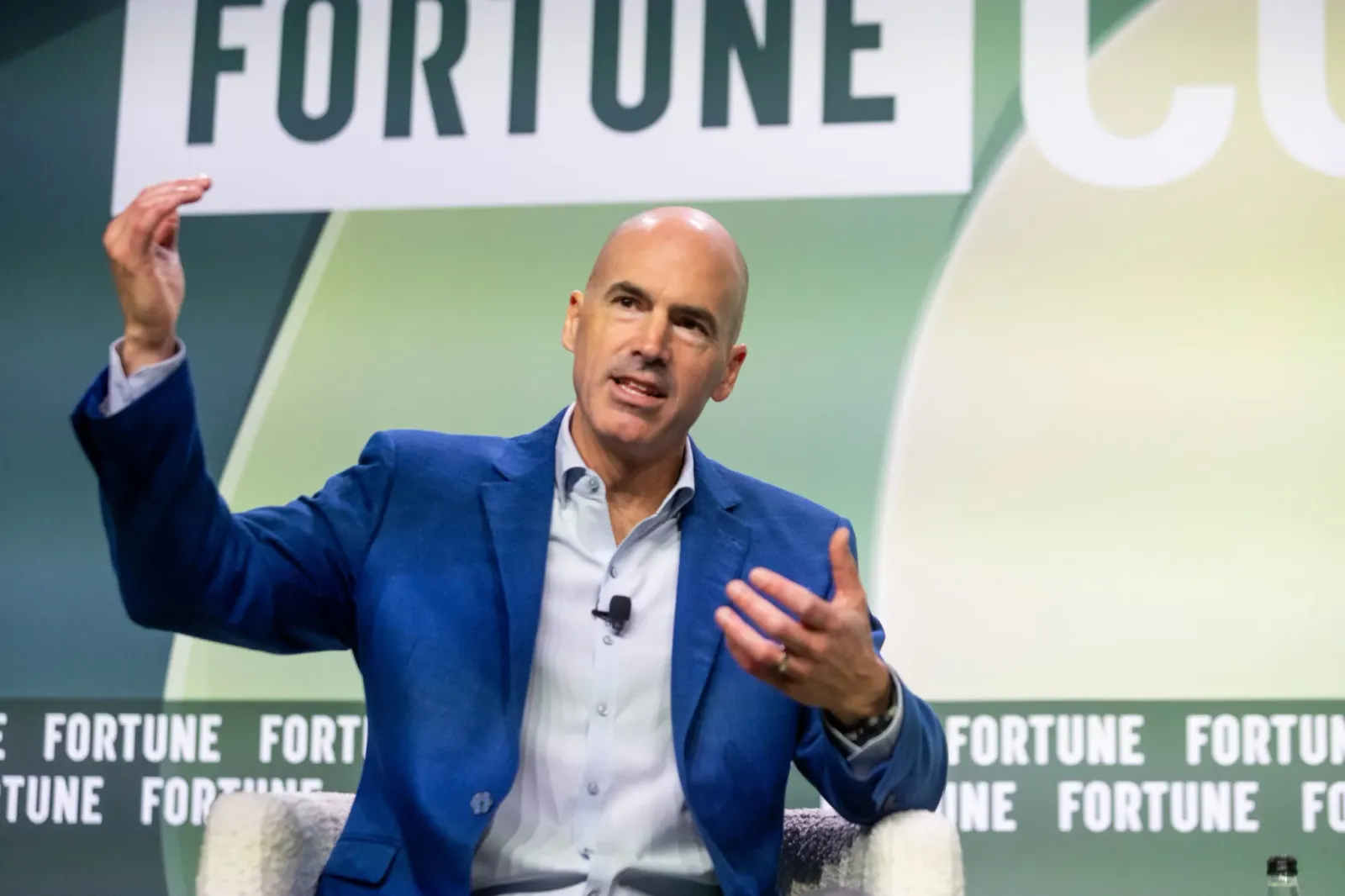
Dan Peyovich, CEO of Dycom Industries, highlighted that the massive buildout of AI infrastructure is accelerating demand for skilled, hands-on labor, despite a structural shortage of workers.
The AI boom is creating an unprecedented demand for physical infrastructure, forcing industry leaders to look past traditional white-collar hiring models and actively court Gen Z workers with unprecedented benefits. Dan Peyovich, President and CEO of Dycom Industries, stated that the surging need for everything from fiber networks to massive data centers has collided with a severe, structural shortage of skilled, hands-on workers.
This labor gap is not a temporary market blip; it is a confluence of factors, including a wave of data center construction, an aging workforce, and decades of educational pipelines that steered students toward four-year degrees. The stakes are enormous: the U.S. Department of Education estimates that by 2030, 2.1 million skilled trades jobs could go unfilled, potentially costing the economy $1 trillion annually. For companies like Dycom Industries, which builds critical telecommunications and utility infrastructure, this demand spike is a core growth driver, evidenced by the company's $1.95 billion acquisition of a data center electrical contractor in 2025.
For context, Peyovich himself speaks from experience, having started his career as a carpenter before moving into corporate leadership. Now, he is an advocate for rebuilding the skilled trades pipeline, recognizing that while AI is reshaping white-collar roles, hands-on work has emerged as a more stable and lucrative path for younger generations seeking job security. However, filling these roles is proving difficult. Peyovich noted that the labor pool is less prepared than previous generations, citing decades of underinvestment in manual careers and a decline in early exposure to physical work. He observed that attracting talent requires more than just a competitive salary; it demands a holistic approach to employee benefits and training.
To combat this shortage, Dycom Industries is taking aggressive steps, including plans to build a 49-acre immersive training campus in Georgia. Furthermore, the company is setting a new standard for attracting talent by automatically granting new hires two weeks of vacation on their first day-a benefit often accrued over time. This push for talent is mirrored by major industry players. BlackRock, the world’s largest asset manager, committed $100 million to skilled trade training programs aimed at reaching 50,000 workers over the next five years. Similarly, home improvement retailer Lowe’s pledged $250 million over the next decade to train 250,000 skilled trades workers. These massive capital commitments signal that the labor shortage is viewed not as a cyclical dip, but as a fundamental, long-term economic challenge.
Crucially, the narrative that skilled trades are immune to AI is beginning to unravel. During the Fortune conference, Ollie O’Donoghue, head of research at Cognizant, cautioned that while trades like plumbing will still require a physical wrench, the surrounding processes are increasingly vulnerable to AI-driven change. He explained that the value added by a plumber will change due to the massive integration of AI into manual work, particularly as we explore physical AI. Peyovich echoed this view, suggesting that AI's role will be to enhance, not replace, the worker, improving safety and efficiency. This means the future of the skilled trades worker will involve a blend of physical skill and digital fluency.
This shift has profound implications for how companies structure their workforce and how educational institutions frame career paths. The traditional model, which funnels students into four-year degrees, is failing to meet the immediate needs of the infrastructure buildout. Instead, the market is rewarding companies that can build internal training pipelines and offer immediate, tangible incentives. The strategic focus is moving from simply hiring workers to creating skilled workers, making internal training infrastructure a critical competitive advantage. For executives, this means viewing training campuses and apprenticeship programs not as HR overhead, but as essential capital investments in future revenue streams. The ability to rapidly upskill a workforce to handle AI-augmented tasks will determine market leadership in the next decade.
This story's Key Insights and Take-aways are locked.
Create a free account to unlock Executive Actions for one credit.
Register to UnlockAlways free for Executives Club members. Join the Club
More in Business

Anthropic’s Levant Alpöge cracks the Jacobian conjecture after 87 years
A Harvard valedictorian used Claude to hit a 1939 breakthrough, but the missing “why” is the real problem.

Uber buys Delivery Hero for nearly $15B, vaulting to top food delivery outside China
The deal doubles Uber's dual-services footprint and pushes a ride-and-eats bundling play into 50 more markets.

Epic and Google drop settlement bid, forcing rival Android app stores by July 22
Google told the court it is ready to carry third-party app stores starting Wednesday, July 22.