
Democrats' blue wave stalls in three states they can't afford to lose
With Congress on the line, Democratic candidates in Maine, Michigan, and Minnesota are hitting local headwinds that national momentum hasn't been able to fix.

Democratic candidates in Minnesota, Maine, and Michigan are facing local political headwinds that have kept them from opening clear daylight in the polls, despite party hopes for a blue wave. For decision-makers watching the midterms, the tight races signal that national momentum does not automatically translate into local wins, and the outcome could determine control of Congress.
The blue wave Democrats hoped for has hit a wall, and it is not where they expected it. In Minnesota, Maine, and Michigan, Democratic candidates are facing local political headwinds and have struggled to open up clear daylight in the polls, according to the New York Times. The party's national narrative of momentum has not translated into the kind of separation that wins races comfortably, and with Election Day approaching, the clock is ticking.
These are not peripheral races. Maine, Michigan, and Minnesota are states where Democrats have invested heavily and where the party's path to power in Washington runs through the local ballot. If the blue wave cannot lift candidates in states Democrats view as favorable terrain, the broader midterm math gets much harder. Control of Congress, and with it the ability to advance or block a legislative agenda, may hinge on exactly the kind of races that are now too close to call.
For context, midterm elections have historically punished the party that holds the White House. The president's party has lost seats in nearly every midterm cycle of the modern era, and Democrats entered this cycle hoping that a wave of national sentiment would carry their candidates across the finish line. But waves do not move uniformly. They break differently in different districts, and local dynamics can blunt even the strongest national tailwind. That is the dynamic playing out in these three states, where the hoped-for surge has instead become a slog.
The source does not specify the exact causes of the headwinds in these three states, but local races are typically shaped by a mix of candidate quality, regional issues, and the particular political character of each state. What works in one district can fall flat in another, and national messaging often has less resonance than the issues voters feel in their own communities. That gap between the national story and the local one is precisely where races get tight, and it is why a party can feel a wave nationally while individual candidates still swim against the current.
The stakes extend beyond the candidates themselves. For party strategists and donors, a failure to open daylight in these states means resources get stretched thinner across a wider map. Every dollar spent shoring up a close race is a dollar not spent expanding the playing field elsewhere. For business leaders and executives watching from the sidelines, the outcome determines which party controls the committees, the agenda, and the legislative priorities that will shape the next two years of policy. Tariffs, taxes, regulation, and spending all flow through the majority, which makes these local races a direct line to national outcomes.
There is also a second-order signal in these numbers. If Democrats cannot convert a favorable national environment into clear leads in states they consider friendly, it suggests the party's midterm strategy is not translating at the local level. That is a problem that does not end on Election Day. It shapes the post-election analysis, the fight over the party's direction, and the positioning for the next cycle. For a party that entered the season expecting a wave, a series of tight races in friendly territory would force a hard look at assumptions about what voters actually want and how campaigns should speak to them.
For peers in similar roles, the lesson is straightforward: national momentum is a currency that does not always spend locally. Campaigns that rely on tailwinds without building local insulation are exposed when the wind shifts. The candidates who open daylight are the ones who have built a local case that survives contact with the national narrative. That applies beyond politics as well. Executives launching products, founders entering new markets, and investors backing expansion plans all face the same dynamic: a favorable macro environment does not guarantee local success.
The polls can still move, and tight races have a way of breaking late. But the pattern across three states at once is harder to dismiss as noise. The blue wave has not arrived in Maine, Michigan, and Minnesota, and the question now is whether Democrats can close the gap before the polls close. For anyone watching the midterms as a signal of what comes next, these three states are the tell.
This story's Key Insights and Take-aways are locked.
Create a free account to unlock Executive Actions for one credit.
Register to UnlockAlways free for Executives Club members. Join the Club
More in Politics
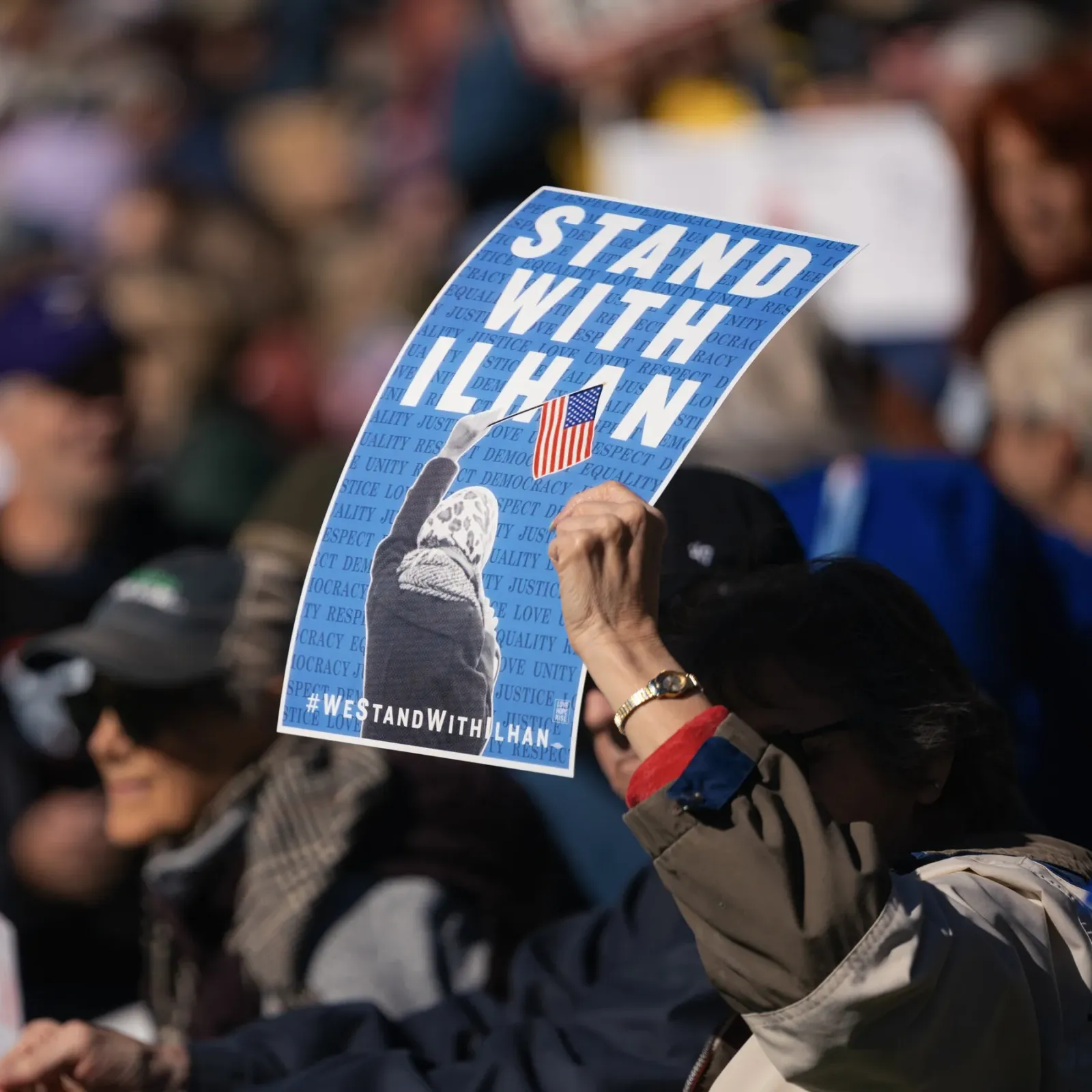
Obama Defends Ilhan Omar After Agents Search Her Home in Trump Inquiry
The former president's intervention raises the stakes in a federal probe into immigration paperwork that has put a prominent progressive lawmaker in the crosshairs.

Blair-era minister: cut welfare to fund youth job support
Alan Milburn's call for welfare cuts to fund employment support opens a Labour fight over benefits and the Neet crisis.
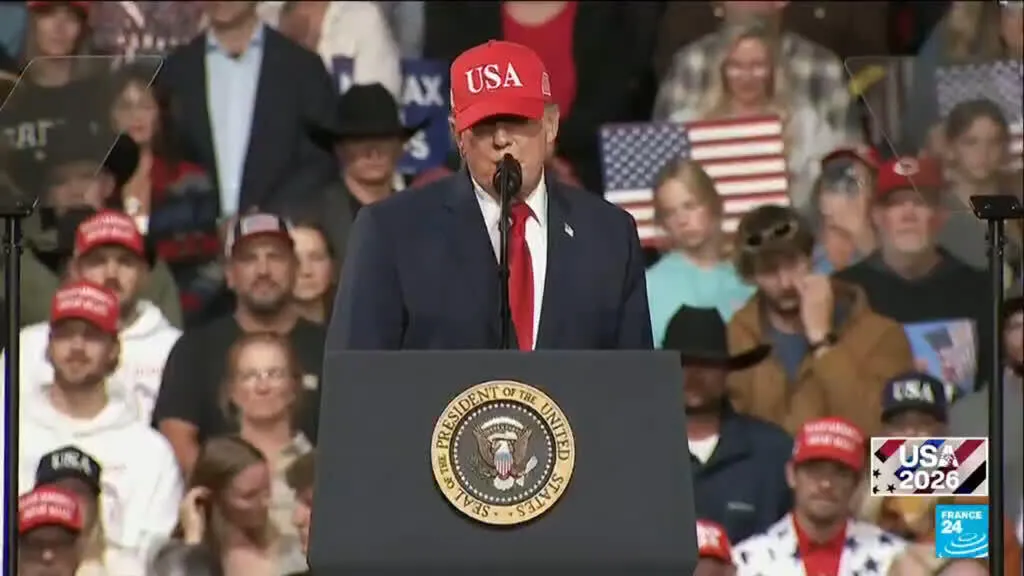
Hot September CPI: energy costs surge, voters feel the squeeze before midterms
The latest inflation print lands as Trump campaigns for GOP control of Congress, putting cost-of-living worries at the center of the midterm fight.