
Depleted oil reserves make today’s spikes more likely than Trump thinks
Price shocks are becoming easier to trigger, because the market has less buffer and different conditions than past cycles.
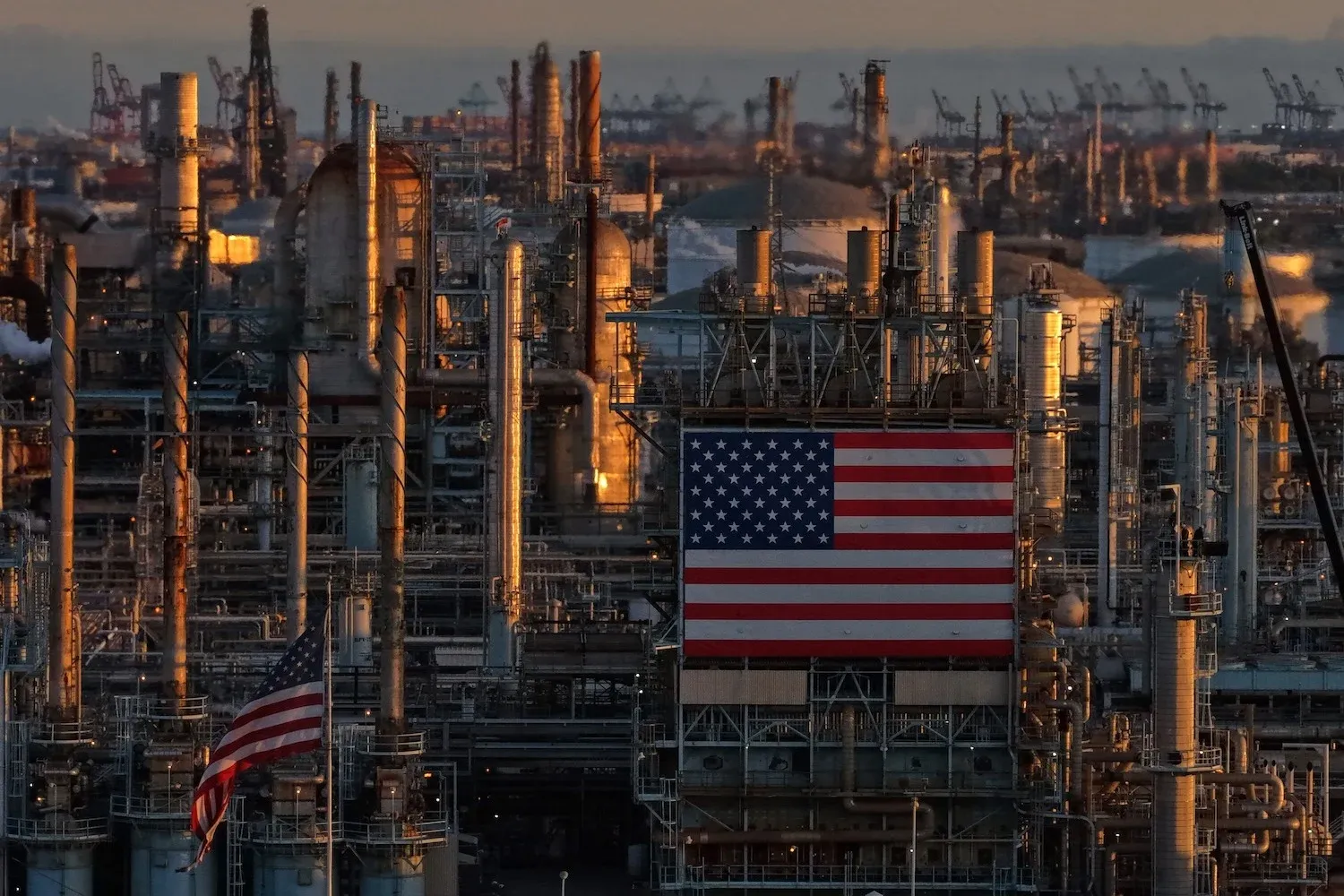
Foreign Policy reports that depleted reserves and changed circumstances are leaving the oil market more vulnerable to price spikes. For executives and board members, that increases the odds of sudden cost shocks and complicates hedging, budgeting, and supply planning.
The oil market is more vulnerable than the prevailing political narrative suggests. Foreign Policy’s point is blunt: depleted reserves, combined with changed circumstances, make price spikes more likely “this time around.” In other words, the cushion that once absorbed shocks looks thinner than it used to be.
For decision-makers, this matters because price spikes do not arrive politely. When reserves run low and conditions shift, the same kind of disruption that used to fade can escalate faster, turning a manageable move into a bigger, more abrupt shock. Foreign Policy is essentially arguing that the market’s stress tolerance has fallen, which means volatility risk is not just possible, it is structurally more likely given the current setup.
To understand why “depleted reserves” changes the game, think of the oil system like a supply chain with a spring inside it. When inventory and spare capacity are healthier, supply hiccups create smaller price reactions because the market can lean on those buffers. When reserves are depleted, the spring is already compressed. Any additional pressure from demand surges, supply disruptions, logistical bottlenecks, or regulatory friction has less room to be absorbed. The result is a market that can move from stable to spiky with less warning.
Foreign Policy also emphasizes “changed circumstances,” which is the second half of the vulnerability story. Even if the world faces similar types of disruptions over time, what matters is the context around those disruptions. Market participants, logistics routes, and policy expectations can all shift between cycles. That means a disturbance that previously produced a temporary blip may now land in a different environment where the price response is larger, faster, and harder to contain. The second-order effect for executives is that your historical playbook may not map cleanly to current risk.
There is a regulatory and incentive layer here too, because oil markets are never only about physical barrels. Rules and constraints can tighten the effective supply chain, even when global production exists on paper. Compliance requirements, export/import constraints, sanctions enforcement patterns, and inventory reporting dynamics can influence how quickly barrels move and how much actual liquidity the market has at different price levels. When policy and enforcement expectations change, that can alter how quickly reserves get drawn down, and how quickly buyers rush to secure supply when prices start to move.
For corporate boards, budgeting committees, and treasury teams, the practical consequence is that volatility risk is no longer just a market-trading issue. It becomes a balance sheet and operating margin issue. Sudden price spikes can squeeze cash flow through higher input costs, raise the cost of keeping inventories, and change the economics of contracts and pass-through pricing. If “price spikes are more likely,” then the relevant question is less whether a spike occurs and more how quickly it could show up, and whether your mitigation plan assumes the market still has more buffering than it does.
This is also why the political framing matters. Foreign Policy frames the vulnerability as being “more than Trump believes.” Even if you are not tracking presidential messaging, the underlying point is that expectations about market resilience can influence decisions across the economy. If key actors underestimate vulnerability, they may under-hedge, under-plan for downside scenarios, or assume pricing will mean revert quickly. If the market is instead primed for spikes due to depleted reserves and changed circumstances, those assumptions can be costly.
The strategic stakes for peers with exposure to energy inputs or energy-linked demand are clear. When reserves are depleted and conditions are different, the path from disruption to spike can be shorter. Boards should treat this as a risk management trigger: stress-test financials against faster, sharper price moves, revisit procurement and inventory policies, and ensure hedging approaches reflect the market’s current, not last cycle, capacity to absorb shocks. The oil market may not be about politics, but the way volatility can surface quickly is very real for corporate planning.
This story's Key Insights and Take-aways are locked.
Create a free account to unlock Executive Actions for one credit.
Register to UnlockAlways free for Executives Club members. Join the Club
More in Politics

Gary Peters calls Pete Hegseth a "failure" over Iran war, before near-$70B funding request
In an appropriations hearing, the Michigan Democrat says Hegseth lacks leadership, while Congress weighs almost $70 billion more.

Trump says US is 'not finished' attacking Iran as Gulf strikes and Saudi port threats rise
Escalation deepens on multiple fronts, while US strikes and mediator diplomacy keep the conflict from going quiet.
Trump’s election-interference claims collide with his China policy, and markets may care
Foreign Policy argues the rhetoric on China meddling doesn’t align with the president’s actual China approach.